Get all your news in one place.
100’s of premium titles.
One app.
Start reading
Tom’s Guide
Tom’s Guide
Technology
Jason England

Xreal is suing Viture for ‘freeriding on technological breakthroughs’ — how does this huge patent infringement lawsuit impact you and the AR glasses you should buy?

Xreal vs Viture.

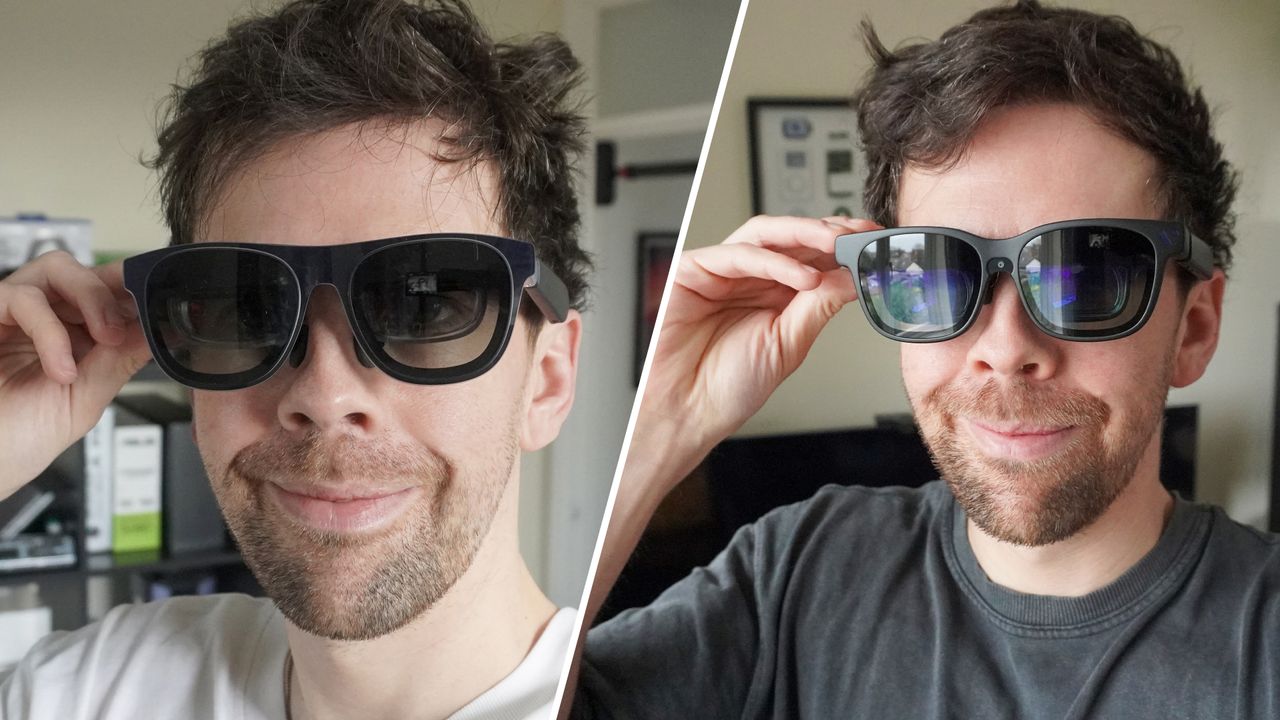
When it comes to AR glasses, two companies have been duking it out at the top: Xreal vs Viture. On a regular basis, I’m hopping back in and changing what tops the list of best smart glasses with the latest models, but things have just turned serious.

That’s because Xreal has just filed a U.S. patent infringement lawsuit against Viture — claiming that “rather than investing in original development, Viture unlawfully incorporated Xreal’s patented inventions into its AR glasses products, freeriding on Xreal’s technological breakthroughs.”
This is a sticky situation, so let me take you through what this case is about, whether there is a case, and how it should impact what you buy.

What is Xreal suing Viture for?

(Image credit: Future)

Specifically, Xreal’s complaint accuses Viture of infringing U.S. Patent No. 11,988,839. This is related to the core augmented reality apparatus and optical system developed by Xreal — targeting the Viture Pro, Luma Pro, Luma Ultra and “other similar products.”

Think of this patent as a blueprint for the engine inside AR glasses — the exact physical layout and math used to bounce light from a tiny screen into your eye without making the glasses look like a massive helmet.

(Image credit: US Patent office)

This includes a curved prism and lens sandwich that allows the light to bounce in a very tight space, which allows for an anti-ghosting layer (reduces blur) and a particular angle of bouncing that picture off a curved mirror for a high field of view.

But in Xreal’s own words, this isn’t just about one patent. “Viture unlawfully incorporated Xreal’s patented inventions into its AR glasses products, freeriding on Xreal’s technological breakthroughs,” an Xreal spokesperson commented.

“IP lawsuits are common in technology to protect investments in innovation, especially in growing markets that attract new entrants,” Avi Greengart, President and Lead Analyst at Techsponential commented. “Xreal has been investing in XR for years and continues to use the technology it patented in products like the Xreal 1S launched just last week at CES.”

Does Xreal have a case?

(Image credit: Future)

Without giving an opinion one way or the other, there is precedent here. Back on November 13, 2025, the Munich Regional Court in Germany placed a preliminary injunction on Viture for the same patent content (with a different patent number) — effectively prohibiting the company from importing or marketing the Viture Pros in Germany.

“What is interesting is that the Germany lawsuit is for the same IP with a different patent number, so if the German courts have allowed for a temporary preliminary injunction, there is likely something there,” Anshel Sag, VP and Principal Analyst at Moor Insights & Strategy commented.

So it’s the classic case of if it worked before, it’ll work again. But we’re talking about two separate cases from two different courts in two different countries. There is a larger issue at hand, though.

“While it is unclear what the outcome in the U.S. will be, there's a big chance it could impede Viture's ability to partner with companies and release future products,” Sag continued.

In response to the Germany lawsuit, Viture told Android Central that the claim is “entirely unfounded” — citing that “the opposing party is attempting to exploit a procedural timing gap, and we have also filed an appeal in relation to the preliminary injunction.”

(Image credit: IDC)

Viture also shared IDC company share data in the AR glasses space with Android Central, which identifies a large market share for them.

What happens to Viture now?

(Image credit: Future)

“The biggest impact on consumers is that they might not be able to buy certain Viture products in the U.S. if this lawsuit moves forward, and they might want to more carefully consider their purchasing decisions,” Sag summarized.

However, this will probably not have an immediate impact. “In terms of what this means for Viture's products in the U.S., only some of them are impacted by this patent, and it usually takes months before a case is heard, let alone ruled on,” Greengart added.

There’s a lot to get through between now and a case, so in my opinion, it’s still okay to buy Viture’s AR glasses (including the Viture Beast I'm testing now). However, it’s worth paying close attention to this, just like I will be, to see whether anything changes.

Follow Tom's Guide on Google News and add us as a preferred source to get our up-to-date news, analysis, and reviews in your feeds.

More from Tom's Guide

Sign up to read this article
Read news from 100’s of titles, curated specifically for you.
Already a member? Sign in here
Related Stories
Top stories on inkl right now
One subscription that gives you access to news from hundreds of sites
Already a member? Sign in here
Our Picks
Fourteen days free
Download the app
One app. One membership.
100+ trusted global sources.