During winter, with the late sunrises and early sunsets, I barely get outside during the day. I work from home, which means I’m not commuting to an office every morning.
And even though I’d like to spend the first 15 minutes of my day sipping coffee in the garden, it would be in vain, because it remains dark until well past the time I start work.

Recently, I realised that I probably go two to three days without natural daylight on my skin. Shocking, I know. But with long working hours and dark evenings, what can I do?
Turns out this does more harm than make you feel a little blue. It can actually ruin your sleep. Here’s why and how to get better sleep when you work from home.
Why working from home can wreck your sleep
If you work from home but make sure your lunch hour is spent in the great outdoors, then you've probably got nothing to worry about. Well done.
But we’re not all like you.
I often have the greatest intentions of having a stroll during my lunch break, but when the time comes and the outside world is cold and wet, I end up hunkering down on my sofa and eating some good food.
And this is the problem. Without regular, natural daylight, our circadian rhythm — otherwise known as our body clock — can stop functioning as it should.

The science behind daylight and sleep
This is because it’s regulated by hormones like melatonin and cortisol. Melatonin makes us feel sleepy while cortisol wakes us up.
Daylight naturally suppresses melatonin, helping us wake up and feel energized in the morning. Without this, you’ll feel groggy which in scientific terms is referred to as sleep inertia.
“If in the morning, you’re not going outside and you’re getting lots of darkness, it could be that some of the grogginess you’re feeling... is partly because you haven’t suppressed that melatonin,” Dr. Lindsay Browning, psychologist and neuroscientist, says.

While this usually wears off about 30 minutes after waking, you might feel tired throughout the day if you’re not getting daylight.
Another reason for this is low vitamin D levels. Without enough vitamin D it’s common to feel lethargic and tired, and our main source of this essential vitamin is natural sunlight. This can lead to seasonal affective disorder.
“Seasonal affective disorder is the winter blues, where people feel more sluggish and they feel down and they don’t have as much energy because they aren’t getting as much bright light exposure,” the founder of Trouble Sleeping explains.
3 sleep tips for remote workers
So, if you’re working from home and struggling to sleep, here are a few words of advice.
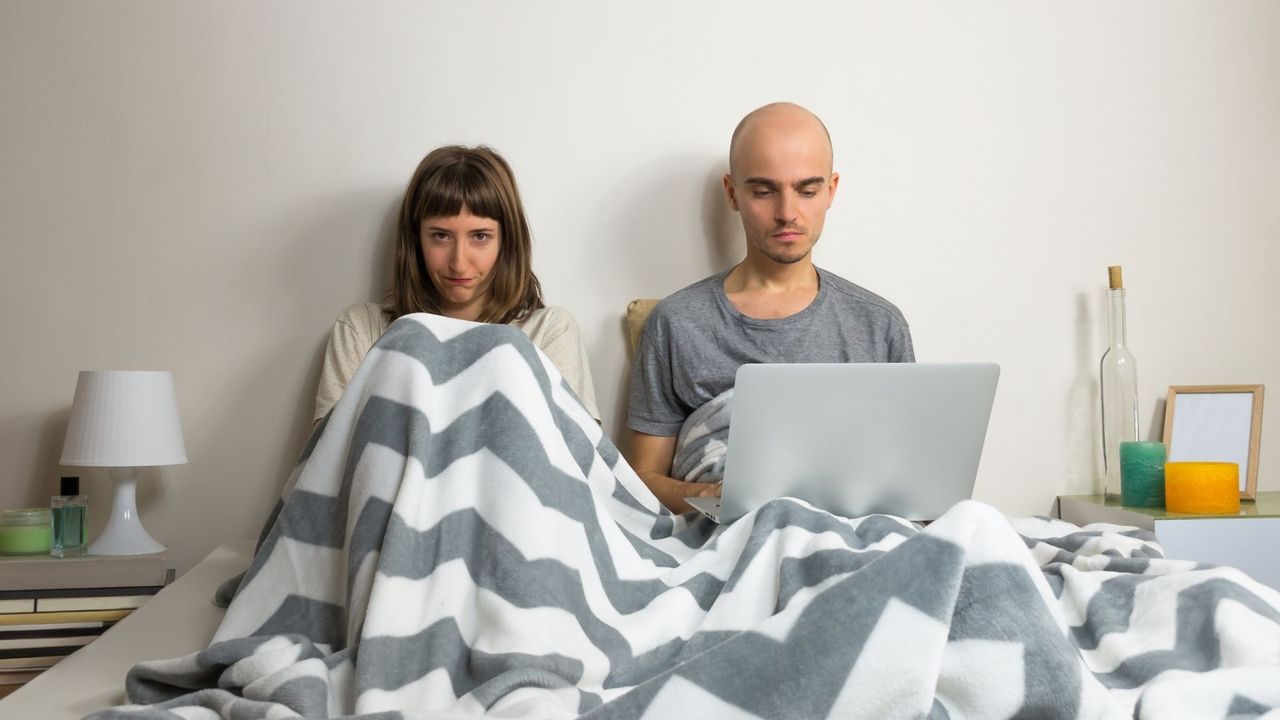
Never work from bed
Sleep hygiene rule number 1: Use your bedroom only for sleep. This helps build a strong association between going to bed and falling asleep.
Now, this isn’t always possible for us work-from-home crew, and I know many of my colleagues have desks set up in their bedroom.
So, if you can’t avoid working in your bedroom, at least avoid working from your bed. You don’t want to associate that sacred space with work stress and to-do lists — it’ll only make falling asleep more difficult.

Step outside every morning
Dr Lindsay Browning told me that even if it’s grey and miserable outside, it’s still valuable to step outside and let the natural light hit your skin.
Since she’s told me this, I’ve made it my mission to spend just 10 minutes in my garden in the morning, no matter the weather.
I’ve found it’s already helped boost my energy levels and mood throughout the day and the fresh air helps to wake me up. Plus, a little mindful break from work looking at the birds instead of a screen is doing wonders.
This is key for regulating your circadian rhythm, and means when it becomes dark in the evening you’ll feel naturally sleepy and drift off quickly at bedtime.

Try a sunrise alarm clock and SAD lamp
The best sunrise alarm clocks wake you up gradually in the morning with a glowing light designed to simulate sunlight.
While they won’t necessarily suppress your melatonin (as they’re not bright enough) they are excellent at helping you wake up in the morning, shifting you from deep sleep to light sleep so you wake up without any inertia. “I’d recommend them to everyone,” Dr. Browning says.
The next best thing to stepping outside is using a SAD lamp. These are used to battle seasonal affective disorder and deliver 10,000 lux of light — enough for our bodies to think we’re sat in the sun.
For me, it’s an instant energy and mood booster, telling my body that the daytime is when we should be awake and nighttime is when we should sleep.