Victorians won't get a legal right to work from home until after heading to the polls but the premier insists he isn't getting cold feet on the contentious move.
The Australian-first laws' start date has been pushed back from September 1 to July 1, 2027 as Premier Ben Carroll tries to "reset" the government's frayed relationship with the business community.

Hitting the pause button on Tuesday, Mr Carroll said "sensible amendments" would be made to ensure the state could thrive and be "open for business".
"My door will always be open to the business community," he told reporters.
"That is why I've delayed these changes, and it's why I'm going to continue to work with the business community on making sure this policy is right."
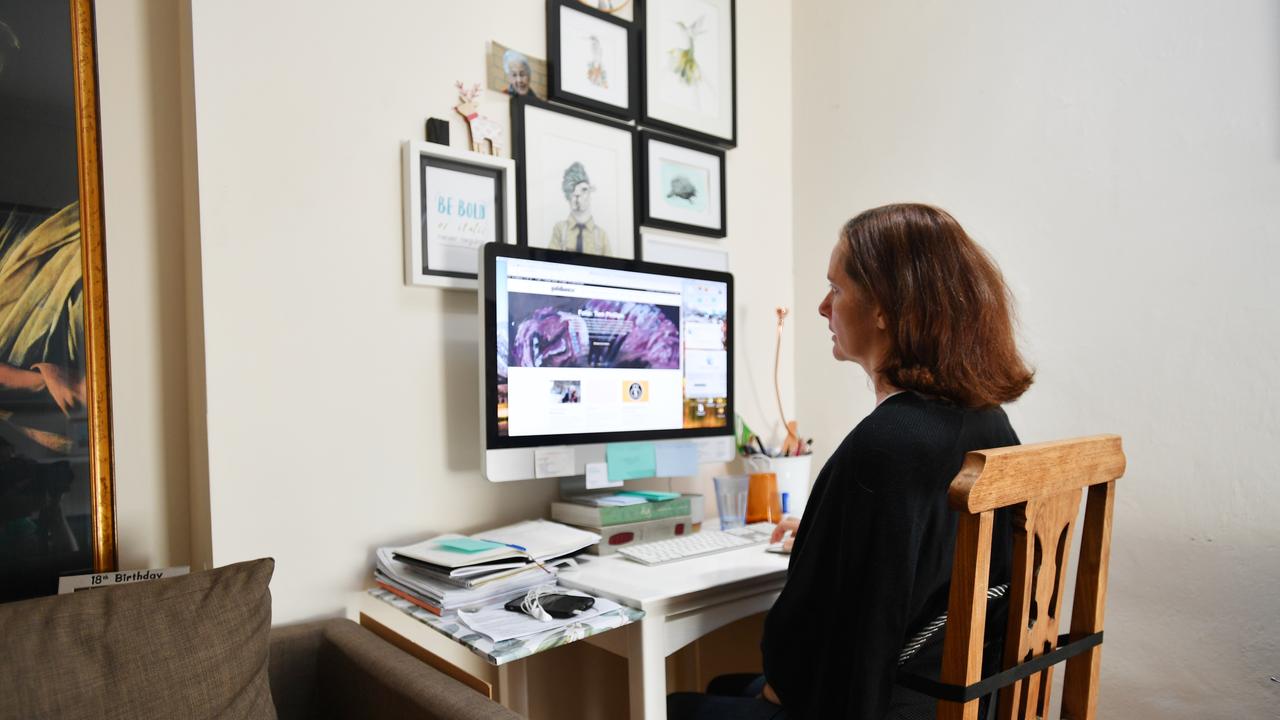
Full-time, part-time and casual employees will get the right to work from home two days a week on a pro-rata basis if reasonably able to under the legislation.
A grace period was already in place until July 1 for businesses with fewer than 15 employees.
Debate on the bill, which has already passed the lower house and was expected to pass the upper house within days, has also been delayed.
The bill would still be passed before the November state election, the premier said.
After Thursday, two sitting weeks remain before the Victorian parliament is dissolved and the government enters caretaker mode.
Mr Carroll said he had communicated the start date change to Victorian Chamber of Commerce and Industry chief executive Sally Curtain and Australian Industry Group's Victoria head Tim Piper.
Ms Curtain welcomed the reprieve but called for Labor to go further.
"We maintain that this legislation as it's drafted is a risk to our economy and therefore we look forward to further discussion," she said.
Other business leaders seized on the delay to urge Mr Carroll, who replaced Jacinta Allan as premier in late July, to abandon the legislation entirely.
"This gives us an opportunity to talk to the premier about meaningful changes to the legislation," Property Council of Australia's Victorian executive director Cath Evans said.
"It is unnecessary for Victoria to have this legislation."
Among the more contentious elements of the legislation is a requirement for employers to pay any reasonable costs to allow an eligible employee to work remotely.
Employers must respond to a work-from-home notice within 21 days and propose alternative arrangements if they knock back a request.
The coalition did not oppose the bill in the Labor-controlled lower house and plans to introduce amendments when it is debated in the upper house.
Shadow attorney-general James Newbury labelled the Labor government "vandals", accusing it of creating instability for businesses and workers.
"This government can't be trusted," he said.
"Ben Carroll has had four positions on working-from-home in the past two weeks."
But Treasurer Colin Brooks defended the delay, saying it was important to get the legislation right.
"We are looking for common-sense amendments that don't impact the essence of the bill, but also take into account some of the issues raised by the business community," he said.
The right to work from home is being legislated through Victoria's Equal Opportunity Act in a bid to withstand a potential High Court challenge.
Section 109 of the Australian Constitution dictates that if a state law conflicts with a Commonwealth law, the latter prevails.