
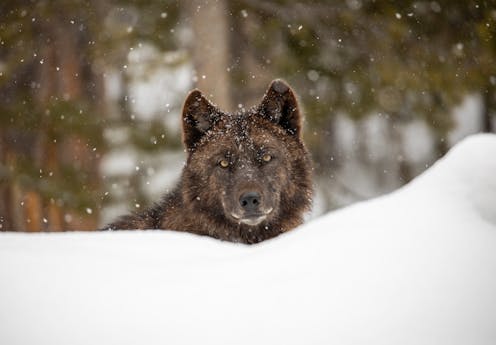
From sports to pop culture, there are few themes more appealing than a good comeback. They happen in nature, too. Even with the Earth losing species at a historic rate, some animals have defied the trend toward extinction and started refilling their old ecological niches.
I’m a philosopher based in Montana and specialize in environmental ethics. For my new book, “Tenacious Beasts: Wildlife Recoveries That Change How We Think About Animals,” I spent three years looking at wildlife comebacks across North America and Europe and considering the lessons they offer. In every case, whether the returnee is a bison, humpback whale, beaver, salmon, sea otter or wolf, the recovery has created an opportunity for humans to profoundly rethink how we live with these animals.














