Get all your news in one place.
100’s of premium titles.
One app.
Start reading
The Times of India
The Times of India
Lifestyle
TIMESOFINDIA.COM

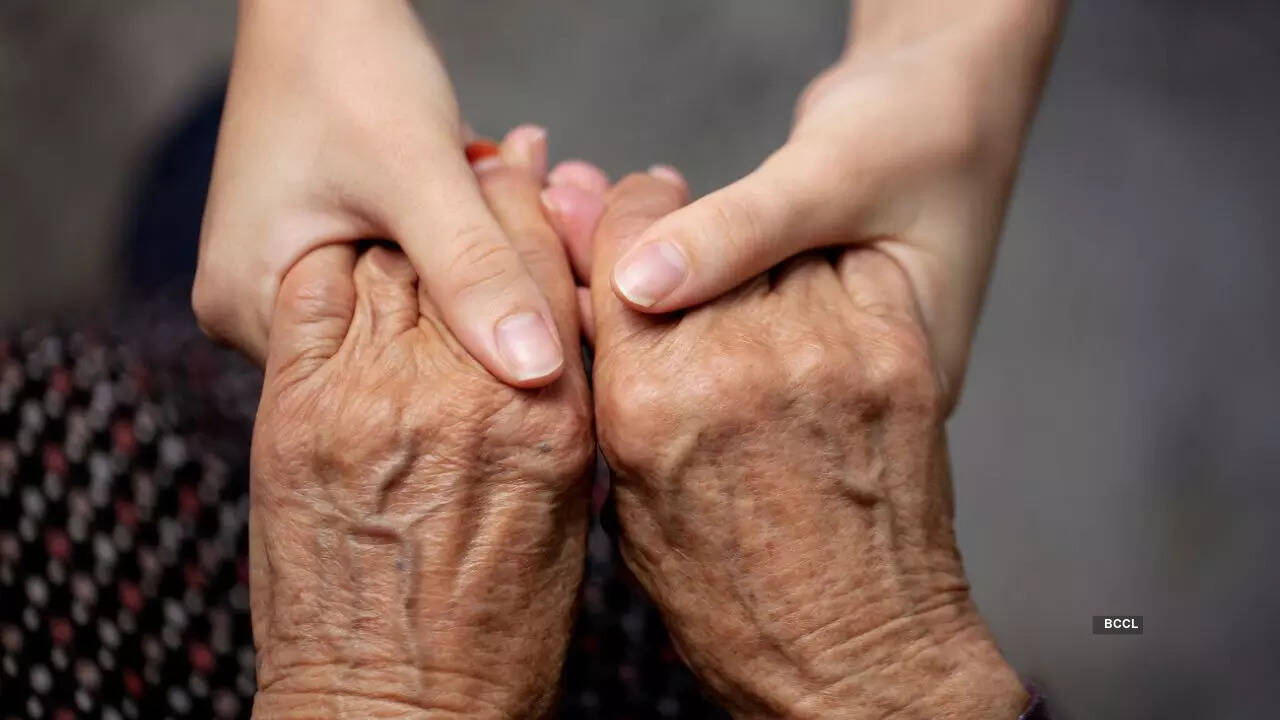
Winter season: Tips for elderly care

Winter can be harsh on the elderly, often with weakened immune systems, leaving them susceptible to infections. Additionally, weather changes pose challenges as the body struggles to maintain normal temperature, potentially leading to hypothermia. This condition can constrict blood vessels, hindering oxygen flow and resulting in serious conditions such as heart attacks, liver damage, and strokes. Respiratory issues and worsened asthma symptoms are common in winter, and the dry air can lead to skin dryness and dehydration, raising the chances of fungal infections. Elderly people tend to stay indoors during cold weather, exacerbating mobility issues and joint pain, particularly for those with conditions like arthritis. Caregivers should take utmost care of elderly people during the colder months.

Vital tips for elderly people and those caring for them to stay protected during winter:

1. Stay active: It's crucial to remain active even indoors, as being sedentary can reduce usual physical activity. Engaging in indoor physical activities, such as simple exercises against the wall or repeated rising from a chair, can help eliminate toxins, maintain healthy skin, boost blood circulation, and oxygen flow, preventing winter-related depression.

2. Try to stay warm: To regulate body temperature, it's essential to be indoors and stay warm. Don't hesitate to use a monkey cap and wear cozy clothing to prevent hypothermia. Drinking warm water also helps.

3. Hydration is key: Keep yourself cozy and well-hydrated, as people tend to drink less water in winter, leading to dehydration. Consume plenty of fluids throughout the day to prevent dehydration.

4. Eat a well-balanced diet: A well-rounded diet is crucial in winter for preventing colds and associated issues. Provide the elderly and children with a balanced diet rich in fruits and vegetables packed with essential vitamins. Limit consumption of processed or fast food and take smaller meals. Stock up on necessary medicines for elderly citizens, and exposure to morning sunlight helps ensure optimum levels of vitamin D for healthy bones and joints. Increase vitamin D intake through diet and take supplements only after consulting a doctor.

5. Use a humidifier at home: In winter, the skin tends to become thinner, so it's important to dress in light layers. Using a humidifier at home is effective for maintaining moist air and breathing in clean air, preventing skin from drying out and developing redness.

6. Adhere to infection prevention tips: If senior citizens need to venture out, caregivers should ensure they wear a mask to avoid air pollution that can lead to respiratory issues. Getting vaccinated against flu and pneumonia helps prevent cold weather-related illnesses in those above 65.

7. Maintain a healthy nasal passage: Winter causes increased nose-picking, resulting in bleeding and potential infections. Ensure the nasal tract remains warm and moist through proper covering and steam inhalation. Use nasal drops if the nose becomes blocked at night but only after consulting a doctor. Keep the respiratory tract clean, and practice deep breathing exercises for respiratory health.

8. Regular check-ups and follow-ups with the doctor: It's essential for elderly people to regularly check blood pressure, blood sugar levels, and lipid profiles after consulting a doctor. Don't skip any medication or self-medicate, as doing so can worsen health.

Authored by: Dr. M L Kalra, Senior Consultant- Internal Medicine, Specialist in Geriatrics, Apollo Spectra Delhi.

Sign up to read this article
Read news from 100’s of titles, curated specifically for you.
Already a member? Sign in here
Related Stories
Top stories on inkl right now
One subscription that gives you access to news from hundreds of sites
Already a member? Sign in here
Our Picks
Fourteen days free
Download the app
One app. One membership.
100+ trusted global sources.