
On October 5, 2026, it'll be exactly 6 years since Microsoft shipped Windows 11 to broad availability. However, the operating system has struggled (to say the least) to garner user interest and adoption.
The struggle continues, despite ending support for Windows 10 on October 14, 2025, and leaving little choice. The move was unpopular among many users and organizations, prompting them petition Microsoft to reconsider its decision as it could lead to the single biggest jump in junked computers.

While the company was seemingly tone deaf to the pleas, you can still enroll in Microsoft's Extended Security Updates (ESU) program to continue receiving security updates for an extra year beyond the cutoff date by syncing your PC settings to the cloud via a Microsoft account or paying $30 or 1,000 Microsoft reward points.

However, Microsoft backtracked on the move, at least for users in the European Economic Area, allowing them to access the ESU program for free without necessarily meeting the requirements highlighted above.
Microsoft's decision to move forward with its plans to kill support for Windows 10 was branded as programmed obsolescence, designed to force millions of working PCs into early retirement.
Over the years, users have expressed their reluctance to upgrade their devices to Windows 11 due to several reasons, including Microsoft's strict hardware requirements, the operating system's flawed design elements, and, more recently, the company's obsession with integrating AI into software.
Last year, the software giant revealed its plans to evolve Windows into an agentic AI OS. The company further explained that the operating system would ship with sophisticated agentic capabilities that allow users to take control of their PCs and even complete tasks for them. However, the move seemed unpopular among most users and received a lot of backlash.

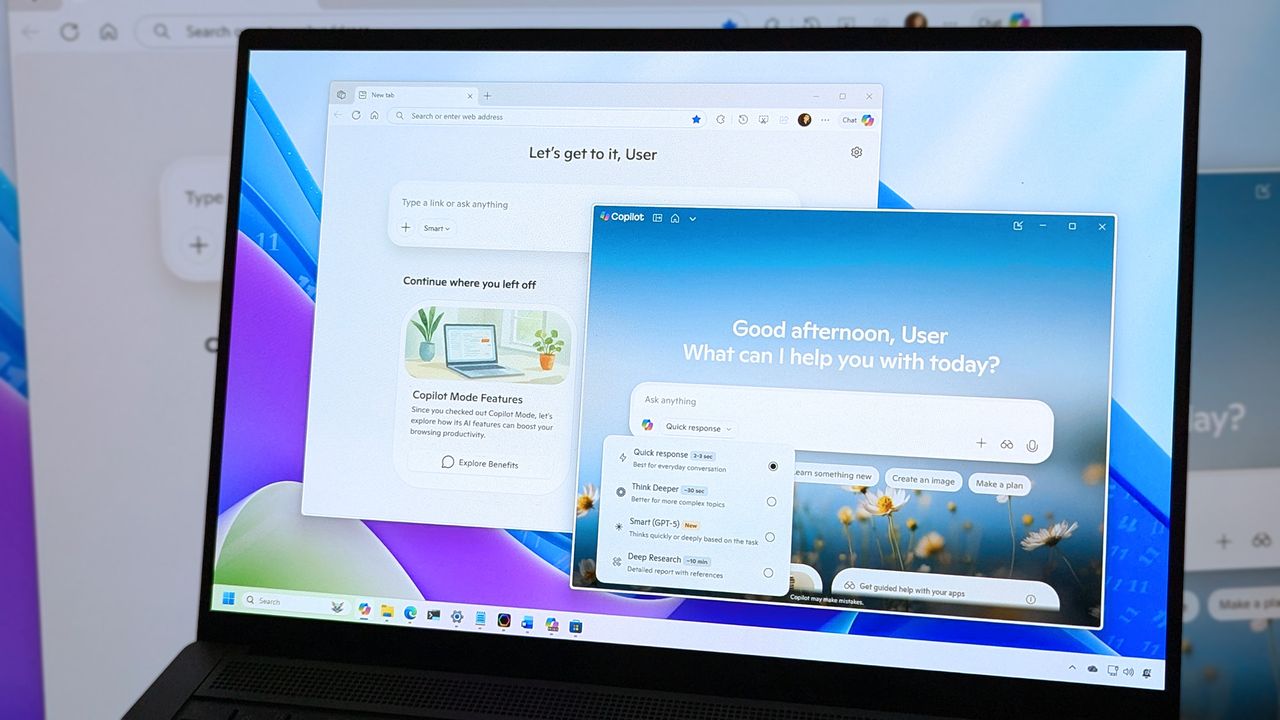
Microsoft has been inventing new ways to integrate its Copilot AI offering across its entire tech stack, especially Windows. It's practically everywhere you look in the operating system.
More recently, a report suggested that Copilot might soon make its way to the File Explorer in Windows 11. The discovery was made through a hidden button in the File Explorer app on the latest Windows 11 preview builds.
Right now, it is impossible to tell what Copilot's function will be in the File Explorer spp will be, but if we are throwing a spanner in the works, the tool might be in place to help users analyze and even break down information about their documents, photos, and more.
There's a large number of users who aren't digging Microsoft's AI vibe. Even Microsoft CEO Satya Nadella wants users to stop calling AI "slop," but his plea has fallen on deaf ears and even earned the tech giant a new name — Microslop.
Third-party apps that bypass critical security measures can open your device to potential issues, so always proceed with caution.
However, modern-day challenges like these require modern-day solutions — enter Winslop. Winslop, developed by the same developer behind Flyoobe, is a lightweight app that helps you remove the AI features Microsoft has been heavily integrating into Windows 11 (via Neowin).
Perhaps more interestingly, the app doesn't focus on just removing AI bloatware from your Windows 11 PC, it also gives users more control over their device by allowing them to remove other unnecessary operating system components that they might not consider useful.

Will Microsoft move forward with its plans to evolve Windows into an agentic OS despite backlash from users? Share your thoughts in the comments.

Follow Windows Central on Google News to keep our latest news, insights, and features at the top of your feeds!