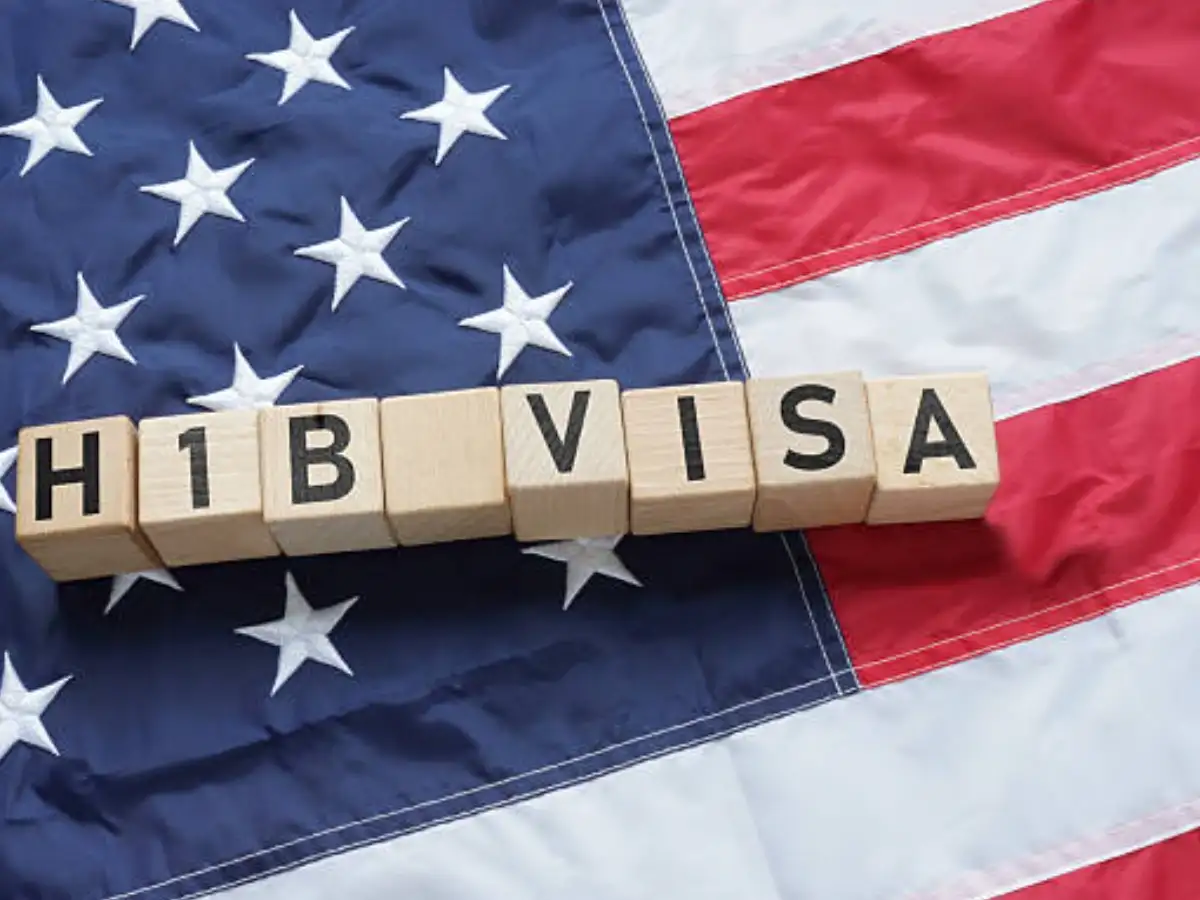
The US Department of Homeland Security (DHS) is considering ending the 60-day grace period that allows certain foreign workers to remain in the country after losing their jobs, according to a report by Fragomen.
The proposal is being reviewed by the White House Office of Management and Budget (OMB) and could particularly affect H-1B workers.

The proposal has not yet become a rule. DHS would have to publish it in the Federal Register and allow the public to comment before deciding whether to issue a final regulation. The comment period is expected to last 30 to 60 days.
Also Read: UK expands Global Talent visa for researchers, opening more opportunities for Indians
For foreign workers, the proposed change could remove an important window used to find a new employer, seek another eligible immigration status or prepare to leave the US.
Why the 60-day window matters
The grace period was introduced through a regulation in 2016 and took effect in early 2017. It was designed to reduce the immigration consequences of losing a job and give affected workers time to find another job, change their status where eligible or prepare to leave the US.
Under the current rules, the provision covers E-1, E-2, E-3, H-1B, H-1B1, L-1, O-1 and TN workers and their eligible dependents. The grace period lasts for up to 60 days or until the worker's I-94 authorised stay expires, whichever comes first.
The provision can be used when employment ends voluntarily or involuntarily and is generally available once during each authorised petition validity period.
Also Read: US to vet social media of foreign journalists applying for visas, report says
DHS can shorten or deny the grace period in certain circumstances, although Fragomen said it has rarely done so.
Indian H-1B workers could face tighter timelines
The potential change matters particularly to Indians because they account for a large share of H-1B beneficiaries.
US Citizenship and Immigration Services (USCIS) approved 399,402 H-1B petitions covering initial and continuing employment in fiscal year 2024. Indians accounted for 71% of the approved beneficiaries based on country of birth, according to USCIS data.
Currently, an eligible H-1B worker who is laid off can generally remain in the US for up to 60 days, subject to the existing rules and the expiry of their authorised stay. During that period, the worker can seek another employer willing to file a new H-1B petition.
Removing the window could leave workers with considerably less time to make those arrangements.
It could also affect workers across several nonimmigrant visa categories, including L-1, O-1, E-1, E-2, E-3, H-1B1 and TN, along with eligible dependents.
What could change for workers
Under the existing system, an eligible worker can use the grace period to look for another employer or pursue a change of status without having to leave the US, where permitted.
If the grace period is removed, affected foreign nationals whose employment ends before their authorised stay expires could generally be considered to have fallen out of status. Fragomen said they could then be required to leave the US and would generally be unable to change status or change employers from within the country, unless USCIS exercises discretion to forgive the lapse in status.
That could make job losses more consequential for workers who need time to secure a new sponsor or explore another immigration route.
Proposal still has several steps to clear
The immediate impact on foreign workers remains limited because the proposal is still under review.
Once it clears federal review, which could take several months or longer, DHS would publish the proposal in the Federal Register for public comments. The comment period is expected to last 30 to 60 days.
The regulation would not take effect simply because it clears OMB review. DHS would first have to consider the public feedback and issue a final rule, a process that could take several more months.
According to the Fragomen report, feedback from employers after publication of the proposal would be important in informing the government about its potential impact on businesses.
Until a final rule takes effect, the existing 60-day grace period continues to apply to eligible foreign workers.