Get all your news in one place.
100's of premium titles.
One app.
Start reading
The Times of India
The Times of India
World
TOI World Desk

Wild pigs were brought to North America in the 1500s: 2026 finds forests they roam have fewer invasive plant species than pig-free areas

As you move further into the forest of North America, you may find yourself at the scene of what looks like a miniature explosion of dirt that has been turned upside down and torn up, with greenery all messed up.

Get breaking news anytime, anywhere. Download the TOI app now!

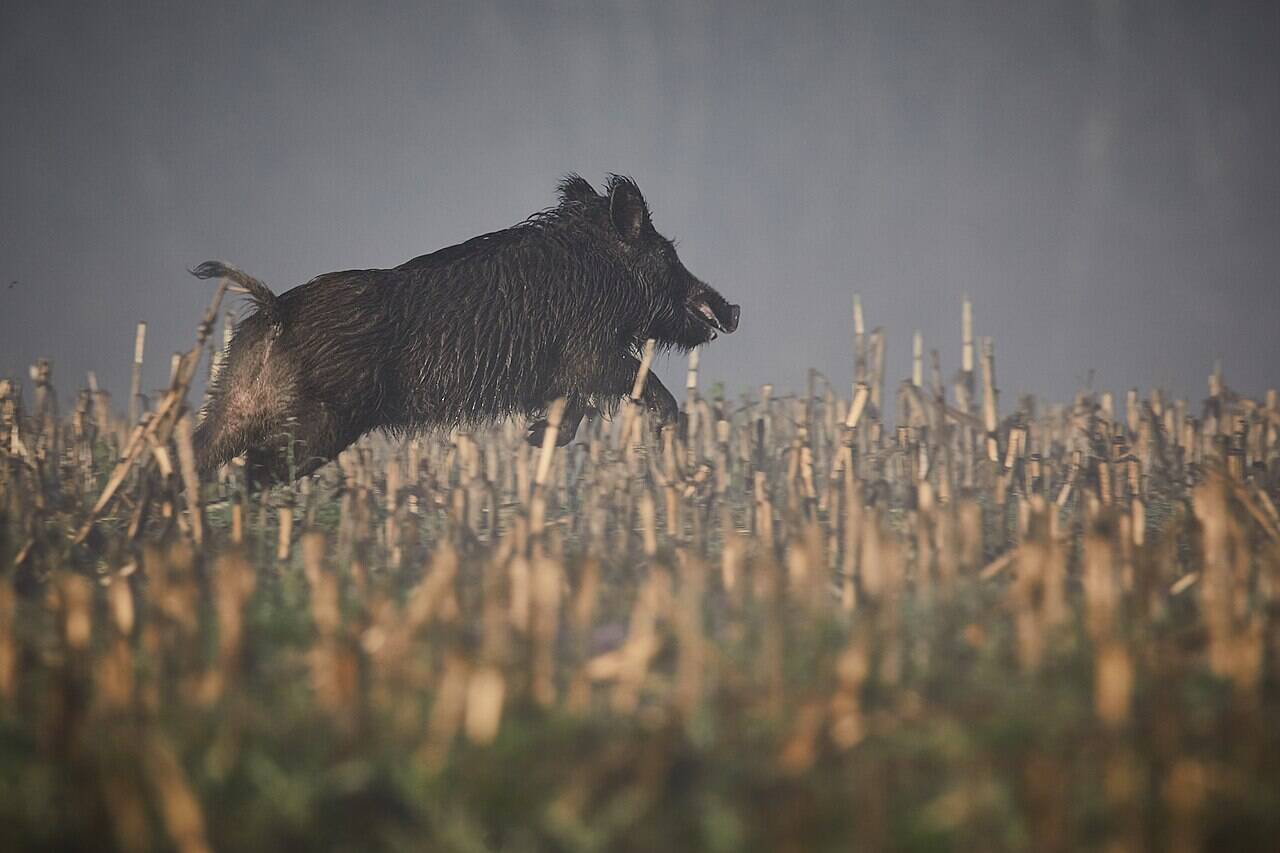
For decades, hikers, landowners, and park rangers have blamed wild pigs for the damage. These heavy, aggressive animals have been wandering across North America for centuries, leaving a trail of broken fences and dug-up lawns in their wake. Ever since early Spanish explorers first brought them over on wooden ships in the 1500s as a walking food source, their populations have exploded out of control.

Today, countless wild pigs wander through woods, swamps and farmland, and many people label them purely destructive animals. Homeowners go through great lengths just to protect themselves from these animals, while conservationists regularly caution everyone about how, being an alien species, these animals pose a direct danger to local wildlife.

A study published in the journal Proceedings of the Royal Society B , titled Divergent effects of native deer and alien wild pigs on forest understoreys, has turned this long-standing environmental narrative completely on its head. By analysing extensive forest inventory data and large-scale mammal camera-trap networks across the eastern United States, the research team made a startling discovery that is shaking up the scientific community. The data suggest that forests where feral pigs roam may contain fewer invasive, non-native plant species than pig-free areas.

How rooting may affect invasive plants

To understand how a destructive, non-native mammal could accidentally become a protector of local forest health, scientists had to look closely at the unique way these animals forage for food.

Wild pigs do not just feed on leaves. They use their powerful snouts and tough tusks to plough through the top layers of soil, a chaotic behaviour known as rooting. While this digging can disturb the forest floor, it may make conditions less favourable for some shallow-rooted weeds. Many invasive plants spread more easily in stable, undisturbed forest floors.

When the pigs move through an area like a living rototiller, they repeatedly uproot these invasive weeds before they have a chance to spread.

The study reported a contrast between introduced pigs and native North American white-tailed deer. Deer are selective feeders and often browse on native tree seedlings. By selectively eating the local flora, the deer accidentally clear out the competition, creating a perfect, open pathway for invasive weeds to spread across the forest floor.

The wild boars disturb the soil in ways that may make it harder for some plants to establish. This disturbance may help keep plant communities dynamic.

It turns out that the very trait that makes these animals a massive nuisance to suburban homeowners is the exact mechanism that keeps aggressive foreign weeds from completely conquering the deep woods.

Rethinking the role of wild pigs in the woods

This surprising ecological twist forces us to look at the concept of native and non-native species with a lot more nuance and a little less judgment. For a long time, environmental management has often treated local animals as beneficial and introduced animals as harmful.

While it is undeniably true that feral pigs cause millions of dollars in agricultural damage and need to be carefully managed, this new data shows that their relationship with the wilderness is far more complex than a simple comic book storyline. They are not just mindless destroyers. They can act as ecosystem engineers and have been present in parts of North America for centuries.

As climate change, human density and shifting weather patterns continue to alter local parks, traditional conservation methods may need to adapt.

Instead of trying to restore forests to a pre-colonial baseline, managers may need to accept more complex ecological trade-offs.

The study suggests wild pigs may sometimes suppress certain invasive plants, even as they remain a major management problem.

Ultimately, the discovery reminds us that the wilderness is a living, adapting system that does not always follow human rules or expectations. The next time you are out on a nature trail and spot a messy area of overturned soil, you might not need to shake your head in disappointment. That muddy patch may reflect rooting activity that can affect which plants establish there.

Sign up to read this article
Read news from 100's of titles, curated specifically for you.
Already a member? Sign in here
Related Stories
Top stories on inkl right now
One subscription that gives you access to news from hundreds of sites
Already a member? Sign in here
Our Picks
Fourteen days free
Download the app
One app. One membership.
100+ trusted global sources.