
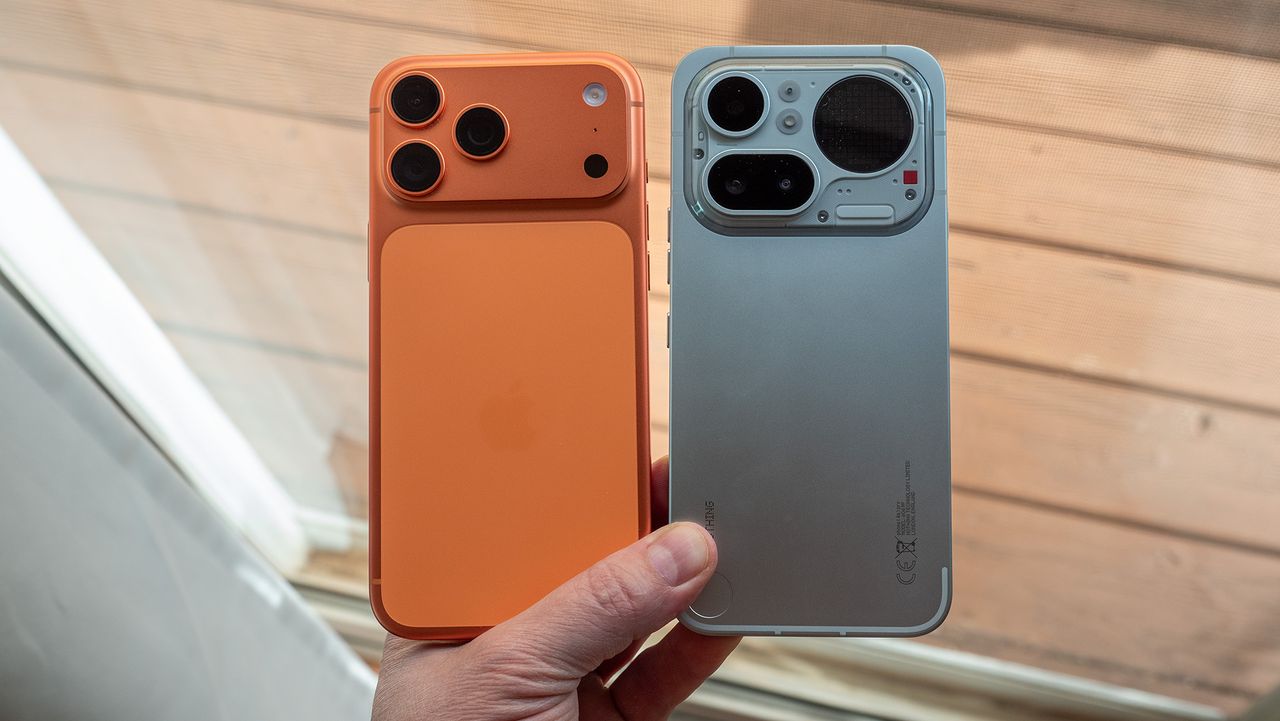
I haven't been shy about my hatred for eSIM, the digital technology that stores SIM information on your device rather than on a separate SIM card. One of the occupational hazards of my job is that I'm always switching phone lines between iOS and Android phones. Ever since Apple and Google shifted to selling eSIM-only phone models, it has been painstakingly difficult. I'd have taken a 50% success rate, but my luck with transferring eSIMs between iOS and Android felt more like an unrelenting struggle.
If you've had similar eSIM hardships, trust me, I believe you. With that being said, I'm thrilled to report that Apple and Google have finally figured out cross-platform eSIM transfers. This isn't exactly a new feature — it was first announced at last year's WWDC — but it required software updates to work. In other words, the joint feature wouldn't do users much good until the general public widely adopted iOS 26 and Android 16.












