
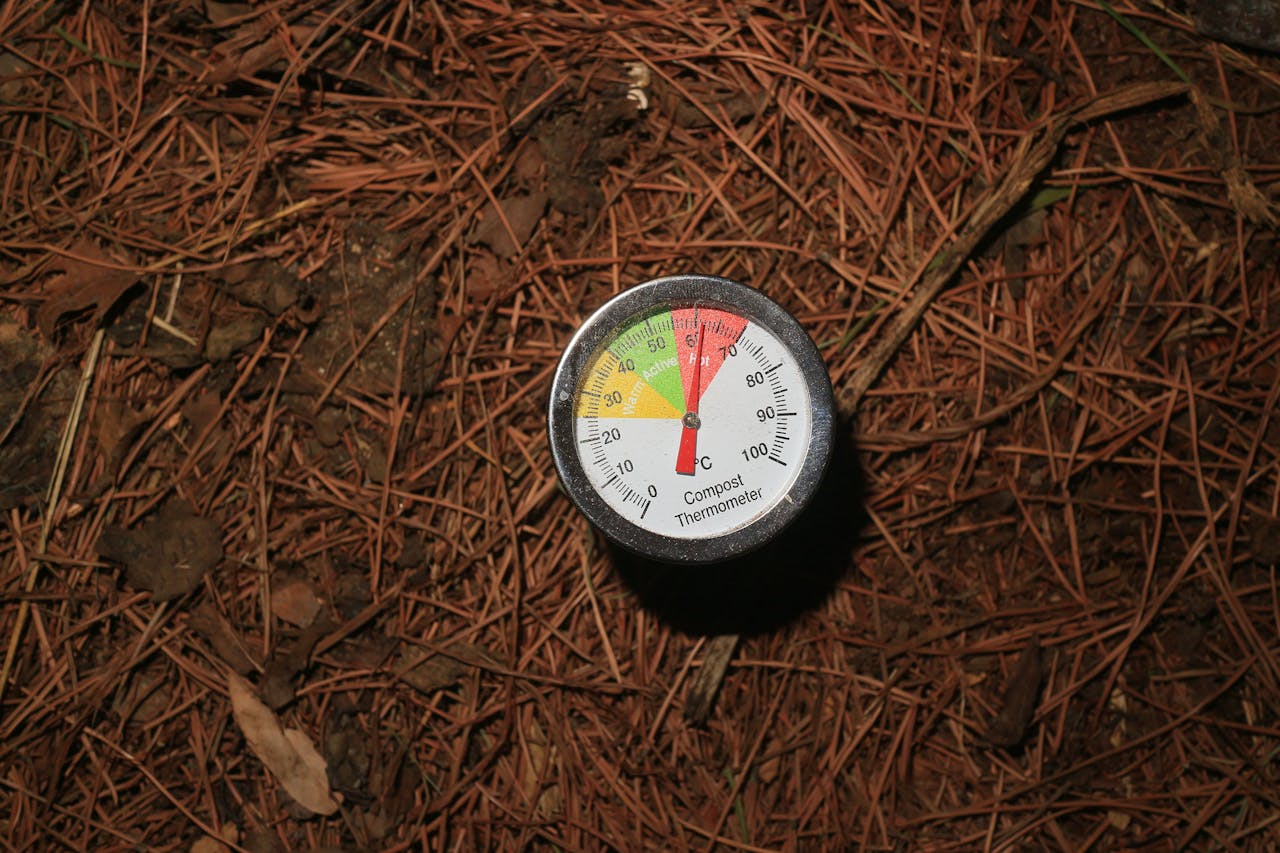
A compost pile should feel alive. It should hum with energy, steam on cool mornings, and quietly transform scraps into dark, crumbly gold. When that heat disappears, the whole process stalls out, and what should smell earthy and rich starts leaning toward soggy, sluggish, and disappointing. A cold compost pile doesn’t just sit there; it signals that something inside the system has fallen out of balance, and ignoring it only drags the process out for weeks or even months.
That’s where things get interesting, because compost doesn’t need complicated fixes or expensive tools to bounce back. It needs attention, a few smart adjustments, and a bit of curiosity about what’s going on inside that pile. Temperature drops don’t happen randomly, and once the real cause comes into focus, the solution usually feels surprisingly simple.