
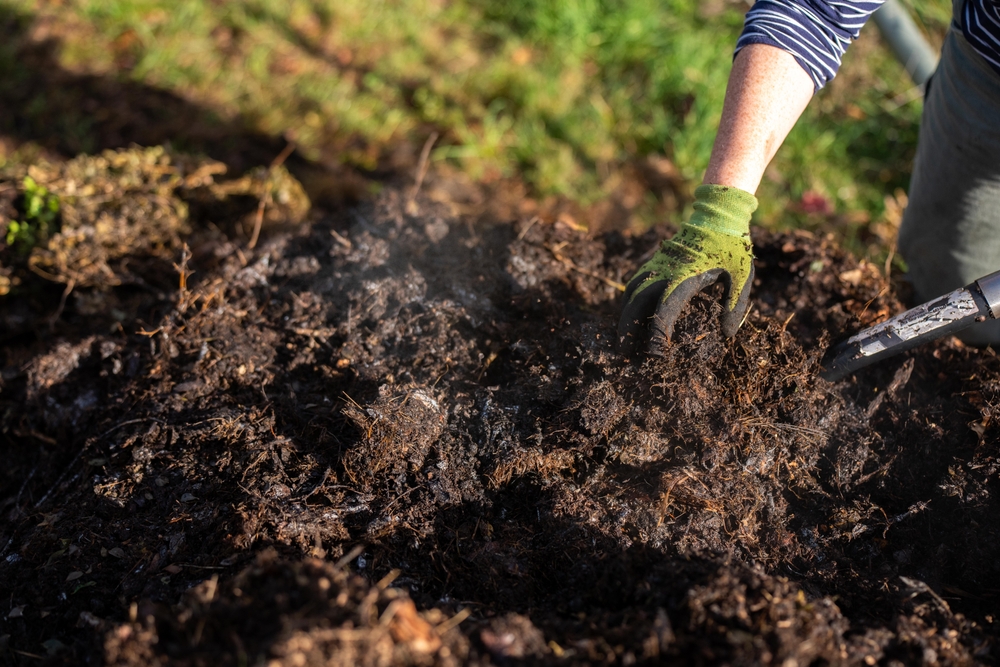
Composting promises rich, dark soil that plants love, but when the pile refuses to heat up, frustration sets in fast. That cold, sluggish mound looks innocent, but beneath the surface, decomposition stalls and nutrients barely develop. Without heat, microbes can’t work at their peak, and the result is a slow, inefficient process that leaves gardeners waiting weeks—or even months—for usable compost. The problem isn’t always obvious, and it doesn’t signal failure. It signals opportunity to understand the hidden mechanics of soil science and give nature exactly what it needs.
Plants thrive when the soil around them contains balanced nutrients, and hot compost accelerates that cycle dramatically. The magic happens when microbes feast on a mix of greens and browns, producing heat that transforms organic matter into rich humus. A pile that doesn’t warm up indicates an imbalance somewhere—too dry, too wet, too little nitrogen, or not enough surface area for microbial action.













