Your phone battery drops to 6% while you wait for a delayed flight, and the glowing airport charging station suddenly feels like a lifesaver. Most travelers have been there. But in 2026, cybersecurity experts continue warning that public USB charging stations may carry hidden digital risks known as juice jacking. While confirmed attacks remain uncommon, the potential consequences — from malware installation to stolen personal data — are serious enough that many travelers are changing how they charge on the go.

What Is Juice Jacking and Why Are Travelers Hearing More About It?
Juice jacking happens when a compromised USB charging port or cable is used to transfer data or malware to a connected device while it charges. The concern has resurfaced after repeated travel warnings from cybersecurity professionals and transportation authorities advising travelers to avoid plugging directly into public USB ports. USB connections are designed for both power and data transfer, which is what creates the security concern. Experts note that modern smartphones now include stronger protections, but those safeguards are not foolproof in every situation. In simple terms, juice jacking is a low-probability threat with potentially high-impact consequences.
Why Airport Charging Stations Can Be Riskier Than They Look
Airport charging stations attract thousands of rushed, distracted travelers every day, making them an ideal target for cybercriminals looking for opportunities. Imagine plugging in your phone before boarding, clicking “Trust This Device” without reading the prompt, and unknowingly opening access to data transfer. That may sound dramatic, but security experts say human behavior is often the weakest link in cybersecurity. Public charging hubs also create a false sense of safety because they sit inside highly monitored airports. The reality is that a charging port is still a USB connection, and USB technology was built to move data, not just electricity.
The Truth: Is Juice Jacking Actually Happening in 2026?
Here’s the part many headlines leave out: cybersecurity experts say confirmed real-world juice jacking cases remain extremely limited or undocumented. However, that does not mean the threat is imaginary. Cybersecurity warnings continue because the technical possibility exists, and attackers constantly look for new ways to exploit charging cables, ports, and connected devices. Think of it like locking your car in a safe neighborhood — you do it because the inconvenience is small compared to the possible loss. That balanced approach is why many experts recommend caution without encouraging panic.
3 Smarter Ways to Charge Your Phone While Traveling
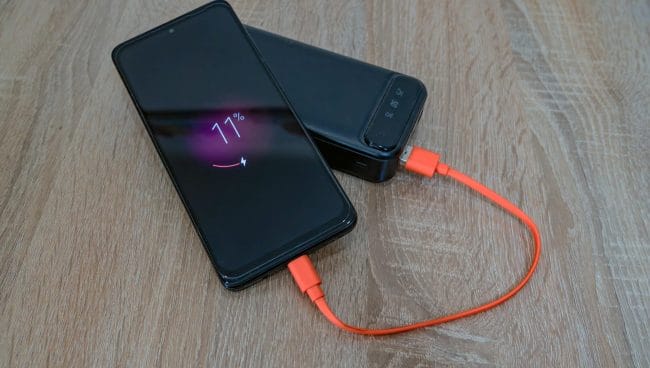
1. Carry a portable battery pack or power bank in your carry-on bag. This is the simplest and most recommended alternative for frequent travelers.
2. Use your own wall charger plugged into a traditional electrical outlet instead of a public USB port. Power outlets generally provide electricity without the same direct data-transfer concern.
3. Pack a USB data blocker, sometimes called a “USB condom,” which allows charging power while blocking data communication. Many cybersecurity professionals recommend these inexpensive accessories for travelers who rely on public charging access.
These options may seem like small habits, but they can dramatically reduce exposure to unnecessary cybersecurity risks.
Your Phone’s Built-In Security Features Help — But Don’t Rely on Them Alone
Many modern iPhones and Android devices now block unauthorized data access by default and often require users to approve data-sharing requests. That is good news for travelers worried about juice jacking in 2026. But device protections are only effective if users pay attention to warning messages and keep software updated. A rushed traveler using an outdated device or accepting an unfamiliar prompt could still create a vulnerability. Good digital safety works best when technology and user awareness work together.
Why Your Next Airport Charge Could Be a Cybersecurity Decision
Public charging stations at airports are convenient, but convenience should not automatically outweigh caution. Juice jacking is not a reason to fear every airport USB port, yet it is a reminder that everyday travel habits can create digital risks. Carrying your own charger, battery pack, or data blocker is a practical solution that takes very little effort. In an age where smartphones hold banking apps, passwords, private photos, and work accounts, protecting your device matters more than ever.
Have you changed how you charge your phone while traveling, or do you still trust airport charging stations? Share your experience in the comments — your tip could help another traveler stay safer.
What to Read Next
7 Major Retailers Charging New Return Fees for Online Orders
The post Why You Should Think Twice About Using Public Charging Stations at Airports in 2026 (The ‘Juice Jacking’ Warning) appeared first on Budget and the Bees.