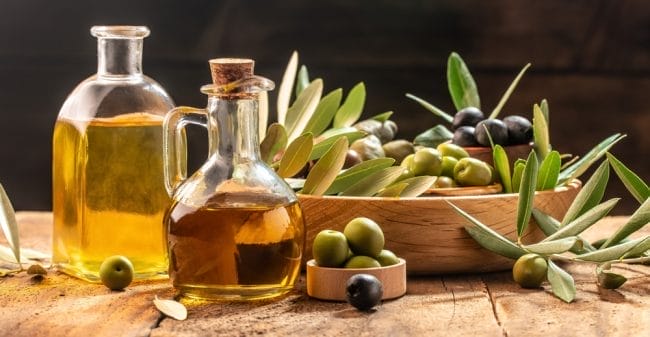
You probably think of olive oil as a pantry staple that lasts forever, like salt or honey. You spend the extra money on the “Extra Virgin” label, assuming it is a heart-healthy investment for your family. But here is the investigative truth: olive oil is not a wine; it is a fruit juice. From the moment it is pressed, it begins a slow slide into rancidity. If you are using a bottle that has been sitting in your cupboard for six months, you aren’t just losing flavor—you are losing the very antioxidants you paid for. Here is why you need to check that date today and why the industry doesn’t want you to know how old your oil really is.
The Myth of the “Best By” Date
The “Best By” date on most bottles is a guess, not a rule. Most manufacturers set that date for two years after bottling. But that doesn’t tell you when the olives were actually harvested. A bottle could sit in a silo for a year before it even hits the glass.
Look for a “Harvest Date” instead. If the oil is more than 18 months past its harvest, its medicinal properties are largely gone. Honestly, you are just paying a premium for flavored fat at that point. Freshness is the only thing that matters for health benefits.
The Hidden Danger of Oxidation
When olive oil goes bad, it oxidizes. This creates free radicals, which are the exact opposite of what you want in your body. Rancid oil tastes like crayons or old nuts, but many people have become so used to the taste of cheap, old oil that they don’t even realize it’s spoiled.
Surprisingly, heat and light are the enemies. If your oil is in a clear bottle or sitting next to the stove, it is dying a fast death. To protect your investment, buy oil in dark glass or tin and store it in a cool, dark pantry. If it smells like a workshop instead of fresh grass, throw it out.
Fraud in the Oil Aisle
The olive oil industry is notorious for mislabeling. Investigative reports have consistently shown that many “Extra Virgin” oils on supermarket shelves are actually diluted with cheaper seed oils or are of a lower grade. They rely on the fact that the average consumer doesn’t know what fresh oil tastes like.
On the other hand, a real olive oil should have a peppery kick at the back of your throat. That “sting” is the presence of oleocanthal, a powerful anti-inflammatory. If your oil is smooth and tasteless, it is likely old or fake. Do not let your health be a victim of grocery store fraud.
Demand Freshness in Your Pantry
Your kitchen should be a source of health, not a graveyard for expired nutrients. Check your bottles tonight. If there is no harvest date, or if the “Best By” date is approaching, use it up fast or toss it. Treating olive oil as a fresh product is the only way to ensure you are getting the cardiovascular protection you expect. You deserve the quality you pay for.
Did you check your bottle? Tell us the date you found—was it older than you thought? Let’s talk in the comments.
What to Read Next…
- Health Alert: FDA Detects Multiple Pathogens, Dog Food Brand Won’t Recall Products
- Recall Alert: 13,000 Pounds of Chicken Recalled Due to Listeria Risk
- 7 Everyday Foods Doctors Say Can Quietly Trigger Gut Inflammation
The post Stop Using Rancid Olive Oil: Why That “Best By” Date is Actually a Warning appeared first on Budget and the Bees.