Get all your news in one place.
100's of premium titles.
One app.
Start reading
The National (Scotland)
National
Hamish Morrison

Why were so many UK journalists friends with former head of MI6?

WHILE he was the head of Britain’s foreign intelligence service, the recently deceased Sir Alex Younger was known by the codename “C”. But to a raft of top-flight political journalists, he was just “Alex”.

Gushing tributes flooded in for Younger when he died aged 62 earlier this month. The former head of MI6, the popular name for the Secret Intelligence Service, was lauded by some of the biggest names in British journalism, from ITV’s Robert Peston to BBC Newsnight’s Victoria Derbyshire.
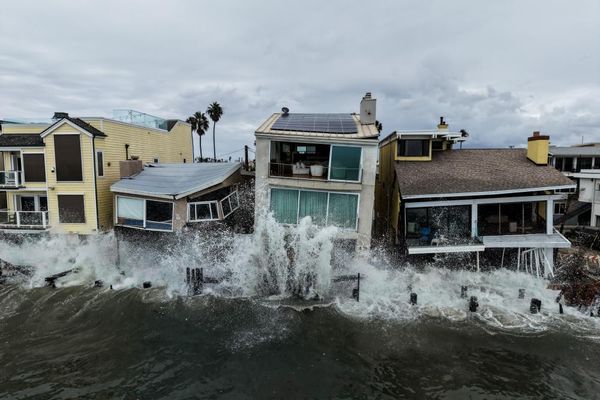
Nick Robinson, presenter of the Today programme on BBC Radio 4, said he was “lucky enough to get to know Alex and call him my friend”.

The tributes that flowed for Younger on his untimely death points to a hidden network of contacts between the state and the establishment media, sources who worked at the top flight of the British media told The National.

One journalist, with extensive experience working in mainstream broadcasting, said it was common for journalists at the UK’s top newspapers to be brought in for a “chat in Vauxhall”, the location of MI6’s foreboding London headquarters.

He said: “They invite you into the big boys’ club and lift the veil a bit.”

It is not suggested that spooks divulge state secrets to members of the media, but it is claimed that journalists are courted and flattered, the better for the security services to push their agenda through public channels.

Another journalist who worked at some of the big London newspapers said some end up “working both as journalists and as agents of the British state”, adding: “There is a great danger of mainstream journalists being too promiscuously friendly with intelligence chiefs.”

The journalist, who spoke on the condition of anonymity, said: “I think a lot of journalists get a little bit overexcited by spies.”

Reflecting on their experiences in London newsrooms, the source added: “There were certain ones who would boast about their relationships with British intelligence and not just British intelligence, Mossad, too.

“They would boast about it internally, to their friends. And some of them get used and that isn’t new, that is something that has gone on, I think, for a very long time and it’s reciprocal. It’s very dangerous territory.”

It comes after Oscar-winning British actor and musician Riz Ahmed claimed that someone "senior, high up at the BBC" had approached him about working for the security services.

MI6 is thought to have meddled in UK politics through the media throughout its history.

The agency is believed to have been responsible for the planting of the infamous Zinoviev letter in the Daily Mail in 1924.

It was claimed in 2003 by former US intelligence official Scott Ritter that MI6 engaged in a disinformation campaign to drum up public support for the invasion of Iraq.

Ritter claimed he was involved in the push, codenamed Operation Mass Appeal, between summer of 1997 until August 1998 which slipped poor quality but “sexy” intelligence to the media to feed “the perception that Iraq was a nation ruled by a leader with an addiction to [weapons of mass destruction]”.

MI6 denied the reports at the time.

Sign up to read this article
Read news from 100's of titles, curated specifically for you.
Already a member? Sign in here
Related Stories
Top stories on inkl right now
One subscription that gives you access to news from hundreds of sites
Already a member? Sign in here
Our Picks
Fourteen days free
Download the app
One app. One membership.
100+ trusted global sources.