Get all your news in one place.
100's of premium titles.
One app.
Start reading
The Conversation
The Conversation
Jenny Hall, Associate Professor in Tourism and Events, York St John University

Why walking in a national park in the dark prompts people to turn off lights at home

Andy Burns

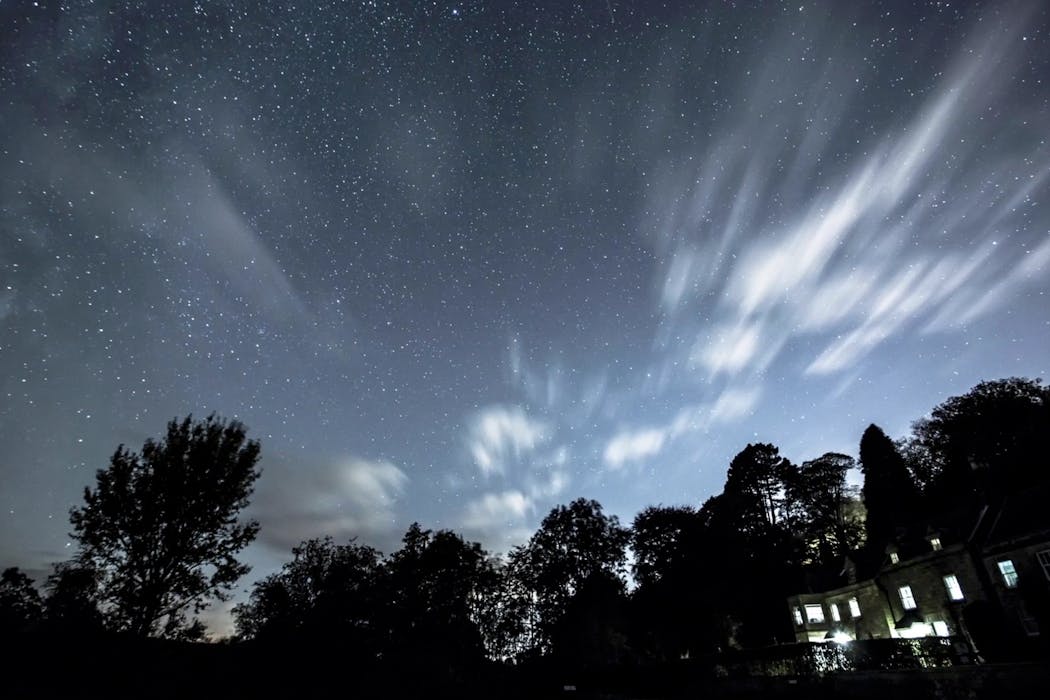
As soon as you drive over the top of the Peak District and down into Sheffield you can see the light pollution – and it’s horrible, said a participant in a research project into darkness and light pollution.

In the last 100 years, the places where people can experience darkness have reduced dramatically. Now only 10% of the people living in the western hemisphere experience places with dark skies, where there is no artificial light. And the starry skies they can see are limited by artificial light. The number of stars that people can see from most of the western hemisphere is getting fewer and fewer.

Sign up to read this article
Read news from 100's of titles, curated specifically for you.
Already a member? Sign in here
Related Stories
Top stories on inkl right now
One subscription that gives you access to news from hundreds of sites
Already a member? Sign in here
Our Picks
Fourteen days free
Download the app
One app. One membership.
100+ trusted global sources.