Get all your news in one place.
100's of premium titles.
One app.
Start reading
MyLifeXP
MyLifeXP
Technology
Palak Khanna

Why Some Countries Ban Car Colours That Are Perfectly Legal Elsewhere

Imagine buying your dream car, picking your favourite colour, and then being told you cannot drive it because the paint itself is illegal. Sounds unbelievable, right? While most people assume car colour is just a matter of style, several countries have surprising rules about which shades can and cannot appear on public roads. Some colours are reserved for royalty or emergency services. Others are discouraged because they reduce visibility in harsh weather or create confusion during emergencies. These unusual regulations show that a car's colour can sometimes be about much more than personal taste.

When Safety Comes Before Style

Safety First
Some colours are easier to spot, making roads safer for everyone.​

One of the biggest reasons governments regulate vehicle colours is road safety. Bright colours like white, silver, and yellow tend to remain visible during fog, rain, and low light conditions. On the other hand, darker shades can become difficult to spot at night, increasing accident risks. Some countries and local authorities have debated limiting extremely dark finishes for commercial or public transport vehicles because visibility directly affects road safety. While outright bans on private vehicles are rare, safety recommendations often influence official regulations for taxis, buses, and government fleets. Sometimes, the safest colour is considered more important than the trendiest one.

Colours Reserved for Emergency and Government Vehicles

Reserved Colours
Some colour schemes are protected to avoid confusion during emergencies.​

In many countries, certain colours are legally protected because they instantly identify official vehicles. Police cars, ambulances, military vehicles, and fire departments often use distinctive colour schemes that private owners are not allowed to copy. The goal is simple. Nobody should mistake a civilian vehicle for an emergency responder. Blue and red reflective markings, fluorescent yellow-green combinations, and specific paint patterns are commonly restricted across Europe, North America, and several Asian countries. These rules help people recognise emergency vehicles within seconds, especially during stressful situations.

Royal Privileges and Cultural Traditions

Colours of Power
In some places, vehicle colours symbolize history, royalty, and tradition.​

Sometimes the restriction has nothing to do with traffic. Historically, certain colours were reserved for kings, queens, or members of the royal family. Although these rules have relaxed over time, traces of such traditions still exist in some parts of the world. In countries with strong monarchies, official royal vehicles often use exclusive paint finishes or ceremonial colours that ordinary citizens cannot imitate for official-looking vehicles. Culture also plays a role. Colours associated with mourning, religion, or national identity may influence what governments recommend or discourage for public transport and official fleets. A simple shade of paint can carry centuries of history.

Climate Can Even Influence Car Colour Choices

Climate Matters
Weather often influences which car colours work best.​

Believe it or not, the weather can affect which car colours dominate a country. In extremely hot regions, lighter colours reflect sunlight and help keep cabin temperatures lower. Dark cars absorb more heat, making interiors significantly hotter during summer. While governments rarely ban dark colours solely because of climate, public transport operators and commercial fleets often favour white or silver vehicles to improve fuel efficiency by reducing air-conditioning demands. In snowy regions, bright colours also improve visibility against white landscapes, making them a practical choice for both drivers and authorities. Sometimes nature quietly shapes regulations without most people noticing.

The Surprisingly Strict Rules Around the World

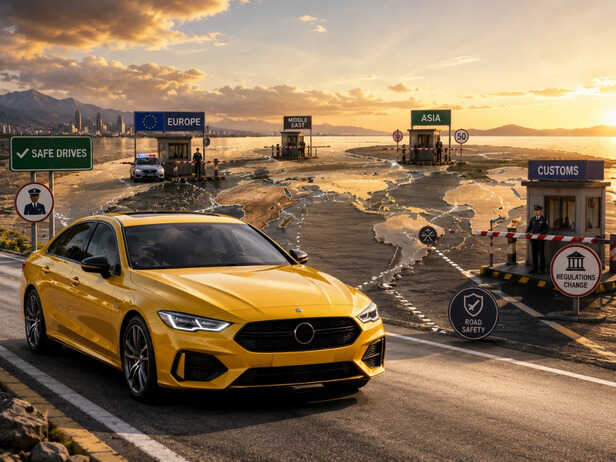
Several countries have unusual vehicle colour regulations that surprise foreign visitors. In some Middle Eastern nations, government agencies carefully regulate colours used on taxis so passengers can instantly identify licensed vehicles. Certain Asian countries reserve specific colours for diplomatic or government fleets. Many European nations prohibit civilians from using reflective emergency-style paint schemes that closely resemble police vehicles. Even when there is no nationwide ban on a particular colour, local transport authorities often enforce colour rules for commercial vehicles, public transport, or official services. The result is a fascinating patchwork of regulations where the exact same car could be perfectly legal in one country but illegal in another simply because of its paint.

More Than Just a Coat of Paint

Most of us choose a car colour based on personality or fashion. Yet around the world, governments often see colour as a matter of safety, identity, authority, and practicality. The next time you admire a brightly coloured sports car or a sleek black SUV, remember that somewhere else on the planet, that exact shade might come with legal restrictions. It is a reminder that even the smallest details can tell surprisingly big stories about a country's culture, climate, and priorities.

Unlock insightful tips and inspiration on personal growth, productivity, and well-being. Stay motivated and updated with the latest atMy Life XP.

Sign up to read this article
Read news from 100's of titles, curated specifically for you.
Already a member? Sign in here
Related Stories
Top stories on inkl right now
One subscription that gives you access to news from hundreds of sites
Already a member? Sign in here
Our Picks
Fourteen days free
Download the app
One app. One membership.
100+ trusted global sources.