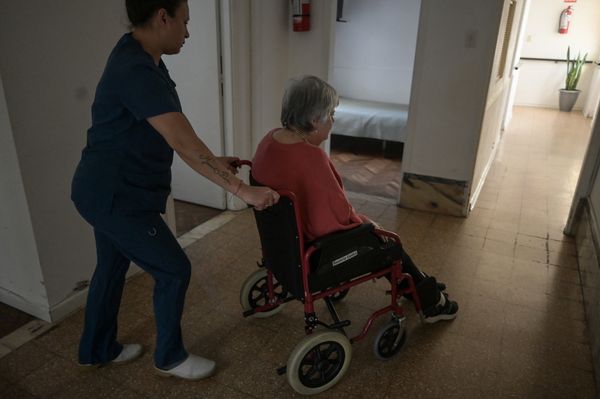
When an aging parent becomes incapacitated due to dementia or another serious illness, the family faces a crisis. If the parent never signed a Power of Attorney, the only way to gain legal authority to manage their affairs is through a court-ordered guardianship, also known as a conservatorship. The common assumption is that an adult child will automatically step into this role. But what happens when that child says “no”? The decision can be shocking to other family members and may seem like a cold and unloving act of abandonment. However, there are a number of profound and legitimate reasons why a person might refuse to take guardianship, and in many of these cases, a judge will agree with their decision.
Here’s a look at the complex realities behind this difficult choice.