
Get all your news in one place.
100’s of premium titles.
One app.
Start reading
Saving Advice
Saving Advice
Teri Monroe

Why Seniors Should Avoid Reverse Mortgages Until They Read the Fine Print

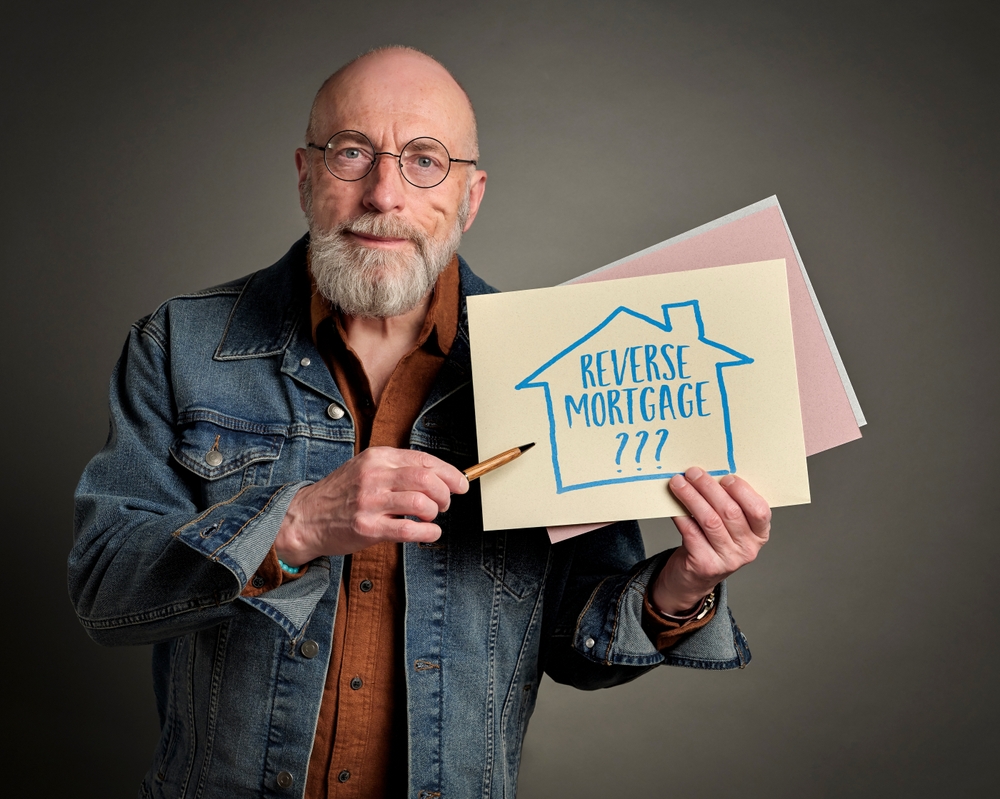
reverse mortgage fine print
Image Source: Shutterstock

For many retirees, a reverse mortgage appears to be the perfect solution: convert home equity into cash without monthly payments. It’s marketed as a way to stay in your home while boosting your income. But beneath the surface, reverse mortgages come with complex terms, hidden fees, and long-term risks that can jeopardize your financial future. Seniors should approach these loans with caution—and never sign until they’ve read every word of the fine print.
What Is a Reverse Mortgage?

A reverse mortgage is a loan that allows homeowners 62 and older to convert part of their home’s equity into cash. Unlike traditional mortgages, there are no monthly payments. Instead, the loan is repaid when the homeowner sells the house, permanently moves out, or passes away. The most common type is the Home Equity Conversion Mortgage (HECM), which is federally insured and regulated by the U.S. Department of Housing and Urban Development (HUD). While it can provide financial relief, it’s not free money—and the costs can be steep.

Hidden Fees and Costs

Reverse mortgages often include origination fees, closing costs, mortgage insurance premiums, and servicing fees. These charges are typically rolled into the loan, reducing the amount of equity available and increasing the total debt. Over time, interest accrues on the loan balance, which can grow rapidly. Seniors may be surprised to learn how little equity remains when it’s time to sell or pass the home to heirs.

Risk of Foreclosure

Yes, even with a reverse mortgage, foreclosure is possible. Homeowners must continue to pay property taxes, homeowners’ insurance, and maintain their homes. If they fall behind or the property deteriorates, the lender can call the loan due. For seniors on fixed incomes, these obligations can become burdensome—especially if health issues or unexpected expenses arise. Losing a home late in life is a devastating outcome that many don’t anticipate.

Impact on Heirs

Reverse mortgages affect inheritance. When the homeowner dies, the loan must be repaid—usually by selling the home. If the loan balance exceeds the home’s value, heirs may walk away with nothing. Even if equity remains, the process can be complicated and emotionally taxing. Seniors who want to leave property to children or grandchildren should consider alternative strategies.

Misleading Marketing

Many reverse mortgage ads target seniors with promises of financial freedom and stress-free living. But they rarely mention the fine print. Some lenders use aggressive tactics or fail to explain the long-term consequences. Seniors should be wary of any pitch that feels rushed, overly optimistic, or dismissive of questions. A reputable lender will encourage education and transparency—not pressure.

Alternatives to Consider

Before choosing a reverse mortgage, seniors should explore alternative options that may offer greater flexibility and fewer long-term risks. Downsizing to a smaller home can free up equity while reducing maintenance and living costs. Home equity loans or lines of credit provide access to funds without sacrificing ownership. Property tax deferral programs can ease financial pressure for those on fixed incomes. Renting out part of the home generates supplemental income while maintaining residence. Additionally, state or local senior assistance programs may offer financial aid, home modifications, or utility relief. These alternatives are especially valuable for those who wish to preserve equity or leave a legacy for their heirs.

What to Ask Before Signing

If you’re considering a reverse mortgage, ask these critical questions:

  • What are all the fees and costs involved?
  • How will the loan affect my heirs?
  • What happens if I move out or need long-term care?
  • Can I afford property taxes and insurance in the long term?
  • Is this the best option for my financial goals?

Consulting a HUD-approved housing counselor is also recommended—they can provide unbiased guidance and help you understand the full picture.

Don’t Let This Catch You Off Guard

Reverse mortgages can be useful—but only when fully understood. Seniors should never rely on marketing alone or rush into signing. By reading the fine print, asking tough questions, and exploring alternatives, you can make a decision that truly supports your retirement—not undermines it.

Have you considered or used a reverse mortgage? Share your experience or advice in the comments—we’d love to hear what helped you decide.

You May Also Like…

Sign up to read this article
Read news from 100’s of titles, curated specifically for you.
Already a member? Sign in here
Related Stories
Top stories on inkl right now
One subscription that gives you access to news from hundreds of sites
Already a member? Sign in here
Our Picks
Fourteen days free
Download the app
One app. One membership.
100+ trusted global sources.