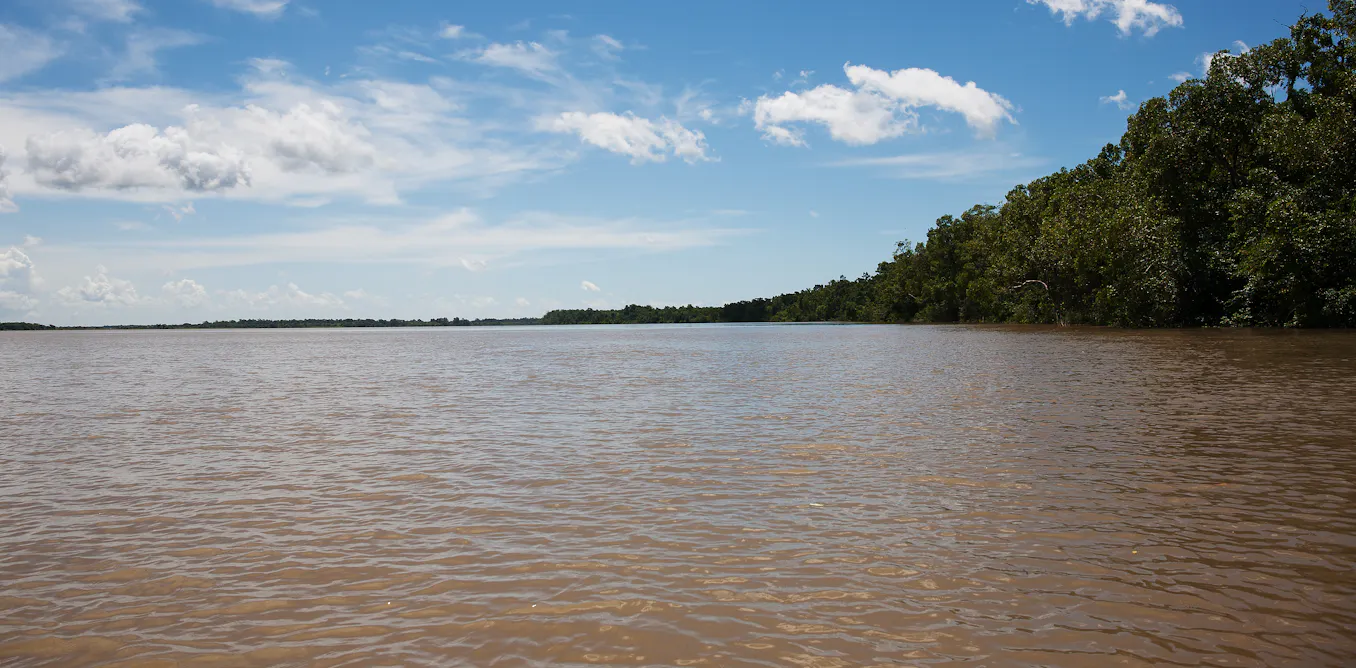
In the Brazilian Amazon, water is not simply a natural resource. For many rural communities, it shapes mobility, livelihoods, food systems, and everyday life. In the Amazon River delta, the Marajó Archipelago – the world’s largest fluvio-marine archipelago – rivers, floodplains, and wetlands are deeply intertwined with the ways people inhabit and experience the territory. Yet, despite living in one of the most water-abundant regions on Earth, thousands of families still lack access to safe drinking water and basic sanitation.
This paradox is not simply a consequence of environmental conditions. It reflects political choices about infrastructure, territorial investment, and water governance.