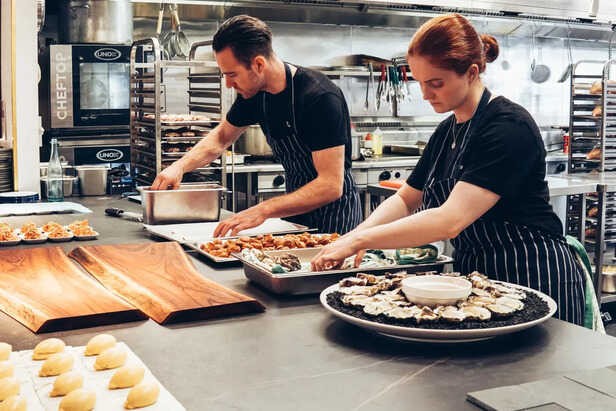
Have you ever taken a bite of a restaurant meal and wondered why it tastes so much better than the version you make at home? It is a question that many people ask after attempting to recreate a favourite dish using the same ingredients and recipe. Surprisingly, the difference often has less to do with culinary talent and more to do with the environment, techniques, and resources available in professional kitchens. From how ingredients are prepared to how meals are served, several factors influence flavour perception. Understanding them helps explain why restaurant food often leaves such a strong impression.

Professional Kitchens Are Built for Consistency
One major reason restaurant food often tastes different is the environment in which it is prepared.
Professional kitchens are specifically designed for cooking large quantities of food while maintaining consistency. Chefs use equipment that can achieve temperatures and cooking conditions that are difficult to replicate in a typical home kitchen.
Commercial ovens, grills, fryers, and stovetops are often more powerful than household appliances. This allows chefs to create textures, caramelisation, and cooking results that contribute to flavour.
In restaurants, many people have tried recreating their favourite restaurant dishes at home, only to wonder why the result tastes different. The answer is not always better ingredients or secret recipes. Restaurants often combine professional techniques, carefully selected ingredients, specialised equipment, and a thoughtfully designed dining experience. Even factors such as presentation, atmosphere, and expectations can influence how food is perceived. Understanding these elements reveals why restaurant meals often seem more satisfying and flavorful, while also showing that homemade food offers unique advantages that restaurants cannot easily replicate.
also rely on systems and procedures developed through repetition. Many dishes are prepared hundreds or even thousands of times. Through experience, kitchen staff learn exactly how long to cook ingredients, when to season them, and how to maintain quality.
This consistency helps create meals that meet customer expectations every time they are ordered.
Restaurants Often Use More Fat, Salt, and Sugar
Carefully balanced seasoning can significantly affect how flavours are perceived.
One of the least surprising but most important reasons restaurant food often tastes richer is the generous use of ingredients that enhance flavour.
Professional chefs frequently use more butter, oil, salt, and sugar than many people would use at home. These ingredients help amplify flavours, improve texture, and create a more satisfying eating experience.
Salt enhances natural flavours and helps ingredients taste more vibrant. Fat carries flavour compounds and creates a richer mouthfeel. Sugar can balance acidity and bitterness, even in savoury dishes.
This does not mean restaurant food is unhealthy by default. However, restaurants often prioritise taste and customer satisfaction, while home cooks may focus more on nutrition, budget, or convenience.
As a result, restaurant dishes can sometimes feel more indulgent and memorable.
Fresh Preparation Makes a Difference
Many restaurants prepare ingredients throughout the day rather than relying entirely on pre-made components.
Fresh herbs, vegetables, sauces, and proteins are often prepared close to serving time. This helps maintain texture, aroma, and flavour quality.
A freshly chopped herb, for example, releases aromatic oils that contribute to a dish's overall taste. Similarly, freshly prepared sauces often provide brighter and more balanced flavours than versions stored for long periods.
While many home cooks also use fresh ingredients, busy schedules sometimes make convenience a priority. Frozen items, pre-packaged ingredients, and leftovers are practical choices but may not always deliver the same sensory experience.
Fresh preparation is not the only factor affecting taste, but it can contribute to the overall difference people notice.
Chefs Understand Flavour Balance
Great cooking is not just about following recipes. It often involves understanding how flavours interact.
Professional chefs spend years learning how sweetness, saltiness, acidity, bitterness, and richness influence one another. Small adjustments can significantly change how a dish tastes.
For example, a squeeze of lemon may brighten a heavy dish. A small amount of salt can enhance sweetness. A touch of acidity can make flavours feel more vibrant and balanced.
This attention to detail is often developed through training and repetition.
Home cooks may follow recipes accurately but still miss subtle adjustments that experienced chefs make instinctively. These refinements can influence how satisfying a dish feels overall.
The difference is often not dramatic, but multiple small improvements can combine to create a noticeably better result.
Presentation Changes Perception
Taste is not determined solely by what happens on the tongue.
Research in food psychology suggests that appearance can influence flavour perception. People often form expectations about food before taking their first bite.
Restaurants understand this well. Plates are often arranged carefully to highlight colours, textures, and visual contrast. Garnishes, serving dishes, and portion placement all contribute to presentation.
When food looks appealing, many people anticipate enjoying it more. This expectation can shape the overall dining experience.
At home, meals are often served quickly and practically. There is usually less emphasis on presentation because the focus is on convenience rather than visual impact.
Yet even simple changes in plating can sometimes make homemade meals feel more enjoyable.
The Dining Environment Matters
Atmosphere can influence how people experience food and social connection.
The restaurant experience extends beyond the food itself.
Lighting, music, décor, aromas, and social interactions all contribute to how a meal is perceived. These elements create an environment designed to encourage enjoyment and relaxation.
Many people visit restaurants during celebrations, gatherings, dates, or special occasions. Positive emotions can enhance the overall experience and influence how food is remembered.
At home, meals are often eaten while multitasking, working, studying, or watching screens. The focus may be divided among several activities.
This difference in environment can affect how much attention people give to their food and how strongly they remember the experience afterwards.
Sometimes what people remember as an amazing flavour is actually a combination of taste, atmosphere, and emotion.
The Power of Anticipation
Psychology plays a surprisingly important role in eating.
When people spend money on a restaurant meal, wait for their order, and anticipate a special experience, their expectations often increase. Anticipation can make food feel more rewarding once it arrives.
Similarly, ordering a favourite dish creates excitement that may enhance enjoyment.
Home-cooked meals, by contrast, involve preparing the food yourself. You see every ingredient, every cooking step, and every mistake along the way. The sense of novelty is often reduced.
This does not mean restaurant meals are objectively better. It simply highlights how expectations can influence perception.
Human beings do not experience food through taste alone. Emotions, memories, and anticipation all contribute to the final experience.
Homemade Food Has Its Own Advantages
Homemade meals offer comfort, personalisation, and emotional value.
While restaurant food often receives praise for flavour, homemade food offers benefits that should not be overlooked.
Home cooking allows complete control over ingredients, portion sizes, and nutritional choices. Meals can be customised according to personal preferences and dietary needs.
Homemade food also carries emotional significance. Family recipes, cultural traditions, and shared cooking experiences often create memories that restaurants cannot replicate.
Many people associate certain homemade meals with comfort, nostalgia, and connection.
These emotional qualities may not always make food taste more intense, but they contribute to a different kind of satisfaction that is equally valuable.
The comparison between restaurant and homemade food is not necessarily about which is better. Instead, each offers a unique experience.
More Than Just the Food
Restaurant food often tastes better because it combines several advantages at once. Professional equipment, experienced chefs, fresh preparation, balanced seasoning, thoughtful presentation, and carefully designed environments all contribute to the experience.
At the same time, psychology plays a larger role than many people realise. Expectations, atmosphere, emotions, and anticipation can shape how flavour is perceived just as much as ingredients themselves.
Yet homemade food remains special for reasons that go beyond taste. It offers familiarity, personalisation, and emotional connection that no restaurant can fully reproduce. In the end, the difference is not simply about who cooks better. It is about the unique experiences that both restaurant meals and homemade dishes bring to the table.
Unlock insightful tips and inspiration on personal growth, productivity, and well-being. Stay motivated and updated with the latest at My Life XP.