Get all your news in one place.
100's of premium titles.
One app.
Start reading
The Economic Times
The Economic Times

These oysters cannot be harvested. They still returned $1.70 for every $1 invested

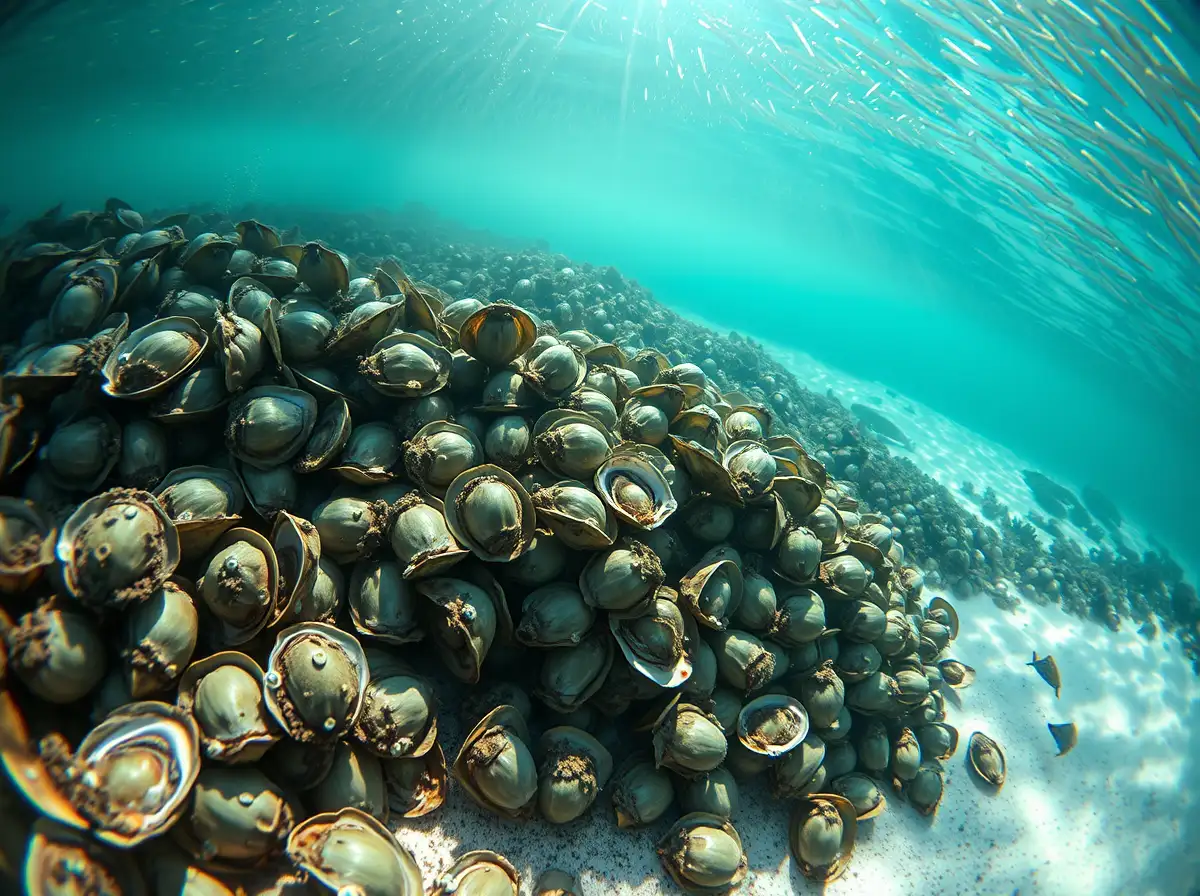
North Carolina’s oyster restoration efforts follow a strange logic. Some protected oysters are banned from harvest, so fishermen cannot catch them, but they still help support the economy.

A 400-acre network of oyster sanctuaries in Pamlico Sound generated about $1.70 in economic and environmental benefits for every $1 invested in restoration, according to an assessment highlighted by NOAA Fisheries.

A $20 million investment

The Senator Jean Preston Oyster Sanctuary Network received about $20 million in investment between 2013 and 2023. The restoration work supported 143 jobs, generated $34 million in revenue and delivered $8.7 million in employee wages and benefits, according to the assessment.

NOAA Marine Habitat Resource Specialist Stephanie Krug says, “Investing in oyster reef restoration means investing in all of the benefits these reefs provide and the benefits of the restoration work itself.”

So, how do protected oysters make money?

The answer is reproduction.

The protected reefs provide a safe place for oysters to grow and reproduce. NOAA estimates that the sanctuary network now protects nearly 350 million oysters.

Although the restored sanctuaries make up only about 6% of the oyster-reef footprint in Pamlico Sound, they produce roughly 25% of its oyster larvae.

The oysters help replenish other reefs

Those tiny larvae do not stay on the protected reefs. Carried by water currents, they can settle elsewhere in the Sound, including on reefs where oysters can eventually be harvested.

In other words, the oysters inside the sanctuary can help support the wider fishery without ever ending up in a harvest basket. But the value of these reefs may not stop with the oyster fishery.

Research published in 2026, which looked at oyster-reef studies from around the world, found that reefs can help take some of the force out of waves, hold sediment in place and reduce shoreline erosion.

How much protection they provide, however, depends on where and how the reef is built. Factors such as wave exposure, reef height, tidal conditions and the design of the reef all matter.

In Georgia, reefs cut wave energy by up to 40%

There is already some evidence of this on the ground. In Georgia, a 2025 study found that constructed oyster reefs cut wave energy by as much as 40% compared with sites without reefs.

North Carolina is expanding the oyster network

North Carolina is continuing to build on its restoration programme. The state is working to expand the sanctuary network to 500 acres, backed by additional federal funding.

For a project that began with rebuilding oyster habitat, the economic return is much broader — from supporting fisheries to potentially helping communities deal with the growing pressure on coastal shorelines.

Sign up to read this article
Read news from 100's of titles, curated specifically for you.
Already a member? Sign in here
Related Stories
Top stories on inkl right now
One subscription that gives you access to news from hundreds of sites
Already a member? Sign in here
Our Picks
Fourteen days free
Download the app
One app. One membership.
100+ trusted global sources.