
Get all your news in one place.
100’s of premium titles.
One app.
Start reading
Kids Ain't Cheap
Kids Ain't Cheap
Latrice Perez

Why Private School Tuitions Are driving Families into Debt in 2026

private school tuitions

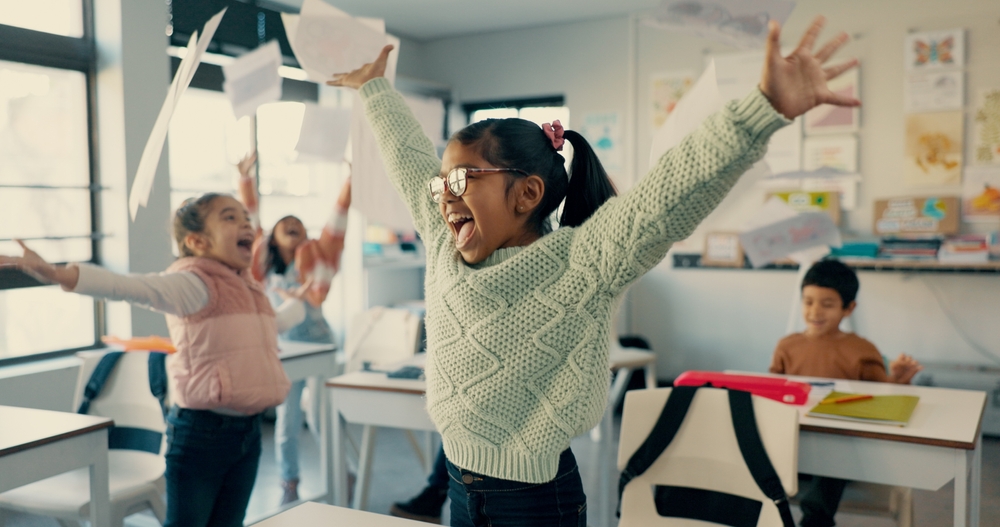
Image source: shutterstock.com

Imagine paying more for your child’s kindergarten than you would for an Ivy League university. For thousands of American families, this unthinkable milestone has become a daily financial reality. As of 2026, the average private school tuition in the United States is closing in on 50,000 dollars a year for day schools. This isn’t just a hurdle for the ultra-wealthy; it is a systemic crisis that is driving even upper-middle-class households into deep, long-term debt. Today, we are pulling back the curtain on the hidden arms race that is inflating costs and why your family’s future might be at risk.

The Hidden Arms Race of Campus Facilities

Honestly, the primary driver behind these skyrocketing costs is a relentless competition for a shrinking pool of students. To stay relevant, private schools are investing millions into upgraded athletic complexes, STEM centers, and wellness facilities. Surprisingly, tuition now covers roughly 73% of a school’s operating budget, meaning you are directly funding these massive capital improvements. This ‘amenity inflation’ forces schools to hike rates by 4% to 5% every single year, far outpacing the standard Consumer Price Index. The latest financial reports show that boarding schools have reached even more staggering heights, often exceeding 75,000 dollars annually.

Furthermore, the cost of attendance extends far beyond the headline tuition figure. Many schools are now adding mandatory technology assessments that range from 300 to 800 dollars per student. Capital improvement fees can easily add another 2,500 dollars to your annual bill. On the other hand, the cost of transportation and specialized academic support often remains hidden until after you’ve signed the contract. These ‘add-ons’ can increase the total cost of attendance by 20% to 35% above the published rate. Here’s the truth: the system is designed to lock you into a lifestyle that your base salary can no longer support.

The Psychology of the ‘Education Debt Trap’

Many parents feel a crushing sense of social pressure to provide a ‘premium’ education, regardless of the financial toll. In 2026, nearly 55% of private school parents report high levels of stress regarding affordability. However, only about 12% of these parents are currently using formal loans for tuition. The real debt is hiding in home equity lines of credit and credit card balances that are being used to cover daily living expenses. Consequently, families are sacrificing their own retirement security to pay for their children’s secondary schooling. This shift creates a ‘generational wealth gap’ that will haunt these households for decades.

To avoid this trap, you must scrutinize the financial aid transparency of any institution you consider. Only nine out of ten parents use financial aid as their primary funding source, yet many are afraid to ask for it. Surprisingly, some states like Florida and Arizona now offer ‘School Choice’ vouchers or Education Savings Accounts that can provide a few thousand dollars in relief. However, these programs rarely cover the full gap for the most expensive schools. You need to look past the branding and evaluate whether the ‘specialized instruction’ is worth the risk of a zero-balance retirement account.

Redefining Value in Education

Providing the best for your child is a noble goal, but it should not come at the expense of your financial survival. By understanding the forces driving tuition hikes, you can make a more balanced decision for your family’s future. Do not let the allure of elite facilities blind you to the long-term debt that accompanies them. Instead, consider whether a high-quality public option supplemented by enrichment might be a more sustainable path. You have the power to define what a ‘good education’ looks like without sacrificing your peace of mind. Stay focused on your long-term goals and remember that your financial stability is the greatest gift you can give your child.

Are you feeling the pinch of private school tuition this year, or have you found a way to make it more affordable? Leave a comment below and share your budgeting secrets.

What to Read Next…

The post Why Private School Tuitions Are driving Families into Debt in 2026 appeared first on Kids Ain't Cheap.

Sign up to read this article
Read news from 100’s of titles, curated specifically for you.
Already a member? Sign in here
Related Stories
Top stories on inkl right now
One subscription that gives you access to news from hundreds of sites
Already a member? Sign in here
Our Picks
Fourteen days free
Download the app
One app. One membership.
100+ trusted global sources.