The organ that makes it possible
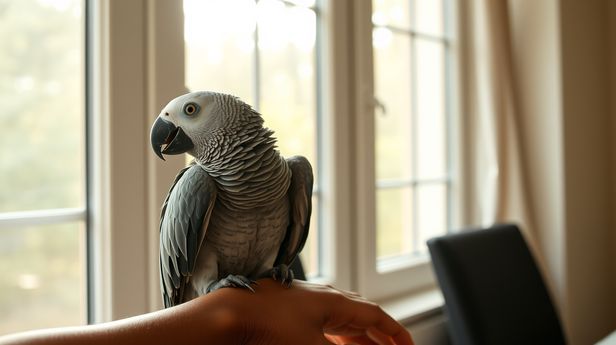
Parrots are the only birds whose vocal anatomy allows them to approximate human consonants and vowels with any real precision. The key is the syrinx, the avian equivalent of a larynx, located at the base of the trachea where it forks into the two bronchi. In most songbirds, the syrinx produces sound through membrane vibration. In parrots, the syrinx is paired with an unusually thick, muscular tongue that reshapes the oral cavity in real time, the same way a human tongue does when switching between vowel sounds. A 2004 study published in PLOS Biology by Gabriel Beckers and colleagues confirmed that parrots actively modulate their tongue position to produce speech-like formants, the acoustic signatures that distinguish one vowel from another. No other non-human animal does this with anything close to the same control.