
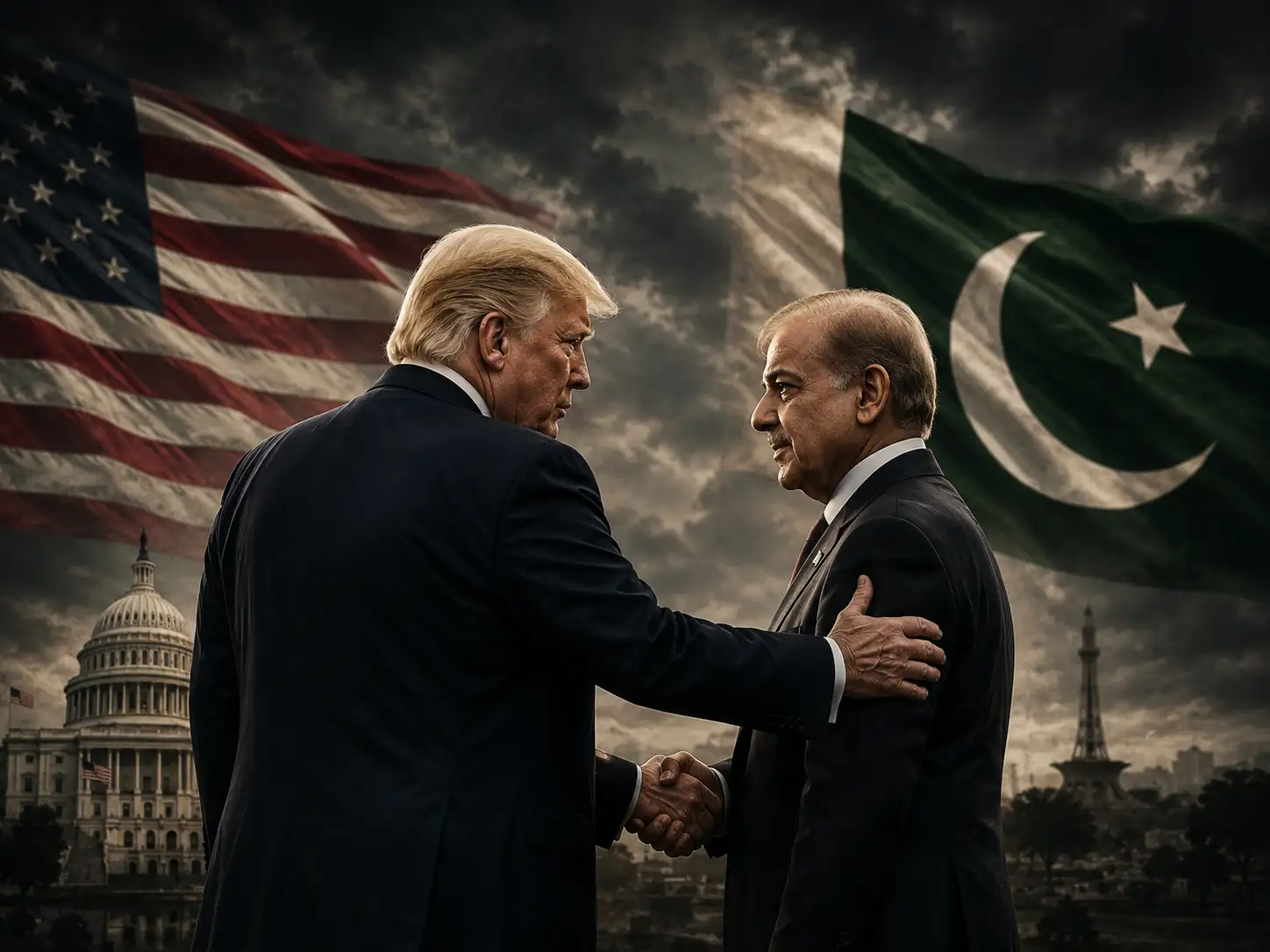
Pakistan’s relationship with the US has long rested on a paradox that successive American administrations understood but rarely resolved. For more than two decades after 9/11, the US publicly described Pakistan as a critical ally in the war on terror while privately accusing sections of the Pakistani security establishment of sheltering, enabling or strategically tolerating the very militant groups killing American soldiers in Afghanistan.
A latest CBS report, citing anonymous US military officials, says that Pakistan allowed Iranian military aircraft access to its airfields while simultaneously projecting itself as a mediator once again revives the familiar question -- why has the US repeatedly looked away while Pakistan played its double game? The answer lies in the uneasy mixture of geopolitics, military dependence, nuclear anxieties and American strategic pragmatism. Pakistan’s conduct during the war on terror was not viewed in the US as an isolated betrayal but as part of a longstanding pattern in which Pakistan cooperated with the US where its interests aligned but undermined US objectives where they diverged. American policymakers might think that an unreliable Pakistan is still preferable to a hostile or destabilised Pakistan.













