Get all your news in one place.
100’s of premium titles.
One app.
Start reading
The Times of India
The Times of India
World
TOI World Desk

Why Japan keeps the world’s third-largest strategic Oil reserve

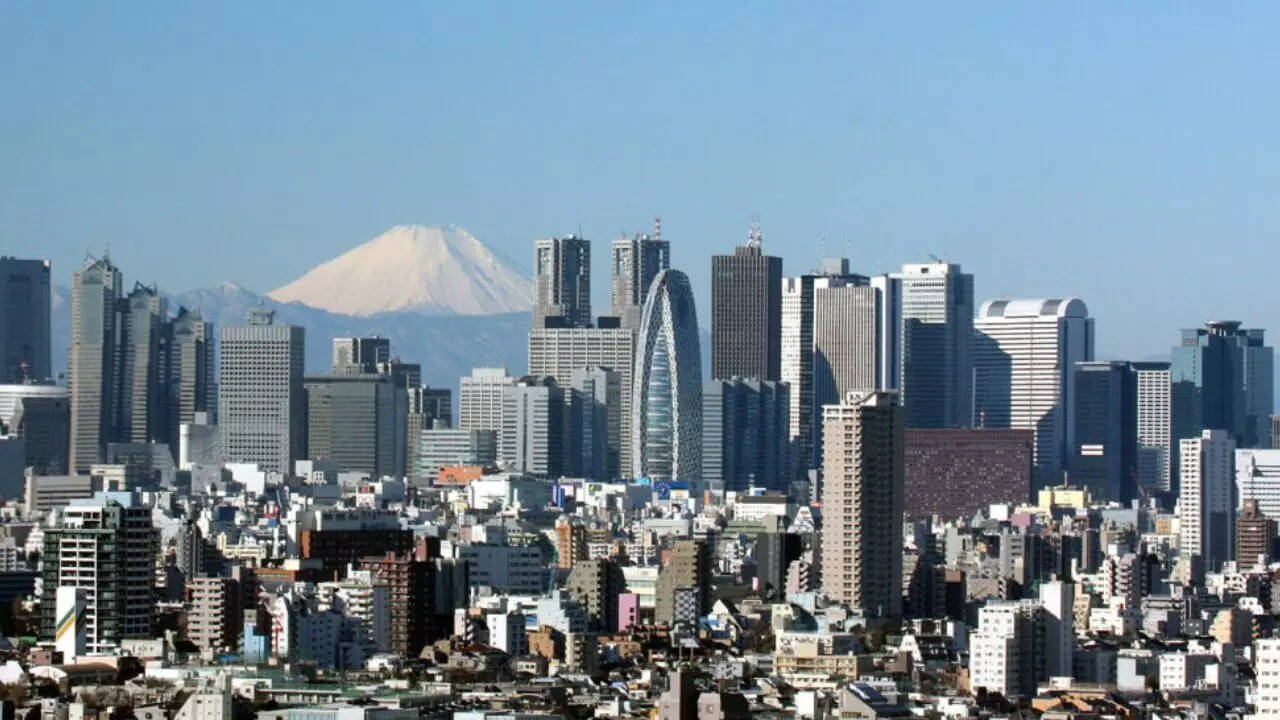
As global energy markets face unexpected imbalance due to the Middle East rising tensions, Japan prepares to release oil to maintain surging costs. Holding the third-largest strategic reserve globally, as stated by the International Energy Agency (IEA), Japan's massive 254-day buffer serves as a critical shield against supply shocks. While nations like India and China bolster their holdings, Japan’s readiness signifies its extreme 95% dependency on Middle Eastern crude oil.

The government has already signalled technical preparations at national storage sites. Industry data from the International Energy Agency (IEA) confirms Japan’s ranking, just behind the US and China. This strategic move shows their domestic security; a coordinated release from the third-largest strategic reserve could provide the necessary liquidity to suppress global price hikes and reassure nervous investors during the ongoing Middle East tensions.

Three-tier defence: How Japan’s oil stockpile works

According to the CSR Journal, to guard against catastrophic supply disruptions, Japan look after one of the largest emergency oil stockpiles worldwide. Unlike other countries that rely only on government tanks, Japan uses a unique three-tier system that ensures that the oil remains available for several months within the country, even if global shipping routes like the Strait of Hormuz are completely blocked.

According to the Japan Organisation for Metals and Energy Security (JOGMEC), the first tier consists of National stockpiles, which are massive, in this, the state-owned oil reserves stored at specialised bases across the country. The second tier involves private-sector inventories, where, as per the Oil Stockpiling Act, Japanese oil refiners and importers are legally authorised to maintain a specific amount of crude oil to support immediate national needs.

The third tier includes joint reserves with oil-producing nations, a unique collaborative strategy where Japan provides storage space to nations like the UAE and Saudi Arabia in exchange for priority access to that oil during a national emergency.

Why imports are Japan’s economic backbone

Japan is an industrial backbone with a critical geographical reality; it possesses almost no domestic fossil fuel resources. To keep its global factories operating, high-speed transport systems moving, and massive cities powered, Japan’s dependency rises almost entirely on foreign energy. Experts from the International Energy Agency (IEA) estimate that Japan imports approximately 90–95% of the energy it consumes, which makes it one of the most resource-dependent nations worldwide.

Without a constant flow of tankers, factories like Toyota and Panasonic would face production backfire, and the national power grid would come under sudden pressure. Because of this extreme vulnerability, the Ministry of Economy, Trade and Industry (METI) has long treated energy imports as a high-stakes matter of national security rather than a simple commercial transaction.

Can Japan’s 254-day stock prevent a global energy crisis

Japan’s massive 254-day strategic oil reserve is often called the "Gold Standard" of energy security. While it is designed primarily to protect Japan’s own industrial companies like Toyota and Panasonic, its role in preventing a global energy crisis is more about psychological market stabilisation than just replacing every lost barrel of oil.

Sign up to read this article
Read news from 100’s of titles, curated specifically for you.
Already a member? Sign in here
Related Stories
Top stories on inkl right now
One subscription that gives you access to news from hundreds of sites
Already a member? Sign in here
Our Picks
Fourteen days free
Download the app
One app. One membership.
100+ trusted global sources.