
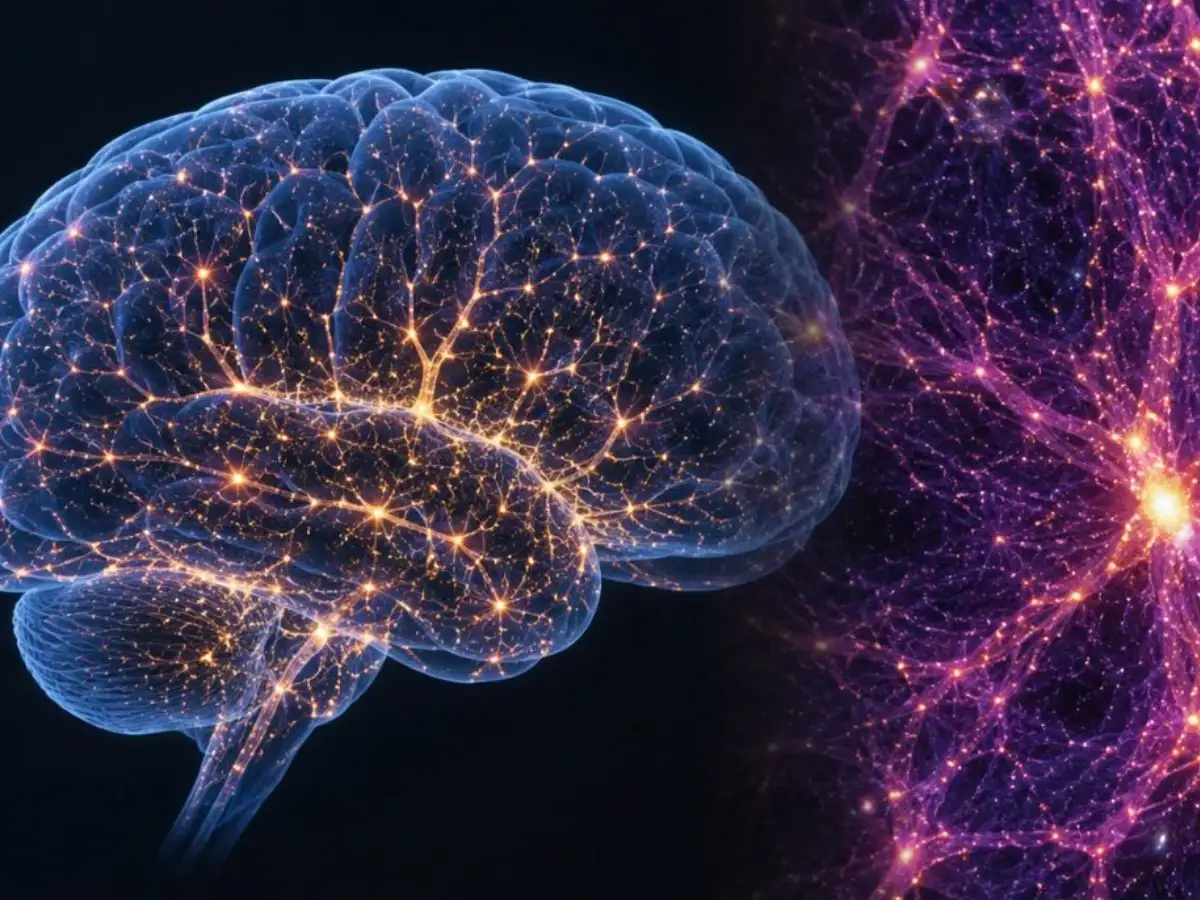
What makes the human brain so unusually complex may have something to do with a surprisingly slow biological process.
Scientists at Columbia University's Zuckerman Institute have identified evidence that a human-specific gene influences the development of microglia — immune cells in the brain that play a crucial role in shaping neural connections. Unlike comparable cells in mice, human microglia can take four to eight years to reach maturity, according to findings reported by ScienceDaily.














