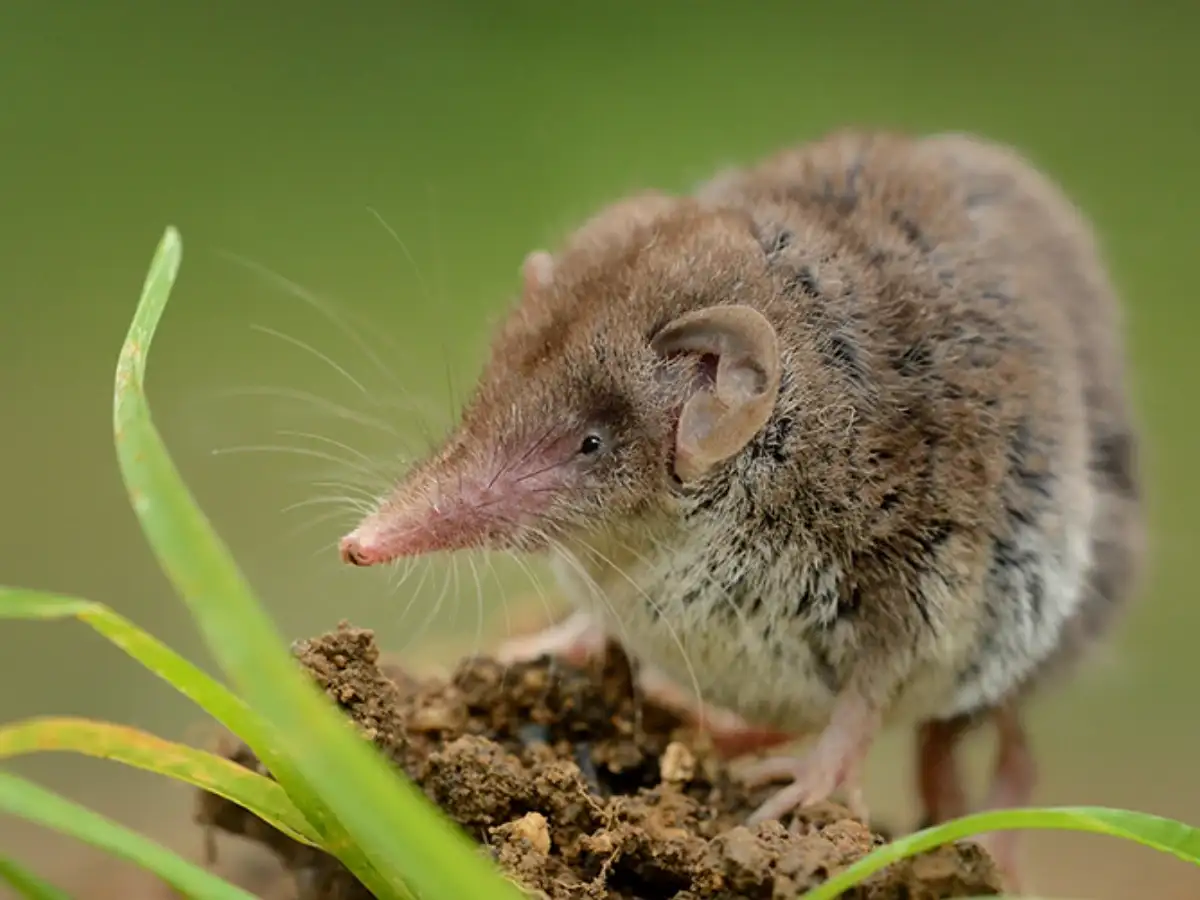
A tiny Japanese mammal is showing scientists that surviving winter can require some unusual biological trade-offs. Researchers have found that long-clawed shrews grow wider and taller snouts during the coldest months, even as their brains and the surrounding skull become smaller.
The unexpected seasonal change was discovered in 136 skull specimens of long-clawed shrews collected on Japan's Hokkaido island. The finding adds a new twist to Dehnel's phenomenon, a rare adaptation in which shrews and some other small mammals reduce the size of their brains, skulls and other tissues during winter.