
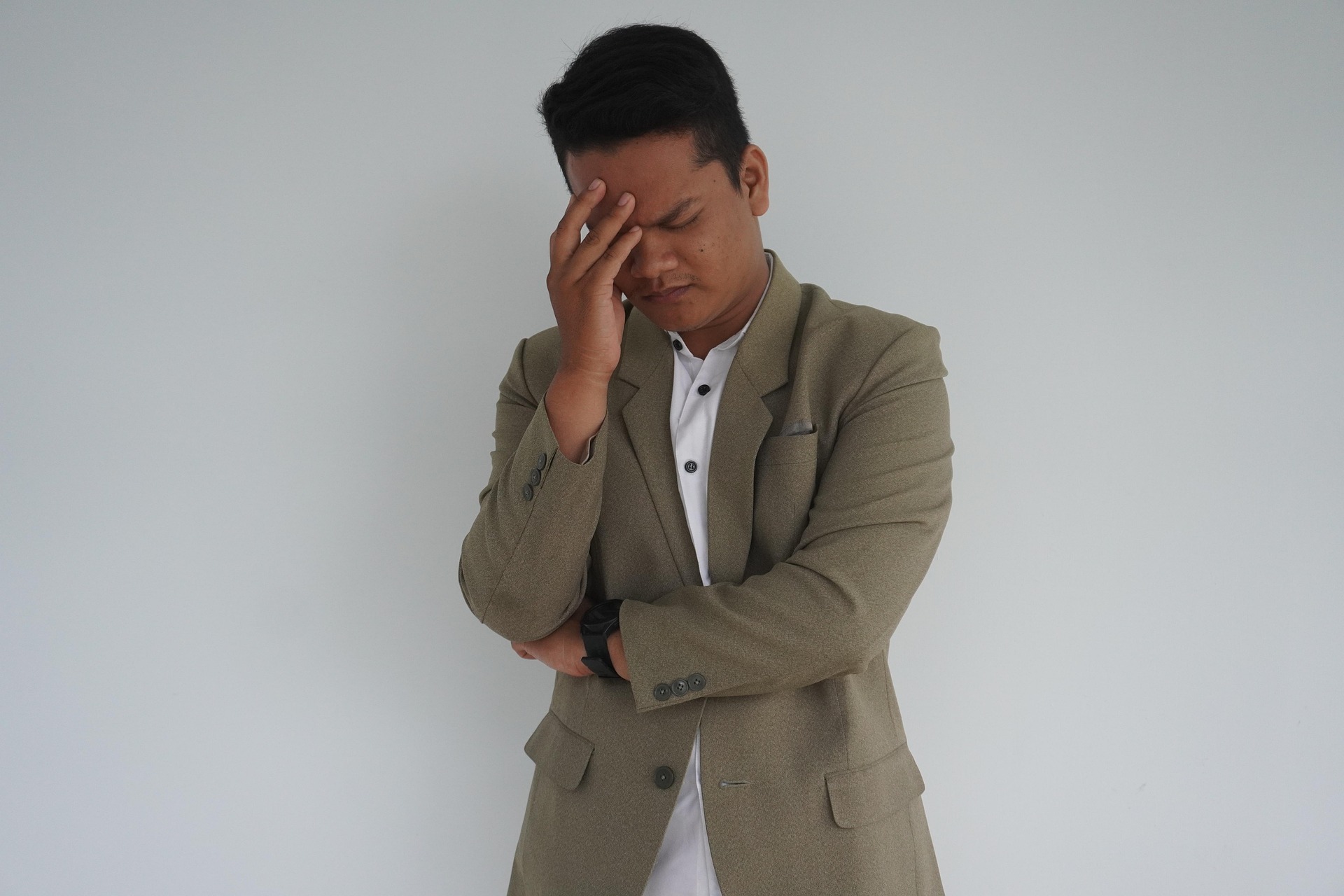
Image source: Pixabay
Dizziness after a concussion is rarely just a "headache" issue; it is a sign that your brain is struggling to reconcile sensory data. When vestibular, visual, or neck-related signals misalign, your brain works overtime to keep you oriented—showing up as spinning, unsteadiness, or nausea that keeps you from moving through your day.
Understanding which of these pathways is disrupted is the first step toward moving beyond "wait and see" recovery.
Understanding Why Dizziness Can Follow a Concussion
A concussion can change how your brain processes motion, which is a big reason dizziness shows up afterward. You may feel imbalance during walking, a spinning sensation with head turns, or visual strain when you’re trying to focus.
The inner ear helps detect movement, but your eyes and body also contribute “map data” about where you are. When that information doesn’t line up, your brain has to work harder to stay oriented, and the extra effort can feel like dizziness.
Understanding the mechanism helps clinicians move past “wait and see.” It also explains why personalized evaluation of vestibular and visual function can guide rehabilitation toward the right fix.
How Vestibular Dysfunction Can Cause Post-Concussion Dizziness
Post-concussion dizziness can be vestibular when the vestibulo-ocular reflex does not stabilize your gaze during head movement. Instead of a steady visual target, eye and inner-ear signals misalign, so head turns feel like the world is moving.
Clinical research shows that vestibular deficits are among the primary drivers of lingering discomfort, with secondary issues like Benign Paroxysmal Positional Vertigo (BPPV) developing in roughly 20% to 38% of head injury cases.
That pattern may show up with specific triggers: You may notice:
- Dizziness with head turns
- Rocking or unsteadiness on uneven ground
- Brief spinning after certain positions like rolling in bed
Clinicians can screen vestibular contributors and decide whether symptoms fit conditions like unilateral vestibular dysfunction or BPPV. Once the source is identified, rehab exercises can directly target gaze stability and balance.
The Role of Vision in Concussion-Related Dizziness
Your eyes help your brain lock onto a fixed target so your body can stay oriented. After concussion, problems with tracking, focusing, or eye teaming can make it harder to stabilize your gaze.
When that happens, you might feel “floaty,” off-balance, or like the environment is swaying. Even turning your head or shifting attention to different objects can trigger the sensation.
Because vision and balance are linked, clinicians often consider ocular function when dizziness lingers. That can explain why some people feel better when their visual system is properly assessed.
The Link Between Neck Injuries and Post-Concussion Dizziness
Even mild whiplash-type strain can travel with a concussion. The neck works like a motion sensor, sending your brain updates about movement and body position every time you shift or rotate.
If those signals are altered by soreness or reduced motion, your brain has to reconcile conflicting information. That struggle can feel like rocking, swaying, or nausea when you look around, especially quickly.
A useful clue is whether neck discomfort seems to “ride along” with:
- Dizziness that peaks during head turns
- Tightness that limits comfortable neck range
- Dizziness that changes with how you sit or stand
Treatment and Care
Recovery for post-concussion dizziness works best when the plan matches what’s driving the symptoms. That usually means looking beyond the word “headache” and assessing balance, vision, and neck-related factors that affect orientation.
Clinics such as StabilityLAB handle these vestibular and neurological contributors with non-invasive, evidence-based care. Their specialized concussion care for recovery helps retrain stability for everyday tasks like walking through stores, looking around, and making turns.
A good care plan keeps you moving safely and gradually while tracking how dizziness responds over time. When symptoms don’t trend better, reevaluation helps pinpoint what still needs support.
Getting Back to Normal Motion
Many people assume dizziness will fade automatically after a concussion, but persistent symptoms usually point to an ongoing mismatch in how motion and vision are processed. Addressing that mismatch can make recovery feel more like progress and less like guessing.
As you track your dizziness triggers, it becomes easier to select the right support and pacing. If the condition starts limiting normal life, it’s reasonable to seek professional guidance to review the cause and improve next steps.













