
In mythology, the weak often triumph over the strong, revealing a profound spiritual truth. The Gita and ancient texts explain that Dharma, or cosmic law, is about balance, justice, and divine timing, not just power. Favoring the weak maintains harmony, teaches humility, and fulfills unseen cosmic plans. Life’s challenges are designed to cultivate wisdom, patience, and moral growth. By observing how the weak succeed, humans learn to trust divine justice, act righteously, and embrace lessons beyond immediate understanding. Dharma reminds us that true victory comes from virtue, not sheer strength.
Strength is Not Always Justice

Dharma teaches that true justice is not measured by strength or power alone. While the strong may dominate physically, moral integrity, humility, and truth determine the rightful outcome. The Gita emphasizes that actions aligned with righteousness outweigh mere force. Favoring the weak restores balance, corrects arrogance, and protects harmony in society and nature. Life often rewards ethical conduct over physical might, showing that divine wisdom operates beyond appearances. Understanding this principle inspires patience, fairness, and compassion. Embracing Dharma’s lessons helps humans act righteously, navigate challenges wisely, and create positive energy in every aspect of life.
Divine Plans Are Beyond Human Understanding

Sometimes Dharma supports the weak to fulfill a divine plan that humans cannot see. The Gita teaches that cosmic order is beyond personal understanding. What may appear unfair often serves a higher purpose, shaping balance, justice, and spiritual lessons. Life’s challenges are designed to prepare the world for harmony and wisdom. Trusting divine guidance helps humans accept outcomes with patience, clarity, and gratitude. By embracing this unseen order, we learn resilience, humility, and insight. The weak may rise to fulfill greater roles, showing that divine wisdom always guides life toward balance.
Humility is a Key to True Power
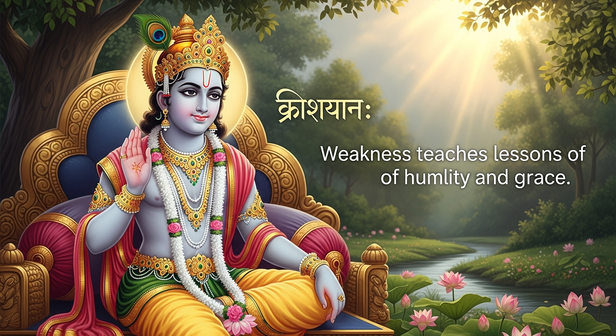
By favoring the weak, Dharma teaches humility to the strong. The Gita explains that power without wisdom can become destructive. Mythology shows that even mighty warriors face setbacks that teach important lessons. True success comes from inner strength, discipline, and humility rather than arrogance or domination. Weakness becomes a teacher, guiding the strong to act with compassion, patience, and responsibility. Embracing these lessons allows humans to grow spiritually and emotionally. Dharma’s guidance ensures that challenges develop character, foster resilience, and prepare individuals for lasting success while maintaining balance and fairness in life.
Challenges Reveal Hidden Strengths
When the weak are favored, their hidden potential comes alive. The Gita teaches that challenges reveal inner strength, courage, and resourcefulness. Adversity becomes a teacher, showing that even those with little power can rise to greatness. Weakness encourages growth, creativity, and resilience, transforming limitations into opportunities. Dharma’s guidance ensures that every struggle has meaning, helping humans develop wisdom and purpose. By embracing difficulties with patience and determination, people unlock talents and insights they might never have discovered otherwise. Life’s trials become a path for spiritual growth, empowerment, and lasting achievement.
Balance Maintains Cosmic Harmony
Dharma maintains balance in the universe by guiding justice beyond mere strength or power. Favoring the weak prevents exploitation, inequality, and chaos, ensuring fairness for all. The Gita teaches that harmony and righteousness matter more than dominance or control. Every act of true justice aligns with cosmic order, creating stability and trust. Even the strong are bound to respect this balance, fostering compassion, empathy, and ethical behavior. By understanding and following Dharma, humans learn patience, responsibility, and moral clarity. Life becomes a reflection of fairness and spiritual wisdom, turning challenges into lessons of growth and integrity.
Lessons for Humanity
Observing how Dharma favors the weak teaches humans patience, trust, and the value of righteous living. The Gita explains that outcomes are often beyond immediate understanding, yet moral and ethical actions remain our highest duty. Life presents challenges designed to cultivate wisdom, empathy, and spiritual growth. By trusting the unseen cosmic order, humans learn resilience and clarity in difficult times. Every struggle becomes an opportunity to strengthen character and develop inner harmony. Dharma guides us toward balance, fairness, and ethical living, ensuring that even hardship contributes to lasting spiritual and personal growth.
Dharma teaches humans to act righteously
Dharma sometimes favors the weak to maintain balance, teach humility, and reveal hidden strength. The Gita and mythology show that true justice goes beyond power, control, or physical might. When humans embrace these lessons, they develop patience, trust, and a deeper understanding of life’s rhythms. Recognizing the unseen cosmic design helps navigate challenges with wisdom, faith, and compassion. Every struggle becomes an opportunity for growth and spiritual insight. By learning from divine justice and the triumphs of the weak, humans cultivate empathy, resilience, and moral strength that last a lifetime.
Unlock insightful tips and inspiration on personal growth, productivity, and well-being. Stay motivated and updated with the latest at My Life XP.
Frequently Asked Questions (FAQs)
1. Why does Dharma sometimes favor the weak over the strong?Dharma favors the weak to maintain balance, teach humility, and reveal hidden strength. The Gita and mythology show that true justice goes beyond physical power and rewards actions aligned with righteousness.
2. How does favoring the weak teach humility?
When the strong are checked and the weak are supported, it reminds humans that arrogance and unchecked power have limits. Humility grows through these divine lessons in justice.
3. Can the weak gain hidden strength through Dharma?
Yes. Challenges and divine support reveal courage, resilience, and inner wisdom. Weakness often becomes a source of spiritual growth and personal empowerment.
4. What does the Gita say about justice and power?
The Gita emphasizes that moral action, truth, and righteousness define true justice. Power alone cannot guarantee the right outcome or divine favor.
5. How can humans apply these lessons in modern life?
By practicing fairness, compassion, and humility, humans can navigate challenges wisely. Observing Dharma’s principles encourages empathy, patience, and responsible decision-making.
6. Is the favor of Dharma predictable?
No. Dharma follows cosmic balance, not human expectations. Outcomes may appear surprising, but they serve higher purposes for growth, wisdom, and harmony.