Get all your news in one place.
100's of premium titles.
One app.
Start reading
The Times of India
The Times of India
World
TOI World Desk

Why California just returned 136 acres of protected coastline to Indigenous tribes, know what this historic decision means

Every piece of land has a history that predates modern civilisation. While some was forest, another was inhabited by generations of tribes who had created their entire life around it. However, the forces of colonisation and development forced upon them the rules that never applied to them in the first place, like giving up their land to government authorities.

Get breaking news anytime, anywhere. Download the TOI app now!
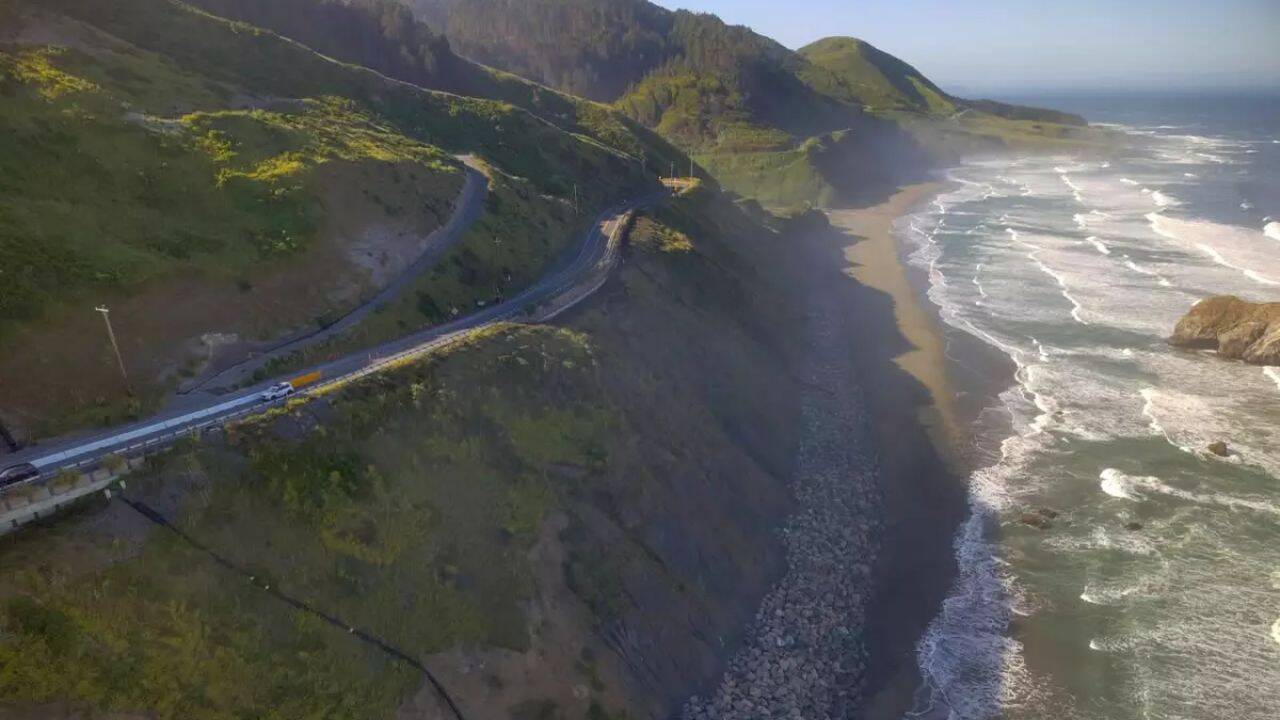
Now in a landmark judgement, California has returned 136 acres of rugged Mendocino County coast to the Indigenous nations whose ancestors once stewarded its shores. State transportation officials recently approved the transfer of Blues Beach and the surrounding bluffs to Kai Poma, a nonprofit founded by representatives of the Sherwood Valley Band of Pomo Indians, Round Valley Indian Tribes and Coyote Valley Band of Pomo Indians.

The transfer of this land just south of the community of Westport will mark the first time land managed by the California Department of Transportation has been returned to Indigenous Tribes. "This is beyond huge," said J. Carlos Rivera, tribal chairman of the Sherwood Valley Band of Pomo Indians. “It’s enormous from our tribal perspective that we are basically obtaining the land that our people once lived on before colonisation.”

Protecting heritage land

California purchased the swath of rocky cliffs and windswept shoreline in the 1960s to expand the construction of Highway 1 and create a scenic viewpoint for highway travellers, according to the California Coastal Commission report.

But recently, public access to the area has been largely unregulated. During summer weekends and holidays, large groups have drawn up who camp and party on the beach, at times driving through sensitive areas and damaging cultural sites while also leaving behind trash, the report added.

The effort to acquire the land took years and required an edit in the state law. Caltrans lacked the ability to transfer the land to the tribal government until 2021. That year, Governor Gavin Newsom signed a bill sponsored by state Senator Mike McGuire (D-Healdsburg) that enabled the transfer, as per the news release issued at the time. The law also bars commercial activity on the property and requires public access to be maintained.

“With 136 acres now officially transferred into tribal stewardship, one of the most spectacular stretches of the Mendocino Coast will be forever protected,” McGuire said in a statement. The land transfer cleared its last regulatory hurdle on June 26 with the approval by the California Transportation Commission, said Neil Thapar, an attorney who works as an advisor and legal consultant to Kai Poma. With the commission’s approval complete, Caltrans staff are expected to record the deed transferring the property from the state to Kai Poma.

Now, Kai Poma plans to conduct cultural and archaeological resource studies and environmental surveys to then prepare a resource management plan for the property, according to planning documents. The nonprofit and the Coastal Commission have drafted a public access management plan that states the land will be open from sunrise to sunset.

Rivera described the entire property as a sacred site. The tribal people use the coastal water for seaweed and abalone gathering and the shores host youth cultural camps, he shared. "Protecting the land has a deeper meaning for us because we're connected to the land."

Sign up to read this article
Read news from 100's of titles, curated specifically for you.
Already a member? Sign in here
Related Stories
Top stories on inkl right now
One subscription that gives you access to news from hundreds of sites
Already a member? Sign in here
Our Picks
Fourteen days free
Download the app
One app. One membership.
100+ trusted global sources.