Get all your news in one place.
100's of premium titles.
One app.
Start reading
The Conversation
The Conversation
Alex Newman, Postdoctoral Research Associate, Sustainability Assessment at the Grantham Centre, University of Sheffield

Why burning waste to power a giant greenhouse really could be a greener way of growing food

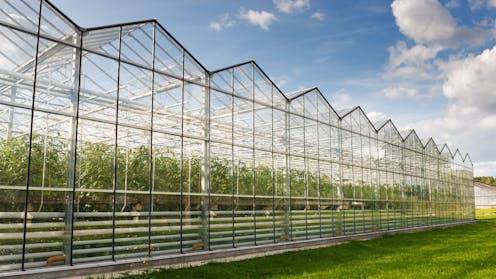
Tomatoes could be grown at an industrial scale using heat generated from burning household waste in Essex, UK. Jenoche/Shutterstock

A new project in Bradwell, Essex, aims to change how we grow food and how we deal with our rubbish. Slated to begin operations in 2027, the Rivenhall greenhouse project could become Europe’s largest low-carbon horticulture facility.

While smaller scale applications already exist, primarily in the Netherlands, a proposal of this size is ambitious: to use heat from waste incineration to power and warm a massive 40-hectare greenhouse to produce up to 30,000 tonnes of tomatoes a year (around 6% of the UK’s current consumption).

Sign up to read this article
Read news from 100's of titles, curated specifically for you.
Already a member? Sign in here
Related Stories
Top stories on inkl right now
One subscription that gives you access to news from hundreds of sites
Already a member? Sign in here
Our Picks
Fourteen days free
Download the app
One app. One membership.
100+ trusted global sources.