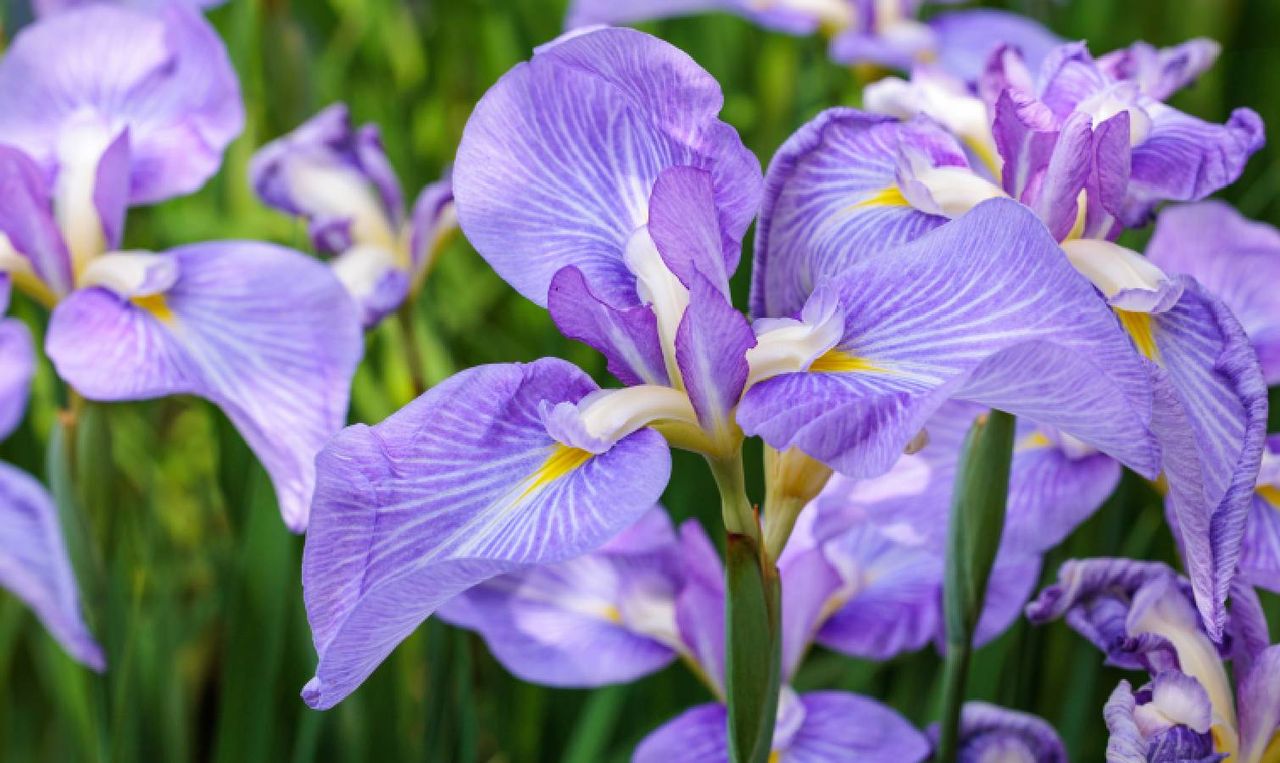
There's something quietly defeating about walking past your garden bed in spring, seeing a flush of green leaves reaching upward, and waiting for flowers that never come. Irises are dramatic, gorgeous bloomers, and when they go silent, it's worth figuring out why.
Almost without exception, the culprit isn't disease or pests. It's a shift in growing conditions — something that's crept up gradually and can, with a little patience, be undone. Just be prepared: irises work on their own timeline.
Whatever you correct this season, you're gardening for next year's blooms. Here's why your irises aren't blooming and how to fix it.
1. They've outgrown each other
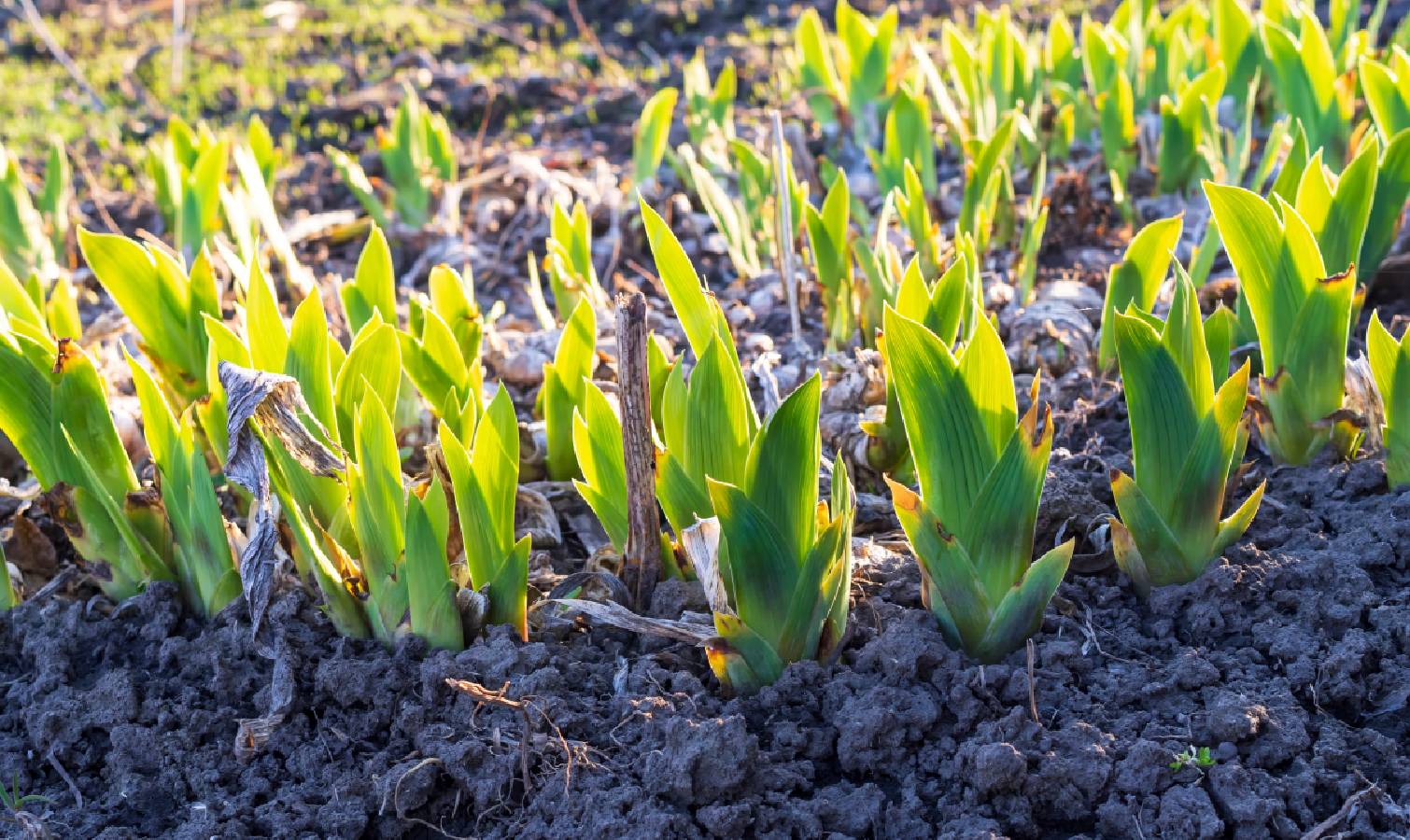
Irises are sociable plants, until they're not. Over time, the rhizomes underground multiply and crowd together until they're competing for every bit of nutrients and space. The foliage keeps going, but the flowers quietly disappear.
Every three to four years, dig the whole clump up after blooming finishes in late summer. Separate the rhizomes where they naturally pull apart, toss anything soft or questionable, and give the healthy ones room to breathe — about 12 to 18 inches apart. They'll need a full season to settle in before they flower again, but they will.
2. They're buried too deep
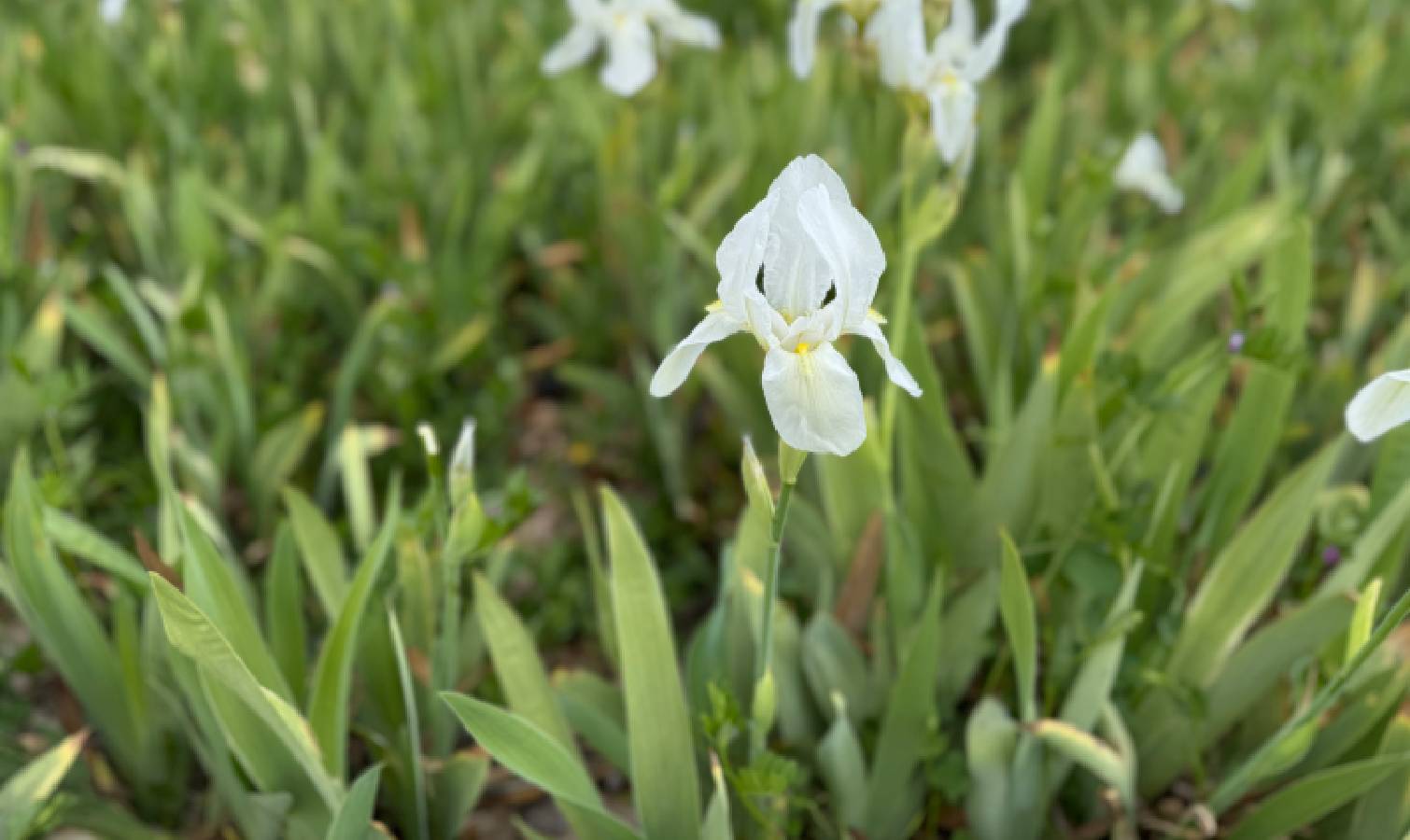
Irises like to sunbathe. Their rhizomes want to sit near the surface, tops exposed to open air, not tucked underground like a bulb. Plant them too deep and they'll sulk indefinitely and produce all leaves, no flowers.
When you replant, set the rhizome so only its roots and the bottom inch are actually in the soil. The top should be visible, almost proud. Skip the mulch on top of it, which traps moisture and invites rot. Also, make sure to water around it, not over it.
3. The light situation has changed
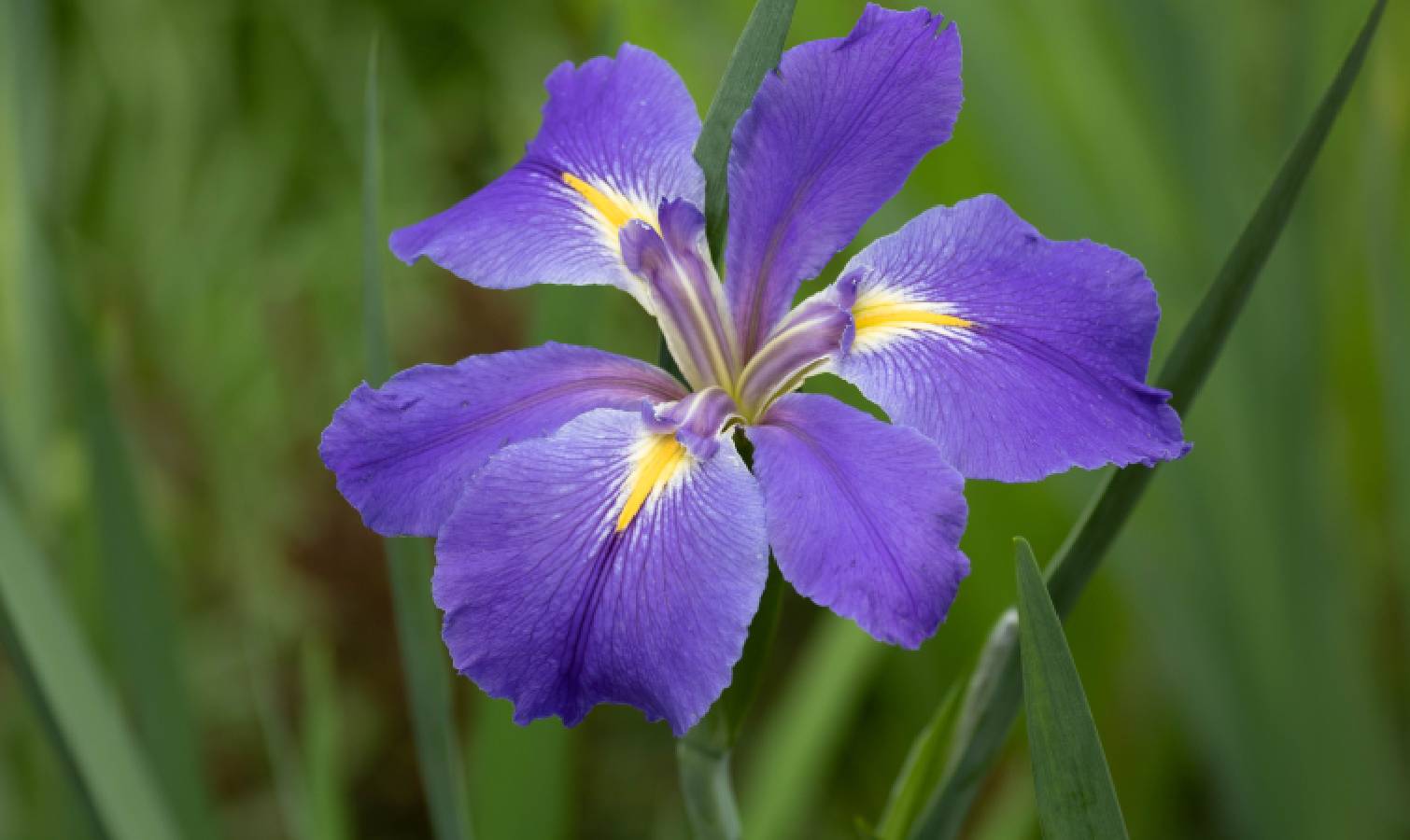
Full sun means full sun — six to eight hours of it, daily. Irises will grow happily in partial shade, but they won't bloom there. And what was once a sunny corner of the garden can shift as trees fill in and shrubs get bigger over the years.
Take an honest look at how much direct light your irises are actually getting now versus when they last bloomed well. Sometimes the fix is trimming back a branch or two. Sometimes it means moving the whole patch to a better spot.
4. They got thirsty at the wrong moment
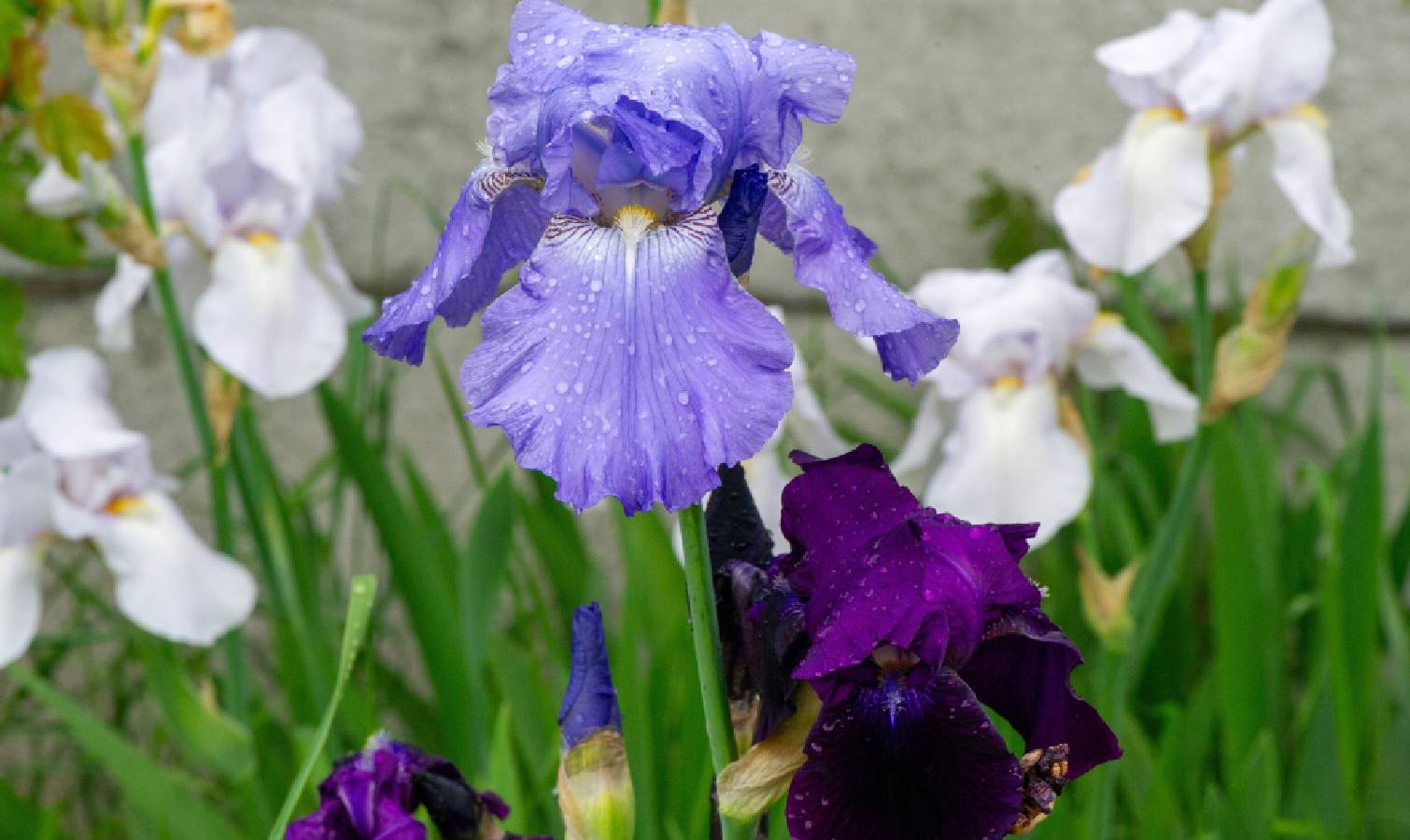
Irises are famously drought-tolerant once established, but that reputation can lead gardeners to ignore them entirely in late winter and early spring, which is exactly when the plants are quietly forming flower buds.
If rainfall is light, water them twice a week during those early months, checking that the top few inches of soil aren't completely dry. Deep, infrequent watering beats a daily sprinkle. And as mentioned earlier, always water around the rhizomes and not directly on them.
5. Too much of a good thing
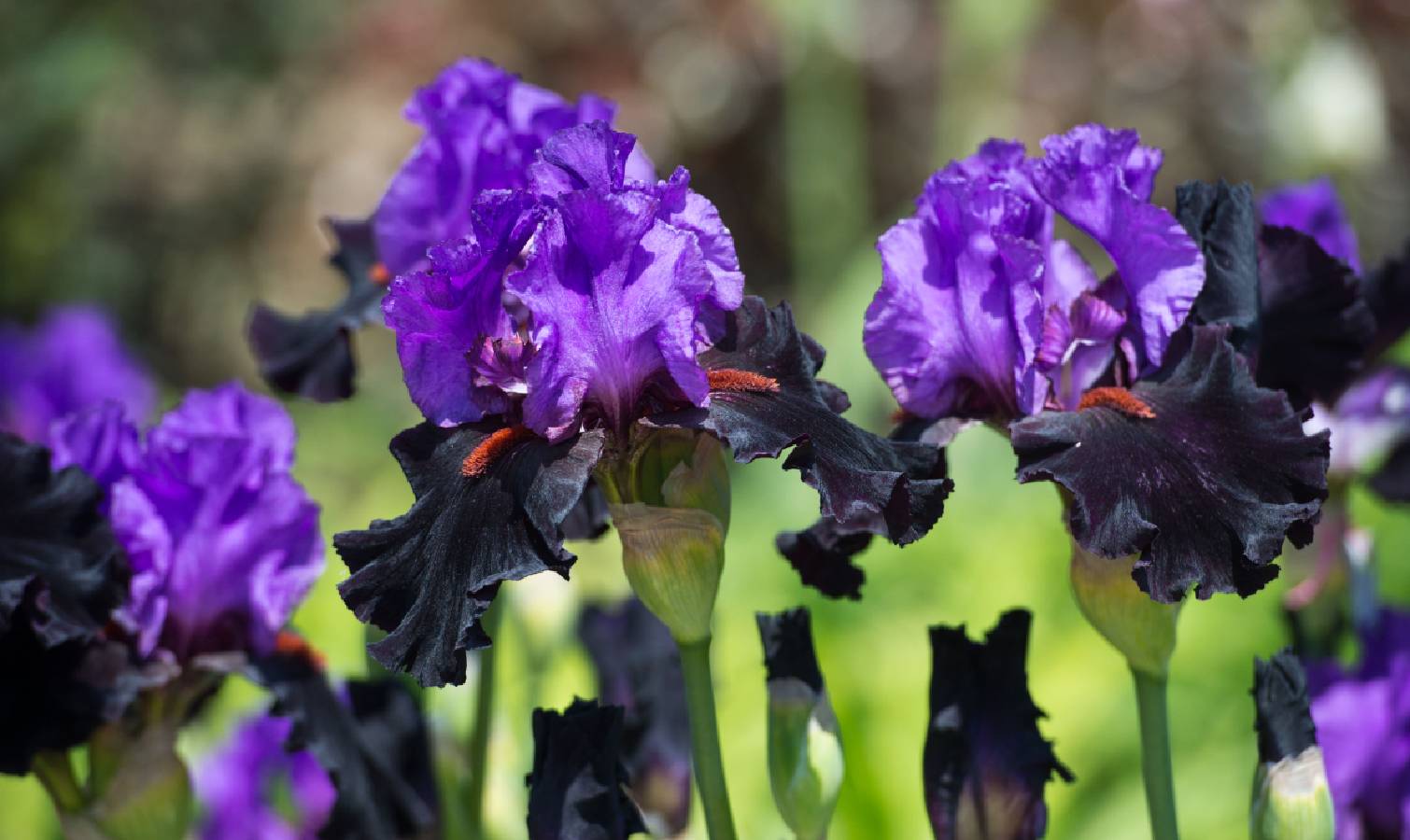
A nitrogen-heavy fertilizer will give you the most lush, beautiful iris foliage you've ever seen. It will also rob you of every single flower. Nitrogen pushes leafy growth and what irises need for blooming is phosphorus.
If your irises are near a lawn that gets regularly fertilized, that runoff may be enough to tip the balance. For established plants, a light application of something like a 5-10-10 formula in early spring, and again after blooming, is plenty. Or simply work in some compost when you divide and replant. Irises don't need much.