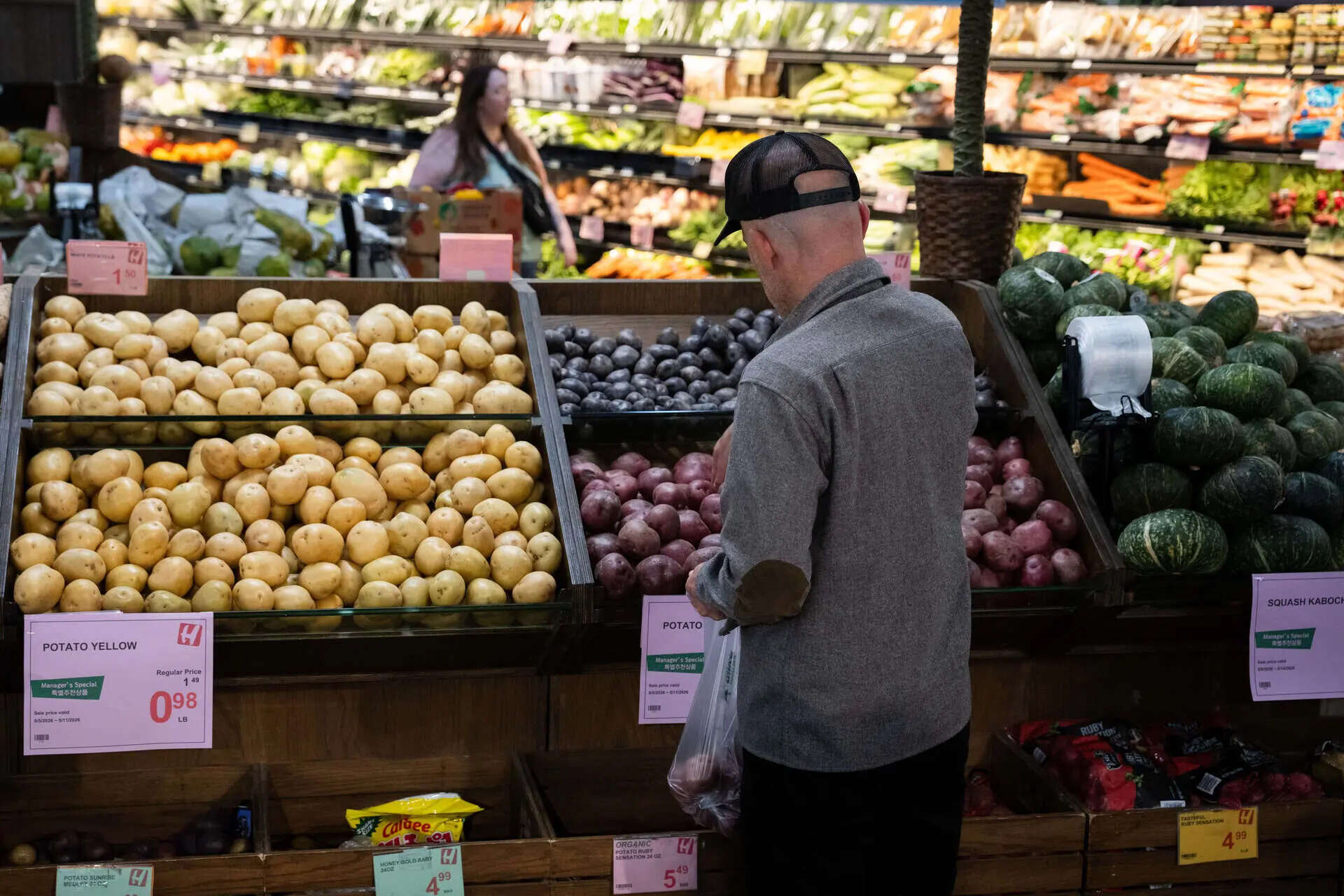
Of every dollar Americans spend on food, the farmer who grew it keeps about twelve cents, down from nearly fifteen two decades ago. At the grocery checkout the share is a little higher, closer to eighteen cents, but the picture is the same: a thin and shrinking cut for the people at the start of the chain. More than eighty cents on the dollar is absorbed somewhere in the long passage from field to shelf, and how much of that is earned, against how much is simply wasted, has quietly become one of the more important questions behind the price of food.
The usual explanations are inflation and corporate greed, and neither is wrong. Grocery prices climbed by roughly a quarter between late 2019 and early 2023, the sharpest stretch in four decades, and while the rate has since eased to under 3 percent a year, the cumulative rise still stings at the register. But a meaningful part of that eighty-cent middle is neither inflation nor profit. It is waste of the ordinary, fixable kind, the sort that builds up when the machinery linking the companies that make food to the stores that sell it has been left a generation behind.