
Get all your news in one place.
100’s of premium titles.
One app.
Start reading
Creative Bloq
Creative Bloq
Technology
Hayley Sivner

Why adverts are no longer just about seeing

Dodge the finger campaign in a gaming style.

In recent years, brand communications have been engineered for the eye: scroll-stopping visuals, thumb-friendly formats, a world where attention is treated as a scarce commodity. The problem is that humans don’t actually live in a feed. We experience the world through smell, sound, touch and space. And we remember it through those cues, not just through what we see.

That’s why multi-sensory advertising is having a moment. It isn’t simply 'cool tech'; it’s a return to embodied attention – the kind you can’t easily mute, skip or shrink to a corner of your screen. We'll be expecting to update our best adverts of the 2020s list with more multi-sensory offerings soon.

Separating progress from gimmick

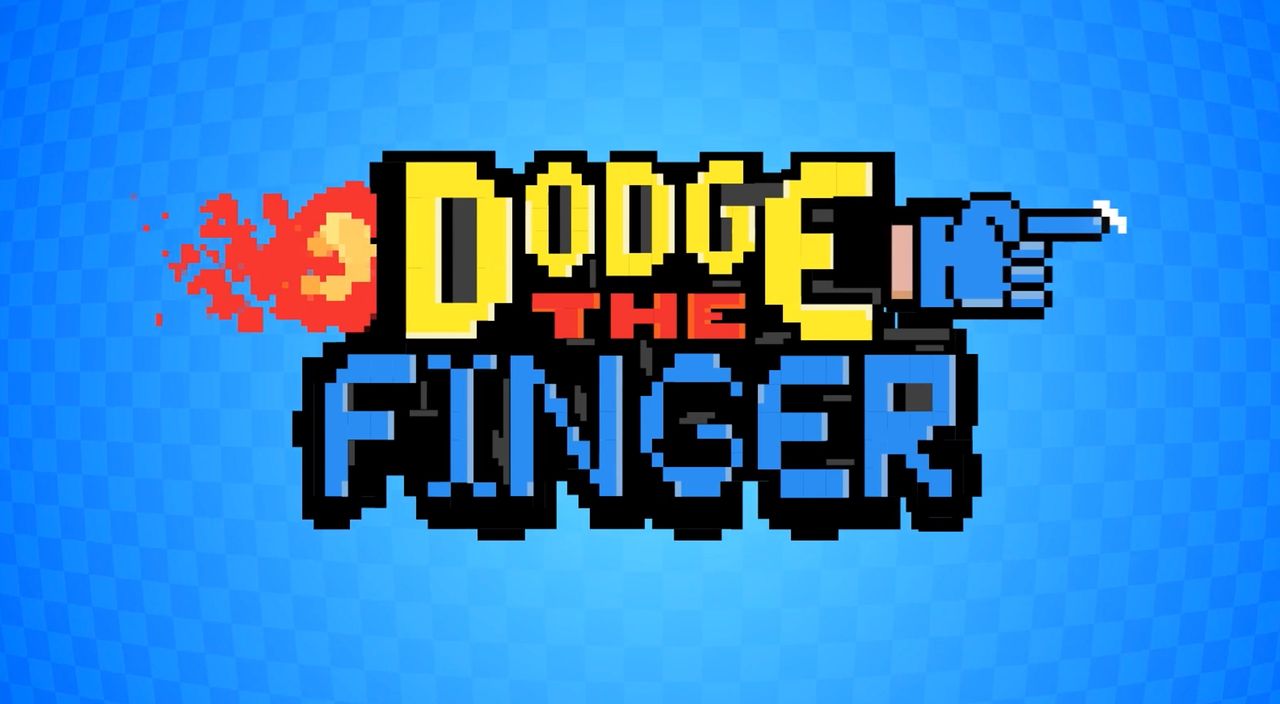
Prost8’s Dodge the Finger campaign (Image credit: Prost8)

Is this the future? Possibly…but only if we’re honest about what’s actually changing. The future isn’t a parade of stunts where every brand adds scent or sound because it’s available. The future is brands building and deploying distinctive sensory assets with the same rigour they apply to every other aspect of their brand.

Our two recent campaigns illustrate what this shift can look like when it’s done with purpose.

Prost8’s Dodge the Finger campaign takes a widespread misconception – that prostate checks involve “a finger up the bottom” – and turns it into an interactive digital OOH game, controlled (literally) by the player’s physical bottom. Players dodge a rocket-powered finger, collect 'peaches' that deliver educational facts, and end with a photo/leaderboard mechanic.

Recognised by Ocean Outdoor’s European Grand Prix, the campaign shows how multi-sensory ads change how an audience quite literally feels about a message, not just their awareness of it.

Likewise, PAPYRUS’ living poster uses facial detection to dramatise emotional masking: a young person appears visibly sad, but when someone looks, she “puts on a brave face” and performs happiness. The point isn’t novelty; it’s to make an invisible behaviour suddenly visible and prompt the conversations that too often don’t happen.

The hard truth: sensory advertising can become intrusive fast

PAPRYUS' living billboard (Image credit: PAPYRUS)

But like any creative tool at our disposal, just because we could doesn’t mean we should. Sensory cues work best when they behave like brand assets, not one-off features. If a brand has no established sonic, tactile, or olfactory associations, then a single sensory activation will struggle to feel anything other than a marketing gimmick.

What’s more, the senses aren’t neutral territory. The same mechanics that make sensory work powerful also make it easy to overreach.

Add sound to a public space and you compete with people’s right to quiet. Add scent and you collide with allergies, sensitivities, and consent. Add interactivity and you risk friction.

In other words, the line between 'immersive' and 'intrusive' is thin and brands cross it when they prioritise spectacle over relevance.

So what guardrails should brands be considering?

Three tests for getting it right

The meaning test: does the sense add message, not just memorability?

Prost8’s 'bottom-powered' interaction isn’t a random gag; it’s a humorous inversion of the myth the campaign is trying to dismantle. PAPYRUS’ reactive poster isn’t there to show off facial detection; it’s there to embody emotional suppression. If the sensory layer can be removed without changing the meaning, it’s decoration.

The distinctiveness test: could a competitor run the same idea?

If yes, you’re buying a format, not building a brand asset. The strongest sensory work behaves like a brand code – recognisable even without a logo.

The consent test: can people choose engagement, and can they avoid it?

This is where many 'immersive' builds fail. Public space is shared space. Good sensory work is designed for opt-in: short dwell times, clear signalling and restraint on intensity.

So, what comes next?

Multi-sensory advertising is absolutely part of what’s next. But the future isn’t every poster becoming interactive, scented and noisy. The winners won’t be the brands that activate the most senses. They’ll be the ones that understand why sensory cues work, choose them with restraint, and craft them into durable brand properties that are recognisable, repeatable and distinctly theirs.

Find out more about engaging one of the senses with an audio logo.

Sign up to read this article
Read news from 100’s of titles, curated specifically for you.
Already a member? Sign in here
Related Stories
Top stories on inkl right now
One subscription that gives you access to news from hundreds of sites
Already a member? Sign in here
Our Picks
Fourteen days free
Download the app
One app. One membership.
100+ trusted global sources.