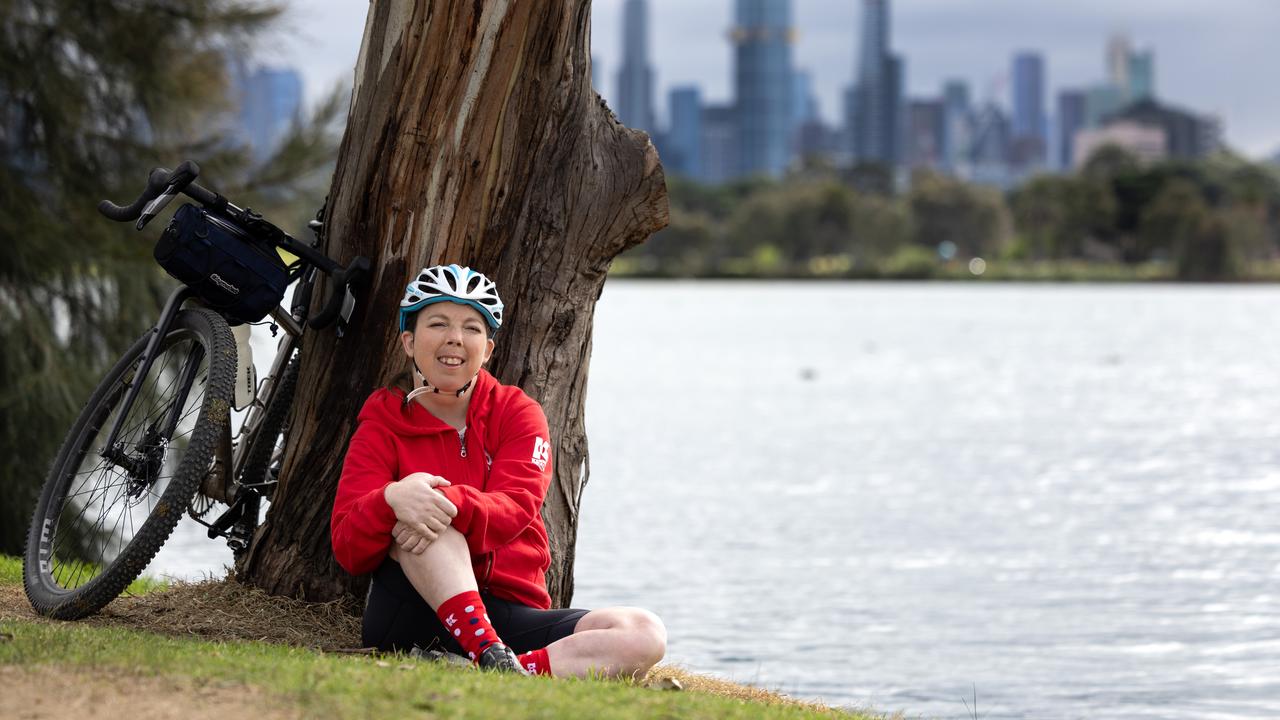
Tamaryn Stevens knows what it is to spend hours tethered to a dialysis machine, too exhausted for school and with much of ordinary life put on hold.
The worst part is thirst.
At just 12 years old and in kidney failure, she was allowed just 700ml of fluid a day.
Water counted. Milk counted. Even the juice inside a piece of fruit counted.
And when her body screamed at her to drink, she had to ignore it.
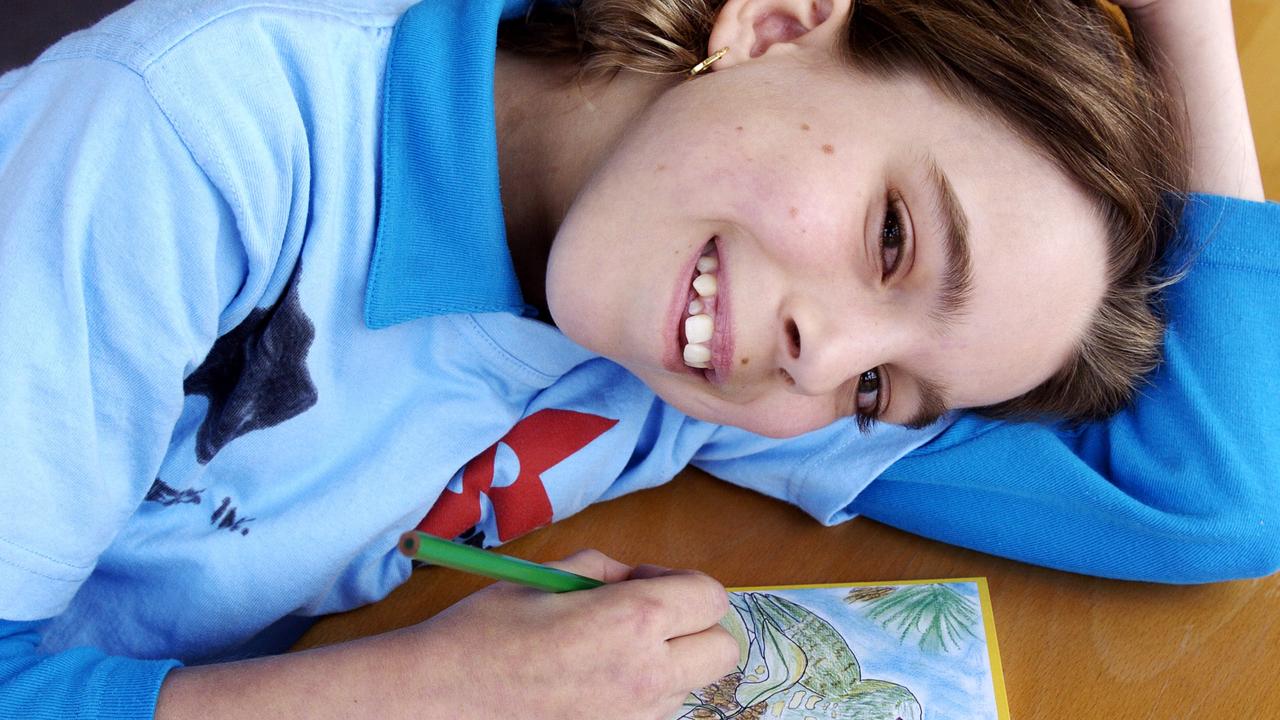
"No one who hasn't gone through it understands that the fluid restrictions are awful," Ms Stevens tells AAP.
"Your body thinks it's really dry and it will tell you you're so thirsty but you're actually easily overloaded."
It was one of the crueller realities of a disease that transformed a "happy and healthy" child always running around and climbing trees into one who would spend much of her early high school years too sick to attend class.
Ms Stevens was diagnosed with kidney disease at 10 after her mother noticed puffiness around her face and eyes.
Her health deteriorated quickly and by the time she was turning 12, she was in hospital twice a week for protein infusions.
Then her kidneys failed.
She underwent haemodialysis in hospital three days a week before eventually moving to peritoneal dialysis at home.
She was exhausted and estimates she attended only about 10 days in her first three years of high school.
At 13 came the prospect of a way out: her mother donated one of her own kidneys. Her mum going under the knife was "the most scared I'd been up to that point in my journey", she says.
But it worked.
Ms Stevens threw herself back into life, returning to school and sport and, after illness had stripped away much of her muscle mass, began riding a bike to build it back.
Cycling eventually took her to the World Transplant Games, where she became a world champion in 2017.
But as Ms Stevens is quick to emphasise, a transplant is a treatment, not a cure.
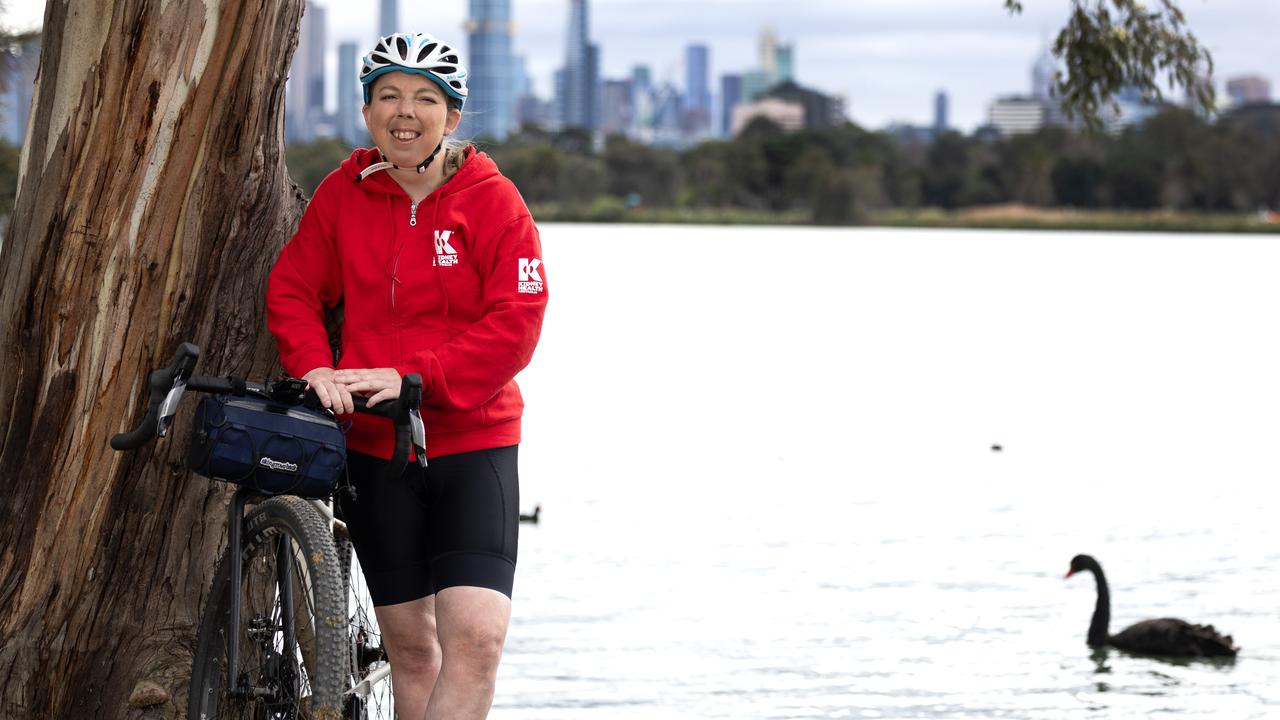
After years of chronic rejection and medication toxicity, her mother's kidney failed in 2019, and Ms Stevens found herself back on dialysis as an adult.
Right about the same time, a certain pandemic was sweeping the globe.
Immunocompromised and needing support with dialysis, she moved back in with her parents as the world shut down around her.
She only had to wait nine months until her doctor called late one Tuesday evening to say there was a match.
Receiving the kidney during Melbourne's COVID-19 lockdown meant crossing the city's "ring of steel" and going into hospital alone. Her mother dropped her at the door and she wouldn't see her family again for a week.
When the kidney was slow to start working, requiring Ms Stevens to undergo one final dialysis session, she gave it a nickname: Dopey.
"My little coping mantra in the hospital was just, it's just a little dopey, it'll be fine," she says.
Six years later, Dopey is still going.
Ms Stevens, now 35, says she and Dopey operate at fairly low kidney function and she cannot physically keep up with everyone anymore.
But she rides her bike, works, teaches knitting and gets to live her life.
And these days, she needs to drink rather than deny herself water.
"I'm working and I'm doing things I love and I'm getting to experience and live my life and I'm really, really quite happy," she says.
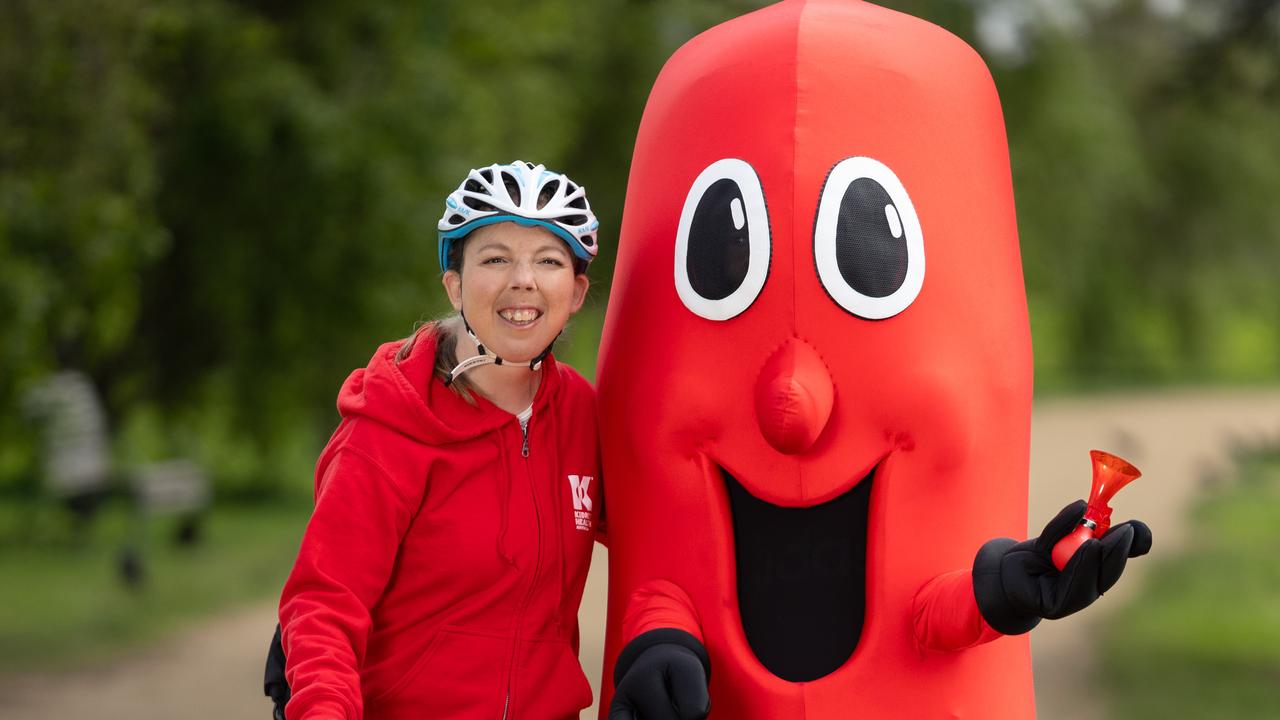
Ms Stevens' experience is behind her support for Kidney Health Australia's Red Socks Challenge, which is asking Australians to walk, run, swim or ride 60km during October.
The target represents the roughly 60 hours people undergoing dialysis spend connected to a machine each month.
Kidney disease affects an estimated 2.7 million Australians, with 2.5 million unaware they might have it. Up to 90 per cent of kidney function can be lost before symptoms appear.
Kidney Health Australia chief executive Chris Forbes says the biggest challenge is that many Australians don't realise they are at risk.
"Kidney disease can progress silently for years without symptoms, meaning people are often diagnosed too late," he says.
For Ms Stevens, the 60 hours captures the "practicalities" of treatment but not "time lost to fatigue, illness and all the symptoms".
Perhaps that is why the ordinary things matter so much now to a woman who has experienced such a medical ordeal.
"I take the time to appreciate small joys even if I'm just driving and there's a beautiful sunset," Ms Stevens says.
"We've seen life when choice has been taken from us."