Get all your news in one place.
100’s of premium titles.
One app.
Start reading
The Times of India
The Times of India
Business
TIMESOFINDIA.COM

Wholesale price inflation jumps to 30-year high of 15.88% in May

NEW DELHI: India's wholesale price inflation (WPI) climbed 15.88% in May from year ago levels, staying in double-digits for the 14th straight month.

According to economists quoted by Reuters, the WPI figure is highest since September 1991.

In an official statement, the ministry of commerce and industry said that the high WPI rate was mainly on account of rising prices for crude petroleum and natural gas, food items, basic metals and chemical products.

Soaring inflation has been a major cause of concern for the government since the past few months. Russia's invasion of Ukraine has disrupted one of the major global supply chains, thereby pushing up prices of key commodities in major economies of the world.

Crude oil and commodity prices have been the worst affected by the war and were one of the main contributors towards surging inflation in many countries.

Inflation in food articles in May was 12.34%, against 8.35% in the previous month. The last time, it had recorded the double-digit print was in January at 10.40%.

An uptick in wholesale food and energy prices is likely to feed into retail prices as the companies increasingly pass on high input costs to consumers.

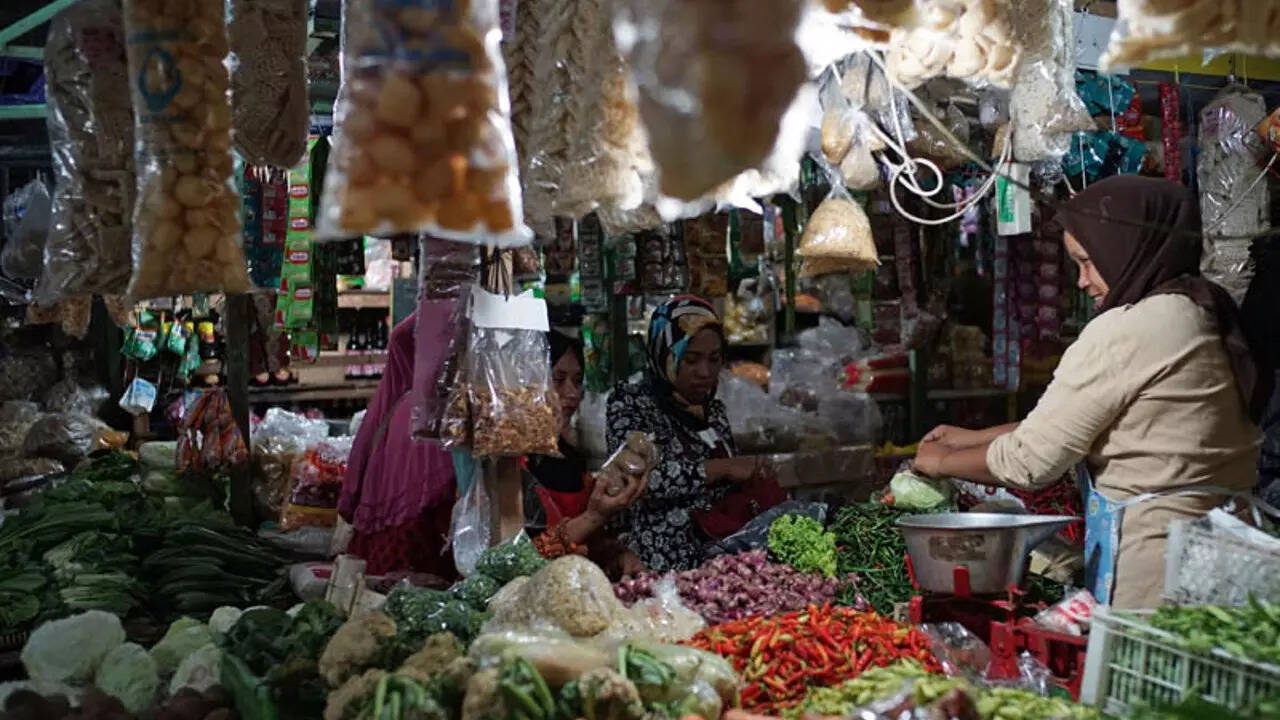
Fruit and veggie prices rise by a third

Food articles, a basket of WPI items that has a significant weightage of 15.3%, rose 12.3% year-on-year in May 2022. The overall food index, which includes other materials like edible oils and fuel too, rose a more modest 10.9%. Both stayed below the headline wholesale inflation number for the month.

Among edible oils, which saw steep rises in 2021 and early 2022, only rice-bran and rapeseed oils pierced the overall inflation number with 16.7% and 19.9% increases, respectively.

The main culprit in the food basket were fruits and vegetables, which form one of the largest components of food articles with a weightage of 3.5%. This component rose a steep 32.3% in May. Tomato prices burned pockets with a 219% rise, with carrots, brinjals and drumsticks also rose by almost half.

Cotton price rise troubles textile makers

Among, non-food items, aircraft turbine fuel, which has a relatively low weightage of 0.32% in the WPI, doubled in price over a year. Raw cotton prices have doubled too, increasing costs and headache for the textile industry.

A recent report said that because of the rising price of this essential raw material, Chinese and Pakistani exports are chipping away at India's market share in the US.

Petroleum coke, a by-product of petroleum refining that's used by the aluminium, steel, power and cement industries, is almost three times its wholesale price a decade ago.

Liquid ammonia, four-fifths of which goes into making fertilisers, and copper concentrates, used in power, electronics and construction, have witnessed steep rises in this war year too.

Where do other items stand

In the fuel and power basket, inflation was 40.62 per cent, while in manufactured products and oil seeds, it was 10.11 per cent and 7.08 per cent, respectively.

Inflation in crude petroleum and natural gas was 79.5% in May.

With inflation in industrial raw materials remaining stubbornly entrenched, core inflation is likely to remain elevated above 9 per cent over the next few month, according to experts quoted by PTI.

In addition, prices for manufactured products, contributing around 64% to the WPI, rose 10.11%, compared to 10.85% in the previous month.

What RBI is doing to tame inflation

Last week, Reserve Bank of India's (RBI) Monetary Policy Committee (MPC) raised its benchmark repo rate by 50 basis points to 4.90%, after a 40 basis points hike in April, while hinting at more rate hikes in future.

The RBI mainly factors in retail inflation based on consumer price index(CPI) while deciding its monetary policy outcome. Retail inflation for May came in at 7.04%, marginally less than 8-year high of 7.79% in April.

The government has tasked the RBI to ensure inflation remains at 4% with margin of 2% on either side.

Last week's rate hike by RBI was followed by government intervention when it cut the excise duties on diesel and petrol. Diesel is the main transport fuel in India which directly impacts the transportation cost of almost all commodities across the country.

The government also reduced import duties on edible oils such as soyabean and sunflower in May to ease the burden on consumers due to costlier food items in late May.

(With inputs from agencies)

Sign up to read this article
Read news from 100’s of titles, curated specifically for you.
Already a member? Sign in here
Related Stories
Top stories on inkl right now
One subscription that gives you access to news from hundreds of sites
Already a member? Sign in here
Our Picks
Fourteen days free
Download the app
One app. One membership.
100+ trusted global sources.