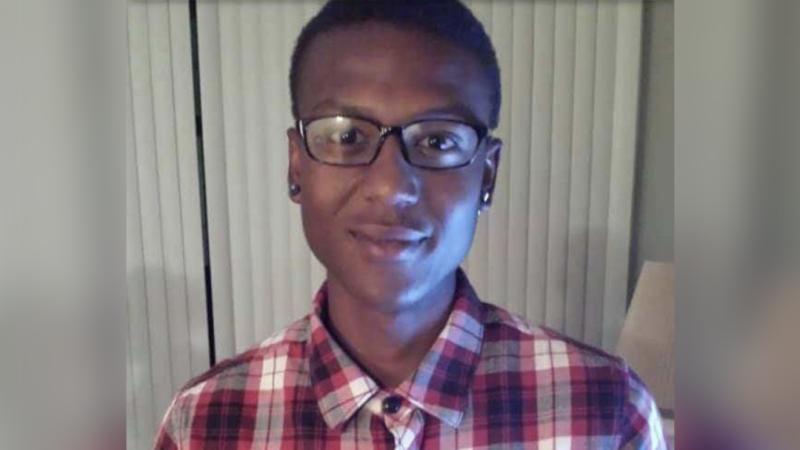
On a Saturday night in August 2019, Elijah McClain, a 23-year-old massage therapist, was accosted by police officers while walking home from an Aurora, Colorado, convenience store where he had bought three cans of iced tea. The cops were responding to a "suspicious person" call. But McClain, who had committed no crime, did not understand why he was being detained, and his objections were met with swiftly escalating force, culminating in an injection of ketamine that left him unconscious. He never woke up.
That horrifying incident attracted national attention after George Floyd's May 2020 death in the custody of Minneapolis police officers set off widespread protests against police brutality. There were notable parallels: In both cases, a black man complained that he could not breathe after he was tackled and pinned to the ground by white police officers. Both incidents featured police indifference to those complaints, a failure to render medical aid, the questionable use of "pain compliance" techniques, and the invocation of "excited delerium" as a justification for the use of force. And both resulted in criminal charges, which in McClain's case have now been resolved by a mixture of verdicts that reflect a cascade of ultimately fatal mistakes.