Get all your news in one place.
100's of premium titles.
One app.
Start reading
The Times of India
The Times of India
World
TOI World Desk

Which country has the most pyramids in the world? The answer is not Egypt

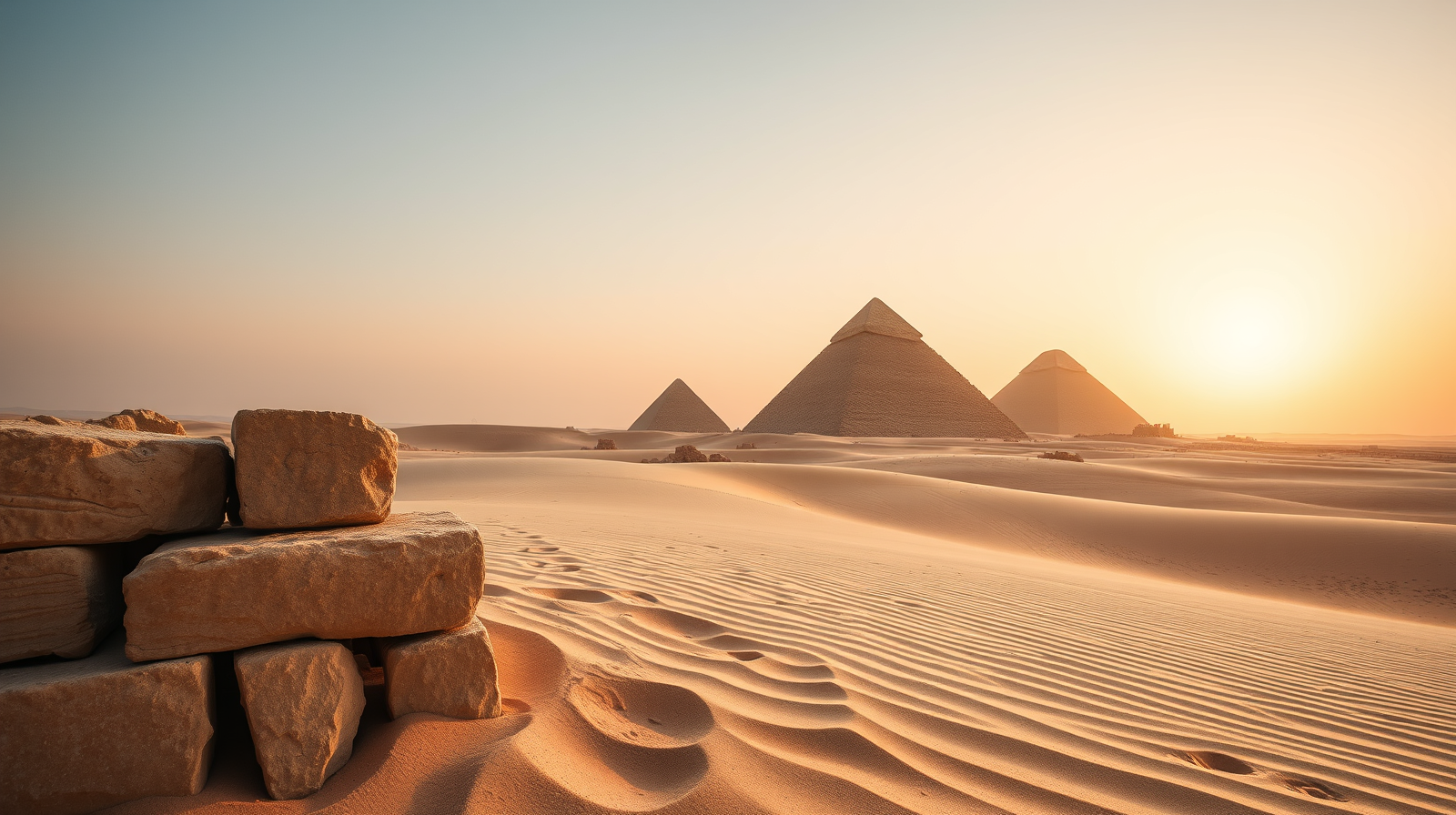
Most people, if asked which country has the most pyramids, would say Egypt without hesitation. The Great Pyramid of Giza is one of the most recognised structures in human history. The Egyptian pyramids draw millions of visitors every year, and the image of a pyramid is so closely associated with Egypt that the country essentially owns the symbol in the global imagination. The answer, however, is wrong. The country with the most pyramids in the world is Sudan, and it is not even close. Sudan has between 220 and 255 pyramids within its borders, compared to Egypt's approximately 118. They were built by a civilisation that ruled one of the most powerful kingdoms in ancient Africa, conquered Egypt itself for nearly a century, and then continued building pyramids for over a thousand years after Egypt had stopped. Most people have never heard of them. That is, by any measure, one of history's more remarkable oversights.

Sudan vs Egypt: Which country has more pyramids

According to National Geographic , Sudan's ancient civilisations left behind some 255 pyramids, more than twice the number Egypt constructed next door, yet few Western travellers have ever seen them. Egypt's total of approximately 118 pyramids includes every structure from the Old Kingdom through to the Ptolemaic period. Sudan's count, concentrated in the Nubian region along the Nile, reflects a sustained tradition of pyramid building that lasted from roughly 800 BCE to 350 CE, a period of over a thousand years during which Egyptian pyramid construction had long since ceased.

The Nubian pyramids are located across several major sites: Meroë, Napata, Nuri, El-Kurru, and Jebel Barkal. Of these, Meroë is by far the most extensive, with more than 200 pyramids spread across three cemeteries approximately 200 kilometres northeast of Khartoum.

The Kingdom of Kush: The civilisation that built more pyramids than Egypt

The builders of Sudan's pyramids were the Kushite rulers of the Kingdom of Kush, which dominated the Nile Valley between approximately 900 BCE and 350 CE. The Kushite culture blended Egyptian customs into its own, creating a distinctive visual style, and at the height of their power, the Kushite kings conquered Egypt itself, ruling as the 25th Dynasty, a period historians refer to as the era of the "black pharaohs" from approximately 760 to 650 BCE.

The first Kushite king to be buried under a pyramid was Piye, who led the invasion of Egypt around 770 BCE and adopted the pyramid tomb tradition from the Egyptian pharaohs he had come to rule. When the Kushites were eventually pushed out of Egypt by the Assyrians, they retreated south to their Nubian heartland and continued building pyramids, prolifically, for centuries after Egypt had abandoned the practice entirely.

The pyramids of Meroë include the tomb of the warrior queen Amanirenas, famous for losing an eye in battle, and her successor Amanishaketo, whose face is depicted in a carving on a Meroë pyramid and who is similarly renowned for preserving the kingdom's prosperity. Among the 41 royal tombs at Meroë are the burials of kings, queens, and high officials whose names are only now being recovered through ongoing archaeological work.

How Nubian pyramids differ from Egyptian pyramids in design and structure

The Nubian pyramids look markedly different from their Egyptian counterparts, and the differences are immediately visible even to a non-specialist. Nubian pyramids are characterised by their steep angles and narrower bases compared to Egyptian pyramids tall and thin, with an inclination of approximately 70 degrees, compared to the much more gradual slopes of the Egyptian structures.

The Nubian pyramids are significantly smaller, 20 to 90 feet on a side, compared with the Great Pyramid's 756 feet, with much steeper sides, and most were built two thousand years after those at Giza. They are constructed primarily from local red sandstone rather than the limestone used in Egyptian construction, and the burial chamber was located beneath the pyramid rather than inside it, accessible via a staircase cut into the bedrock.

Each pyramid was typically fronted by a small chapel decorated with carved reliefs depicting the deceased being welcomed into the afterlife, a distinctly Kushite adaptation of Egyptian funerary tradition.

Sign up to read this article
Read news from 100's of titles, curated specifically for you.
Already a member? Sign in here
Related Stories
Top stories on inkl right now
One subscription that gives you access to news from hundreds of sites
Already a member? Sign in here
Our Picks
Fourteen days free
Download the app
One app. One membership.
100+ trusted global sources.