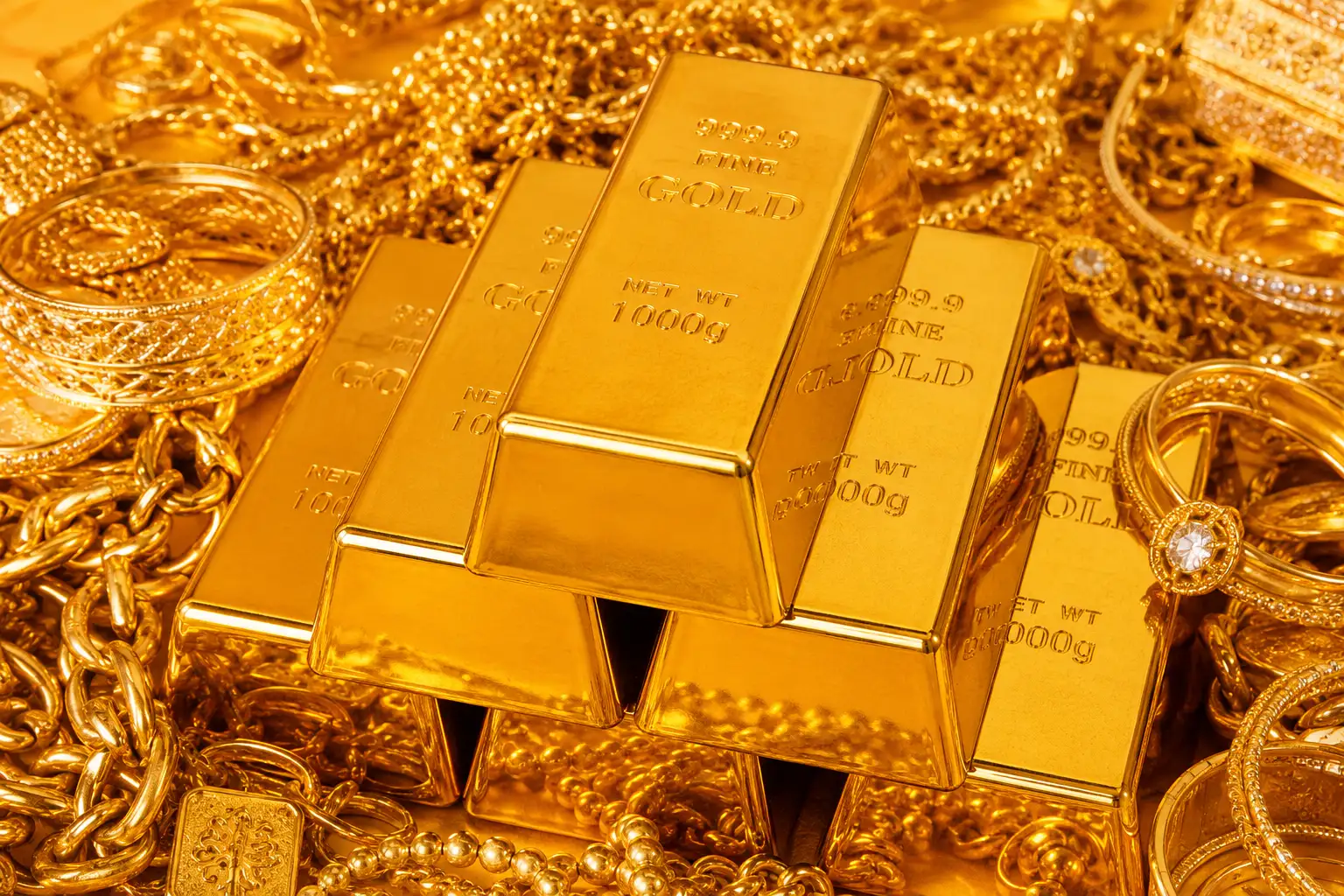
Gold has remained one of the most important commodities in the world for centuries, shaping economies, founding cities, and even influencing the rise and fall of empires. In India as well, families have traditionally preserved gold as cherished heirlooms, passing it down through generations for hundreds of years.

The “Gold Capital of the World”
Among all places associated with this precious metal, one location stands out as the ultimate symbol of this global fascination, a city often referred to as the Gold Capital of the World. It is a place where vast underground gold reserves triggered a rush that reshaped history and left a lasting global impact.
Johannesburg: The Heart of Gold Discovery
Johannesburg is widely recognized as the Gold Capital of the World. The city sits above the Witwatersrand Basin, which contains some of the richest gold deposits ever found on Earth.
Locally known as "eGoli" or the "Place of Gold," Johannesburg gained prominence after a major discovery in 1886, when prospector George Harrison found a rich gold reef on Langlaagte Farm. This discovery eventually sparked one of the most significant gold rushes in history, transforming the region into a global mining hub.
Boomtown Success: Within just a decade, the small mining settlement transformed into South Africa’s largest city. It attracted people from across the globe, turning an arid stretch of land into a major international financial center.
Massive Production: Since 1886, the region has accounted for nearly 40% of all gold ever mined in human history. At its peak during the 1970s, South Africa produced more than 1,000 tonnes of gold in a single year.
Legacy of the Gold Capital
Even though modern mining has evolved and some operations have declined, Johannesburg’s legacy as the Gold Capital of the World remains intact. The city continues to symbolize the global importance of gold and its power to transform societies.