
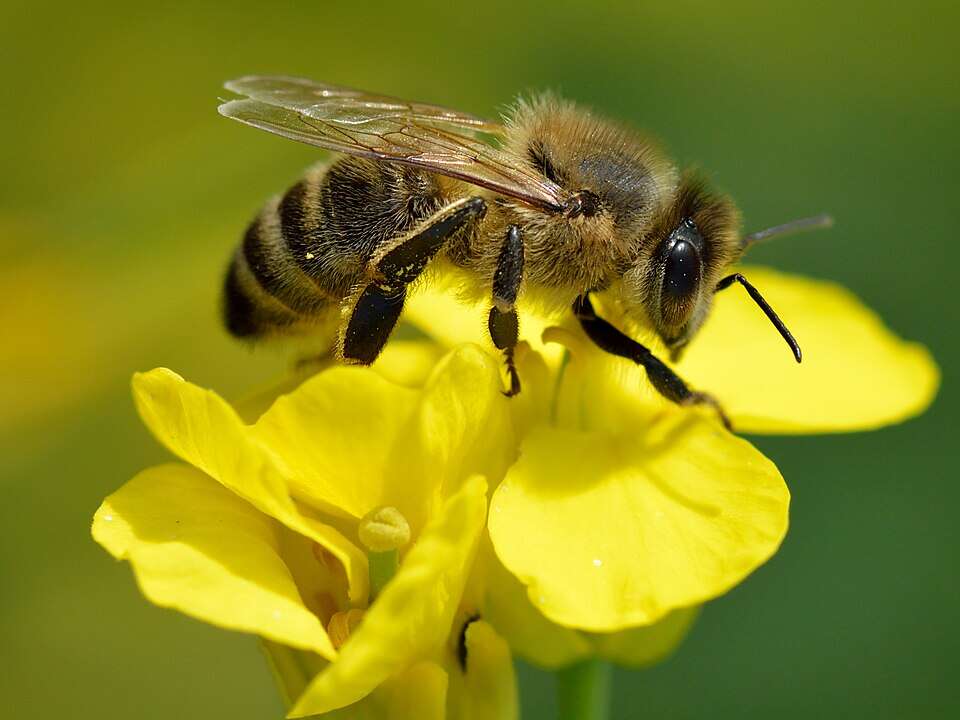
In the autumn of 2006, commercial beekeepers across the United States began noticing something deeply unsettling. Hives that had appeared healthy only weeks earlier were suddenly empty. Worker bees had disappeared without leaving behind the usual signs of disease or attack. The queen remained inside, surrounded by honey, pollen, and a handful of young bees, but the vast workforce that sustained the colony had simply vanished. This mysterious phenomenon was named “Colony Collapse Disorder” (CCD), leading to studies carried out by scientists on the health of honeybees. Almost twenty years later, the research community has learned a lot about this problem, but the cause of the collapse of the colonies remains unknown.
Get breaking news anytime, anywhere. Download the TOI app now!

How the mystery transformed bee research
When reports of disappearing bees first emerged, scientists struggled to explain what they were seeing. Unlike colonies affected by common diseases or predators, CCD colonies showed few dead bees in or around the hive. Food supplies remained untouched, and nearby colonies often avoided taking the abandoned honey, a pattern that puzzled researchers.
This unusual pattern intrigued scientists from universities, government agencies, and the beekeeping industry to work together on a large research effort. Samples were collected from the impacted hives to study viral, bacterial, and fungal infections, pesticide exposure, and other environmental contamination. Initial theories ranged from electromagnetic radiation from mobile phones to genetically modified crops, but the evidence was very weak.
As more studies were conducted on CCD, it became clear that CCD could not have been caused by one specific pathogen or environmental agent. There seemed to be several agents working together to stress the bees into collapsing. According to research on Honey Bee Colonies , cases that fit the original definition of Colony Collapse Disorder have become less common in recent years. However, honeybee losses remain alarmingly high, with commercial beekeepers across North America continuing to report substantial annual colony declines that often require them to replace large numbers of hives each year.
A crisis that evolved beyond colony collapse disorder
As researchers continued investigating Colony Collapse Disorder, they realised that no single factor could explain the widespread losses. Instead, evidence pointed to a combination of biological and environmental pressures working together to weaken honeybee colonies. One of the most important discoveries was the role of the Varroa destructor mite, which emerged as a major contributor to colony losses rather than the sole culprit.
According to research conducted by Bob Grant , scientists found that the mites not only weaken individual bees by feeding on them but also transmit viruses such as deformed wing virus, making infections more severe and widespread. Colonies already under nutritional stress or exposed to pesticides may have been less able to cope with these infections, which could increase their risk of collapse. As research progressed, the understanding of CCD shifted from searching for one culprit to recognising a network of interacting biological and environmental pressures.
Modern agriculture has also negatively impacted the lives of honeybees. Planting vast territories with only one type of plant provides bees with nectar and pollen during a very short period of time, which leaves them with few food sources. Similarly, climate change exacerbates the problem with extreme weather conditions that further complicate food access.
Researchers have also continued to investigate the effects of pesticides on honeybees. While pesticides are probably not enough to trigger a full-scale colony collapse on their own, they found that such chemicals could increase susceptibility to disease among honeybees suffering from parasitic infections, viral infections, or malnutrition. Overall, these discoveries allowed scientists to alter the perception of declining bee populations as the result of multiple factors rather than one particular threat. The understanding of colony collapse has shifted over the last twenty years and shaped the field of bee research.
The search for lasting solutions continues.
The investigations that began in 2006 have influenced pollinator-conservation research. Scientists are developing new techniques to breed bees resistant to Varroa mites, improve disease surveillance, restore flower-rich areas, and reduce environmental stress on bee colonies. However, the tale of Colony Collapse Disorder is far from over. While the scientists found answers to many questions raised almost two decades ago, the problem of ensuring the safety of honeybees persists. Rather than revealing a single cause, the research showed how intertwined the modern ecosystem has become, with parasites, pathogens, farming methods, environmental quality, and climate all affecting a hive's chances of survival.
The abandoned hives that worried beekeepers in 2006 have become both a scientific puzzle and a reminder of how closely agriculture depends on healthy pollinators. Each year, millions of bees continue pollinating crops used by people in many countries, while scientists work to understand and mitigate the factors affecting their survival. From a single unexplained phenomenon, the struggle with Colony Collapse Disorder has grown into something much bigger.







