
Get all your news in one place.
100’s of premium titles.
One app.
Start reading
Homes & Gardens
Homes & Gardens
Jennifer Ebert

What Your Christmas Cactus Actually Needs in February for a Massive Flower Growth Spurt in Spring

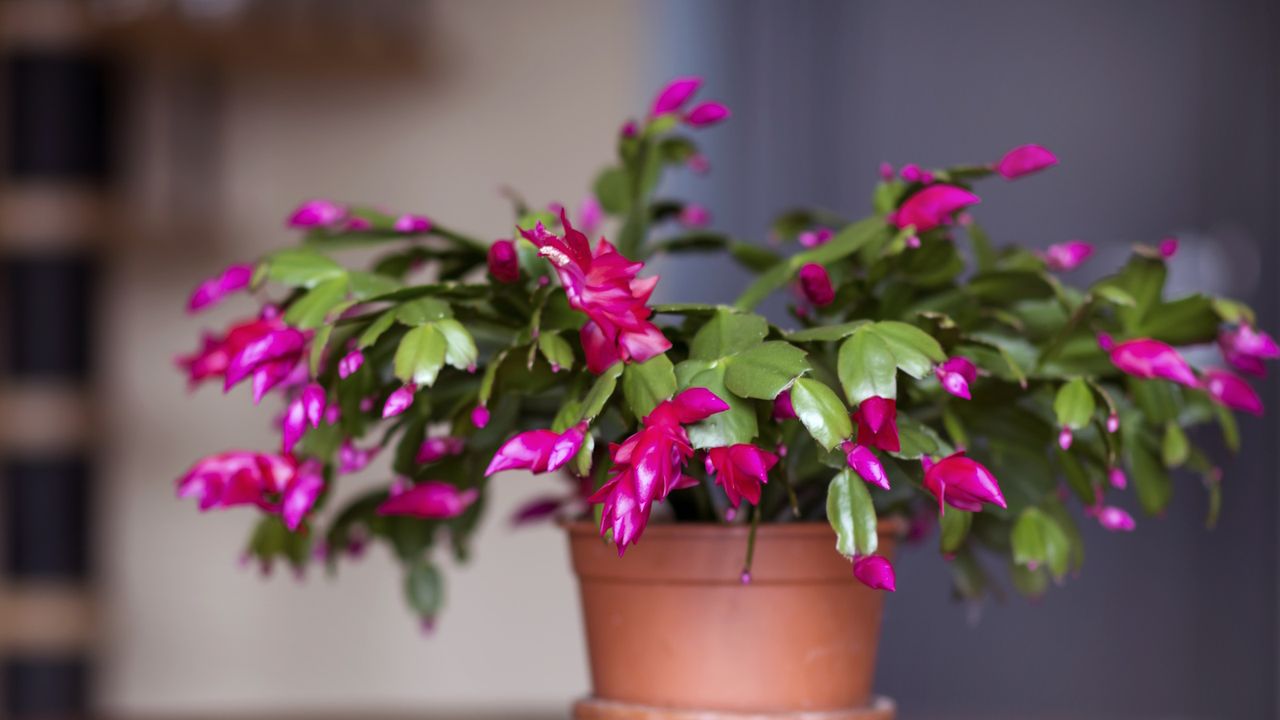
Christmas cactus in early stage of flowering with bright pink buds and flowers.

If you're wondering what to do with your Christmas cactus in February, the answer is less dramatic than you might think – but far more important than many realise.

By now, the festive display has finished, and the last blooms have faded. It’s easy to assume your Christmas cactus (Schlumbergera) can simply be left alone until spring. In reality, February is a pivotal transition month. The way you care for your plant now determines how well it recovers from flowering, how strong its spring growth will be, and ultimately how abundant next winter’s blooms will be.

This is not a month for heavy feeding or drastic change. Instead, February calls for subtle adjustments, careful observation, and a light touch if you want to make a Christmas cactus bloom in spring – supporting your plant as it shifts from post-bloom rest towards renewed growth.

(Image credit: Socha / iStock / Getty Images Plus / Getty Images)

The Post-Bloom Pause Your Christmas Cactus Needs

Unlike desert cacti, Christmas cactus is a tropical epiphyte native to the rainforests of Brazil, where it grows attached to trees in bright but filtered light and consistently humid air. Its needs reflect that heritage.

In February, the plant has expended significant energy on flowering and naturally enters a short rest phase. Growth slows, water uptake decreases, and the roots begin to recalibrate. This pause is entirely normal – and it’s where many well-meaning owners go wrong.

Resist the urge to stimulate. February is about restoration.

1. Start With a Gentle Tidy

Once flowering has finished, dried blooms often remain attached to the ends of the segments. Removing them won’t transform the plant overnight, but it does help redirect energy back into recovery and reduces the risk of rot at the base of the flower.

Twist spent blooms off gently at the joint rather than pulling, allowing the segmented stems to detach cleanly without damage. It’s a small task, but it marks the transition from bloom season to rebuilding mode.

2. Reassess Your Watering Routine

(Image credit: olga Yastremska / Alamy Stock Photo)

One of the most common mistakes at this time of year is treating your Christmas cactus as if it is still actively growing. Knowing how to water a Christmas cactus in February is key.

During this post-bloom rest period, water should be more restrained: allow the top inch of compost to dry slightly between waterings, and never let the soil remain wet for long. The roots are slower to absorb moisture at this stage, and overwatering can quickly lead to stress, rot, or limp, wrinkled segments.

If in doubt, err on the side of slightly drier rather than too damp – late-winter wilting is far more often caused by excess water than by a lack of it.

3. Increase Light – but Gently

(Image credit: KarenHBlack / iStock / Getty Images Plus / Getty Images)

During its flowering display, your Christmas cactus may have been positioned slightly away from bright light to protect the blooms. Now is the perfect time to consider where to place a Christmas cactus for post-bloom recovery.

Ideally, move it gradually into brighter, indirect conditions – an east-facing window with gentle morning sun works well, or a bright north-facing aspect. Avoid harsh afternoon sun, which can scorch the flattened stems. Increasing light exposure at this stage helps wake dormant growth points and prevents leggy, weak spring growth.

Rotate the pot every couple of weeks to ensure balanced development.

4. Consider Light Pruning for Shape

If your plant looks slightly uneven after flowering, February is the perfect moment to prune a Christmas cactus for light shaping.

Removing one or two segments from the tips of longer stems encourages branching, which in turn creates more flowering points for next year. Each trimmed segment typically produces two new shoots later in the season, resulting in a fuller, more floriferous plant.

Keep pruning minimal and measured – this isn’t the time for a dramatic cut-back. And if you’re feeling confident, those removed segments root readily for propagation.

For precise trimming, I rely on the Fiskars Micro-Tip Pruning Shears on Amazon– they make delicate cuts effortless, and will make a fantastic addition to your houseplant pruning arsenal.

5. Hold Off on Feeding

It can be tempting to reach for fertilizer once flowering has ended, but patience pays off. The plant is still transitioning and won’t properly utilise additional nutrients until active growth resumes. Feeding too early often results in soft, weak growth or salt build-up in the compost.

Wait until you see fresh segments beginning to form – usually in early to mid-spring – before reintroducing a balanced feed at half strength.

6. Check Roots, but Avoid Unnecessary Repotting

(Image credit: eclipse_images/E+/Getty Images)

February is a sensible time to assess the plant’s overall health, including its root system. However, Christmas cactus prefers to be slightly root-bound and does not require frequent repotting.

Unless roots are circling heavily, emerging from drainage holes, or the compost is clearly degraded, it’s usually better to leave the plant undisturbed until spring proper. Stability now is more valuable than fresh soil.

I’ll be reaching for this Succulent Mini Tool Kit whenever I repot – it’s perfect for keeping my indoor plants happy and flourishing all year.

7. Don’t Overlook Humidity

Indoor heating can make late-winter air exceptionally dry – something even the hardiest rainforest plant will notice. If your home feels parched, try placing the pot on a tray of pebbles and water, grouping it with other houseplants, or running a nearby humidifier to boost moisture.

I personally use the Bonsai Humidity Tray Rectangular Drip Tray from Amazon to keep my plants happy and thriving.

Pay attention to placement: keep plants away from radiators, heating vents, and cold drafts, all of which can stress them during this delicate transitional period. With just a little care, your indoor greenery can flourish long before spring arrives.

(Image credit: Elena Grishina / iStock / Getty Images Plus / Getty Images)

It’s important to manage expectations. In February, a healthy Christmas cactus may show no visible new growth at all. The stems should remain firm and evenly colored, but dramatic changes are unlikely – and unnecessary.

This quiet phase is laying foundations beneath the surface. Energy reserves are rebuilding, roots are stabilising, and growth buds are preparing for the longer, brighter days ahead.

February isn’t about pushing your Christmas cactus to perform. It’s about giving it the calm, consistent conditions it needs to recover. Get this month right, and you set the stage for vigorous spring growth – and a spectacular return to bloom when winter comes around again.

Shop Christmas Cactus Care Tools

Sign up to read this article
Read news from 100’s of titles, curated specifically for you.
Already a member? Sign in here
Related Stories
Top stories on inkl right now
One subscription that gives you access to news from hundreds of sites
Already a member? Sign in here
Our Picks
Fourteen days free
Download the app
One app. One membership.
100+ trusted global sources.