
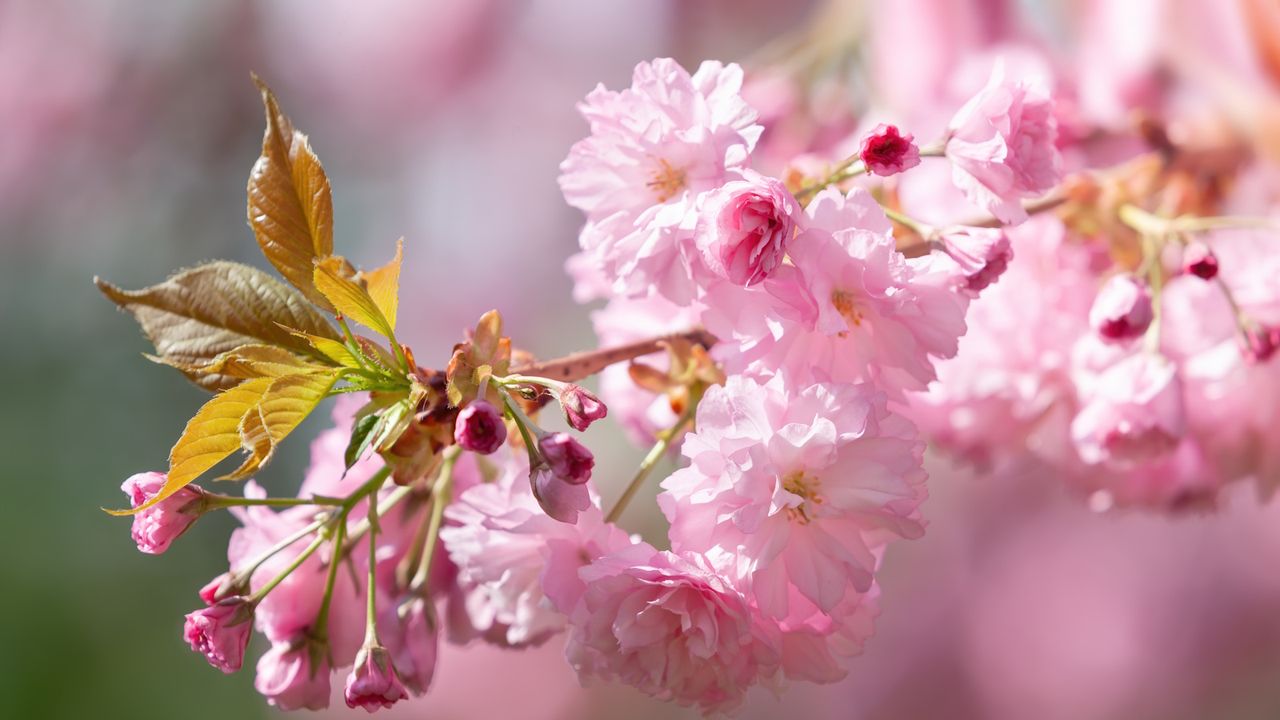
You may be currently dazzled by their glorious spring blossom, but there are plenty of other cherry tree tasks to keep on top of in May.
Ensuring any fruit tree is in top notch condition during spring – the peak growing season – is key to a bountiful harvest later in the year. Providing the right levels of nutrients and water, plus monitoring fresh growth for pests and disease are all on our to-do list for the next few weeks.

By following some simple flowering cherry tree care you can keep your fruit tree in good health, enjoy one of the best trees for spring blossom and also savor delicious harvests for years to come. Here's what cherry trees need in May.
Take Note of Your Local Climate

'If there’s one thing that experience has taught us, it’s this: April and early May is the period that determines everything. It’s the moment when all your good intentions either pay off or don’t,' explains plant nursery owner Rye Owen.
'Cherry trees are remarkably adaptable – they’re grown successfully from the Midwest to New England, the mid-Atlantic to the Mountain West – but late April and early May looks different depending on where you are,' continues Rye.
'In warmer zones (7-8), your trees may already be approaching petal fall by early April. In cooler zones (4-5), you might still be weeks away from first bloom. The key is to track your tree, not the calendar. Watch the buds. When you see green tip emerging, it’s time to act,' she adds.
Apply A Balanced Slow Release Fertilizer

Spring and summer months are prime growing time for all fruit trees. As it’s when pollination, fruit formation and maturity take place, it's crucial that the plant receives the best nutrition possible, if you want to enjoy a plentiful harvest.
Fortunately cherry trees are one of the easiest fruit trees to grow.
'Fertilizing the tree with a balanced, slow-release fertilizer in the early spring, as well as occasional feeding throughout the growing season, will help promote healthy growth and fruit production,' says Alex Kantor, owner of Perfect Plants Nursery.
An organic, high potassium liquid fertilizer – such as Farmer's Secret Fruit Tree Booster from Amazon – is a quick and easy way to guarantee the necessary nutrients are on hand. Recommended every couple of weeks from April through August, it is an simple and effective way to satisfy the plant’s needs.
Alternatively, you can apply a granular feed directly on to the soil around the tree base every spring. Opt for a multi-purpose feed, such as The Grow Co's Muriate of Potash from Amazon, for sustained growth.
For tart cherry varieties it is important to start feeding at the right time, Rye advises. 'Fertilizing too early pushes leafy growth at the expense of fruit set. Wait until blossoms have dropped, then apply a balanced fertilizer to support the developing fruit,' she says.
Remove Energy Sapping Suckers

With tree sap rising and fresh spring growth evident all around, it’s time to keep an eye on your cherry tree.
Young and mature fruit trees can produce whippy, slender new stems from the base of the trunk. If you spot these emerging it is well worth removing them, as they are most likely to be suckers and they will steal essential nutrients from the main tree, inhibiting future branches and foliage from forming, and of course, all important fruits.
The easiest way to cut these away is by using clean and sharp hand pruners – we particularly like Fiskars Bypass Hand Pruners from Lowe's for their easy action and comfy grip.
Doing this task during mild weather will encourage the tree to heal quicker, reducing the chance of infection. Sticky cherry sap can irritate skin on contact, so gloves are essential. Try these Professional Gardening Gloves with Enhanced Grip from Walmart.
Top Up Mulch Around The Tree

May is the month when persistent weeds reappear in the garden, competing for valuable nutrients and moisture.
Keep them at bay by adding either a layer of organic mulch or a biodegradable mulch mat – such as these coconut fiber mulch rings from Amazon.
Organic mulch can be spread on to cleared ground, beneath any fruit tree. Be sure that the area stretches out to the tree's drip line, as this usually corresponds to the plant's root reach too, encouraging nutrients and retained moisture to be absorbed effectively.
Aaron Green, founder of Essential Home and Garden lists compost, grass clippings, shredded leaves, and bark as examples. It's easy to spread, and has the benefit of improving the soil as it breaks down. 'However, this type of mulch does need to be replaced every few years,' he says.
Water Regularly During Dry Spells

Regularly watering cherry trees during May can prove critical for crops and tree health, especially if container grown, after all these are one of the best fruit trees to grow in pots.
Essential for the production of flower buds and fruit setting, maintaining a consistent moisture level over the next few weeks can directly impact the size and flavor of the summer's harvest.
As with all fruit trees, experts recommend to water deeply once a week; twice if experiencing drought conditions. This will not only encourage fruit to form but also top up the plant's energy reserves to ward off any disease or fungal infection.
Installing watering loops prior to planting, is an easy and effective way to direct water straight to the roots. Otherwise, consider laying a soaker hose (like this one from Walmart) or an automatic self-watering bag (also available at Walmart).
Take Precautions Against Brown Rot Blossom Blight

With the increase in temperature and daylight hours comes the possibility of pests and diseases seizing on our vulnerable fruit trees. Winter washing fruit trees can help, but spring's arrival still demands vigilance.
'April and early May is also the moment to begin your disease prevention program,' advises Rye.
'Brown rot blossom blight can devastate an entire bloom in wet or humid conditions, spreading rapidly from flower to flower. Apply a labelled fungicide at early bud swell, full bloom, and petal fall – this three-application window is your best defense.'
Bonide Captain Jack's Copper Fungicide, available from Amazon, is a go-to for many pro gardeners.
Thoughtful pruning and maintaining a well shaped tree can also help, as Rye explains.
'Keep an eye on canopy airflow as well: a well-pruned, open-center tree dries faster after rain and gives disease far less opportunity to take hold,' she advises.
But before you reach for the shears be sure to check on the right time of year for your type of cherry tree, as this can differ from sweet and tart varieties.
What to Shop
This liquid cherry tree fertilizer is a special blend to support cherry tree growth. Dilute with water to apply.
These long-sleeved gardening gloves have a gorgeous floral pattern. They protect hands and arms when tending to the garden.
These bypass pruning shears have a rust-resistant steel blade for long-lasting use.
Following these cherry tree care tips will help you reap a delicious harvest this summer. But if you're struggling to get a harvest from your other stone-fruit trees, discover how to get a plum tree to fruit and how to get a peach tree to fruit.
Love inspiring garden ideas, outdoor advice, and the latest news? Sign up for our newsletter and get the latest features delivered straight to your inbox.