For many Indian students, preparing for a US student visa interview means memorizing details about their university, course, and future career plans. But according to former US diplomat Yvette Bansal, an unexpected question could catch applicants off guard and even impact the outcome of their visa interview.
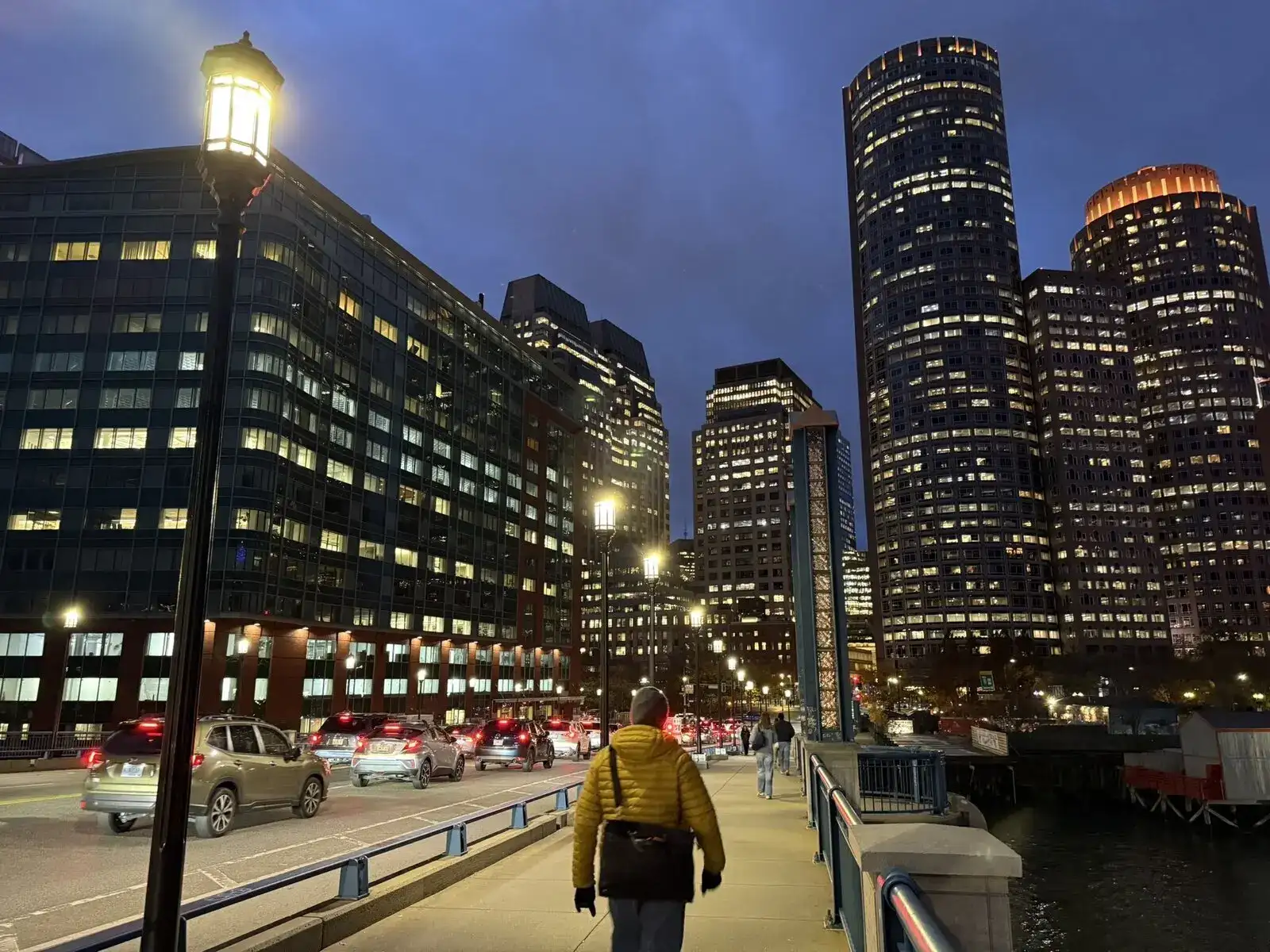
Speaking about a recent F-1 visa interview experience shared by a student, Bansal explained why a seemingly casual question like “What would you do on a Saturday night in Boston?” may reveal more to a visa officer than applicants realize, according to a report in The Times of India.

ALSO READ: Jeremy Clarkson cancer
The question that surprised an F-1 visa applicant
The discussion began after a student who attended an F-1 visa interview at the US Consulate in Kolkata shared his experience. According to the account, the applicant was asked just three questions:
- Which university had he applied to?
- How well did he know Boston?
- What would he do on a Saturday night in Boston?
The student said he had been admitted to Northeastern University in Boston and believed he knew the city reasonably well. However, the third question left him momentarily confused. After thinking for a moment, he replied that he would probably visit the library, explore the campus, and spend time studying.
ALSO READ: Who is Heather Milligan?
Why visa officers ask unexpected questions
According to Bansal, questions like these are not designed to test whether an applicant has a perfect answer. Instead, they are meant to see how candidates react when they move away from prepared responses.
"If a visa officer asks such a question, they want you to get off your script," Bansal explained.
She said the officer may be checking two things:
Whether the student has researched the city where they plan to study.
Whether they can remain calm, confident, and articulate when faced with an unexpected question.
There is no right or wrong answer
One of the most important points Bansal highlighted is that there is no "correct" answer to a question like this. A student does not need to say they will spend every weekend studying, nor do they need to list tourist attractions.
The answer simply needs to demonstrate that they have thought about life in the city where they are heading.
According to Bansal, a strong response shows genuine interest in the university, awareness of the local environment, and the mindset of a serious student.
Why students should research their destination city
Many applicants focus heavily on their academic program but spend little time learning about the city where they will live.
Visa officers may use casual questions to assess whether students have done basic research about:
- Local culture
- Transportation
- Campus life
- Weather
- Student activities
- Popular neighborhoods
Being familiar with these details can help applicants respond naturally during an interview.
Why F-1 visa rejections are under spotlight
Bansal also spoke about concerns over increasing F-1 visa rejections among Indian applicants. According to her, the current environment involves greater scrutiny of visa applications.
She suggested that visa officers may be conducting more detailed reviews and asking additional questions to better understand an applicant's intentions and preparedness.
"There isn't a large degree of push from the US to approve more visas," she said, adding that officials may be expected to apply a higher level of scrutiny to applications.
A question as simple as “What would you do on a Saturday night in Boston?” may not have a right answer—but it could reveal whether an applicant is prepared for student life in the United States.