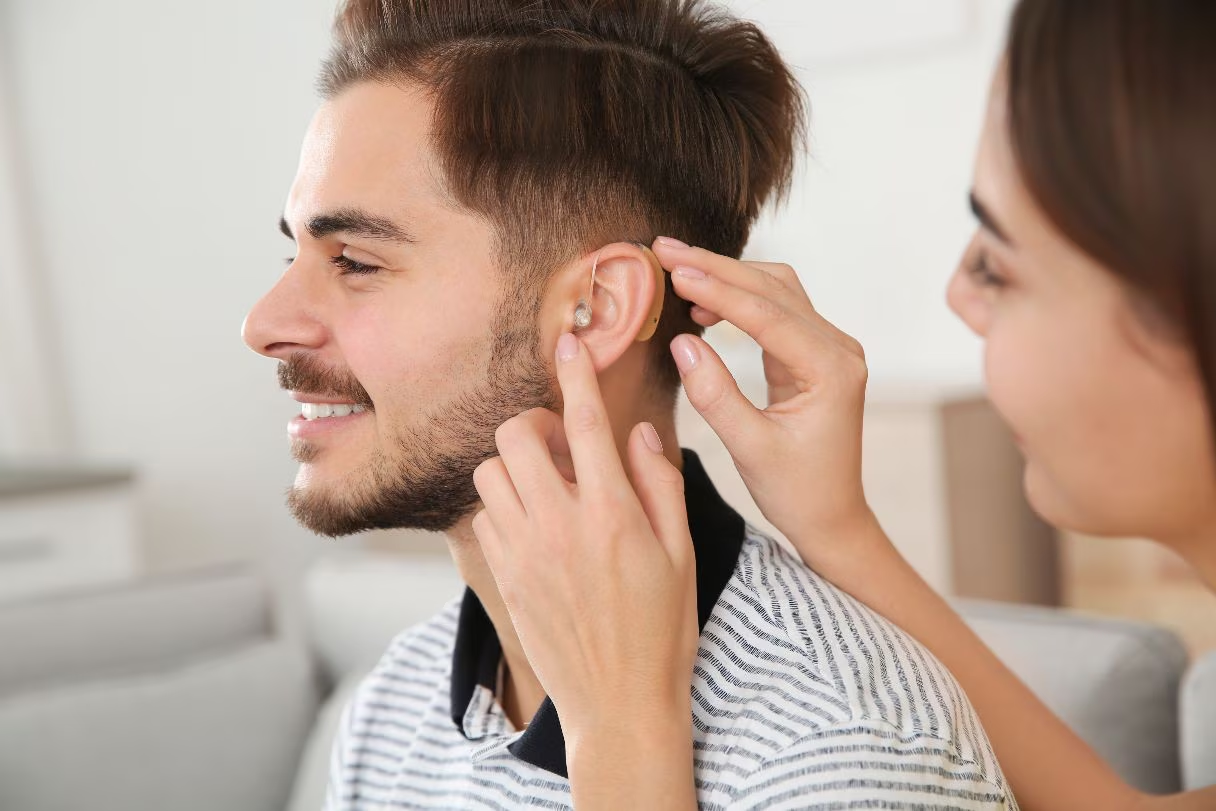
Buying hearing aids is a serious investment in your quality of life and hearing. There is so much to choose when it comes to various style and technology, different manufacturers, and prices that it can be difficult to make an informed choice. Knowing how to choose the most important points of hearing aids purchase can make you find the equipment that will really satisfy you and work many years long.
Professional Review and Expertise

A complete hearing test conducted by a licensed aural-auditory doctor must be documented before you can choose the type of hearing aids. This professional evaluation establishes you as to your precise profile of hearing loss, which determination is the underlying cause, and that is the level of assessment of how effective the treatment is. Based on the various types of hearing losses, an experienced audiologist can recommend the right course of action since he/she knows how various forms of hearing loss need different types of amplification. Instead of making a hasty purchase, take time and engage a professional consultation with an expert who will listen to your issues, life-style requirements and wishes and make recommendations.
Type and Severity of Hearing Loss
The choice of the device should be based on the peculiarities of your hearing loss. The three types of hearing loss (conductive hearing loss, sensorineural hearing loss, and mixed hearing loss) demand the use of various technologies. Further, mild hearing loss needs varying levels of amplification as compared to severe hearing loss. With the help of an experienced professional, the type of your loss is determined and the devices with proper power and characteristics are recommended to you due to your condition.
Lifestyle Fit and Style of the Device
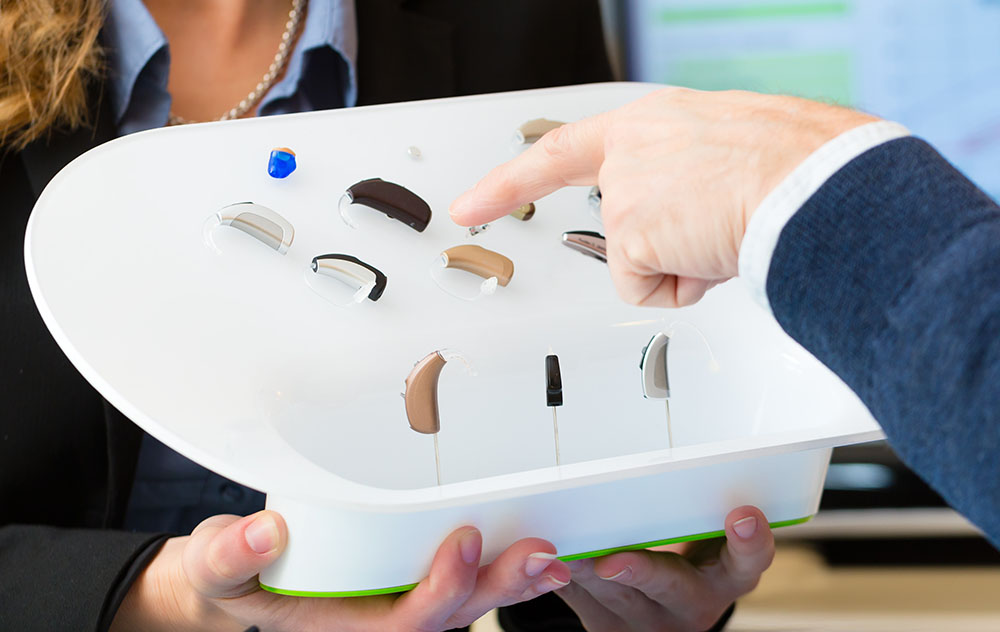
There are different types of hearing aids which include behind-the-ear (BTE), receiver-in-canal (RIC), in-the-ear (ITE), and completely-in-canal (CIC) aids. All the styles have varied benefits in terms of visibility, comfort, battery life and ease of handling. Style choice is based on your manner of living, hand coordination and taste with the way you want to appear. The severely hearing impaired may need a lot more power in the BTE models, whereas the mild forced hearing impaired may find barely-seen CIC models. You can put these factors into practicable considerations with a reputable hearing aid store that is headed by qualified personnel.
Features and Connectivity The Technology Offers Connectivity and Features
The new hearing aids are available with many technological options: directional microphones, noise damping, speech boosters and wireless connectivity. Greater levels of technology offer more advanced processing of sound and environmental adjustment. Features that are more sophisticated however are more expensive. Find out what actually is useful to your particular hearing impairment, and hearing scenarios, instead of spending money on extravagant features.
Warranty, Support and Follow up Care
The aids used to aid hearing need continuous adjustment and maintenance during their life. Choose a company that provides full after sales services, such as adjustment services, service of the gadget, batteries, and troubleshooting services. Having a clinic provider such as a medical audiological practice is a guarantee of continued treatment by the same provider; one who knows your hearing history and tastes.
Insurance Pricing and Insurance Coverage
Know your insurance benefits prior to buying. There are those plans that cover part hearing aids and some that cover none. An informed provider will take care of the insurance documents and clarify precisely what you are going to pay out-of-pocket. Shop around between a variety of providers, but do not think cheapest price is the best value when that would mean compromising on professional support and quality service.
Trial Periods and Repurchasing Policies
Before deciding on buying hearing aids, reputable providers will provide trial periods where you can test the hearing aids in the real world scenario. Check back policies in order to make sure that you are able to return your devices in case they fail to satisfy you after the suitable period of time.
Making Your Decision
The choice of hearing aids is a team effort between you and your audiologist. Find a provider who views you as a partner in the hearing health process, has all the options fully explained, hears your concerns, and is dedicated to long-term satisfaction and success.