
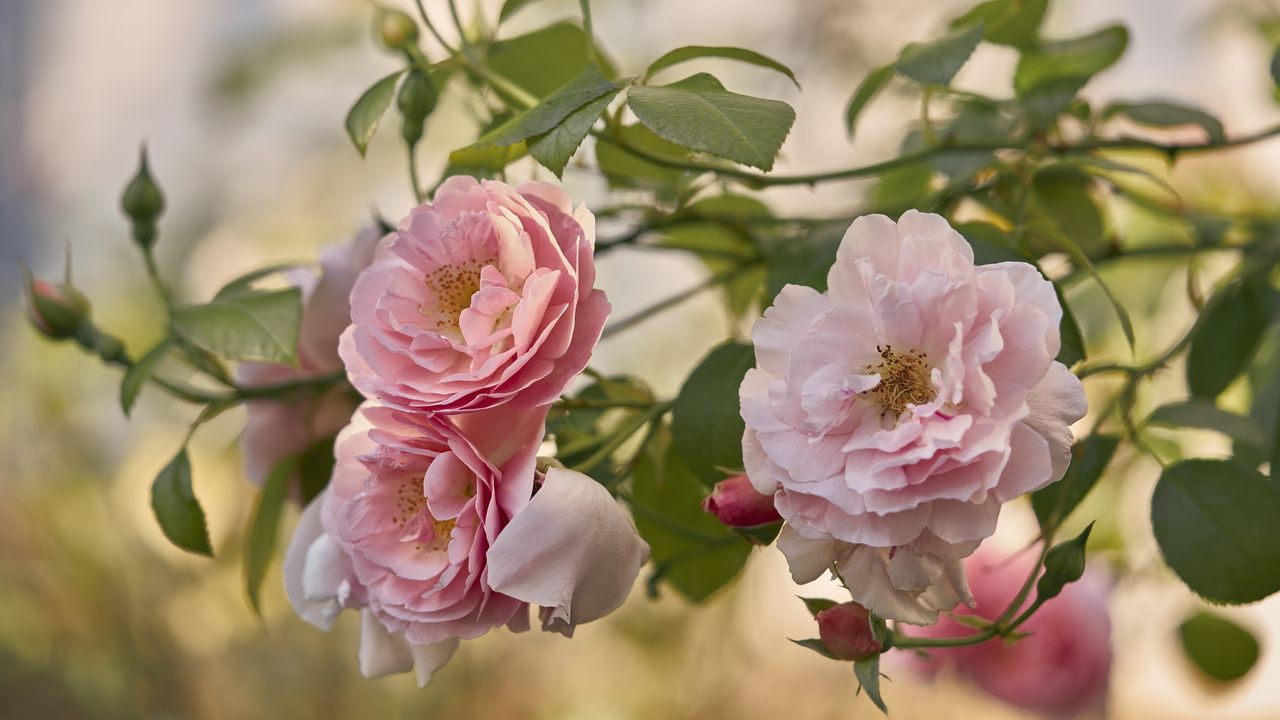
No summer yard is complete without glorious roses. With their mass of blooms adorning borders, spilling from pots and cascading over fences, walkways and arches, they fill the garden with scent and sumptuous color, but rising temperatures, irrigation needs, plus keeping pests and diseases at bay can prove a challenge.
Keep these romantic and long-lived garden favorites performing throughout July with the best tips for rose care and growing. Knowing the signs of plant stress to watch for, when to clip out straggly or dead growth, and how to train new growth for plentiful future blooms are all key this month for your rose garden ideas.

Here experts explain why and how to go about these tasks, plus the tools to use. (To start, I always wear a pair of long Handlandy gardening gloves, available from Amazon, when I'm doing any rose care jobs.)
Swap The Hose For A Watering Can
July brings heat and humidity to the yard and roses can suffer. Knowing how and when to water roses is key for prolonged flowering and plant health.
‘One of the biggest mistakes in summer is little-and-often watering,’ says Wes Harvell, Rosarian at Jackson & Perkins. ‘Deep watering is best because it encourages deeper roots and better drought tolerance. For in-ground roses, water deeply one or twice weekly and increase during prolonged heat.’ Wes also adds, ‘For climbers against walls, water more frequently because surrounding soil is often very dry.’
Container grown roses will need extra vigilance, as they are prone to drying out. 'Check daily and water whenever the top inch feels dry,' says Wes. Try the finger test or invest in a soil moisture monitor from Amazon.
Knowing when to water a garden and the most common HOA watering violations is also helpful.
Tidy Up Roses And Prune Ramblers
Midsummer is the ideal time to prune certain roses. 'If you have spring-flowering, once-blooming roses, July is when you prune them,' says Paul Zimmerman. 'Right after they finish flowering, since most bloom on old wood and need time to put out new canes for next year.'
Paul also adds, 'for repeat-flowering roses, just watch for dead or weak wood and cut that out as you see it. In moderate and hot zones, this is also a good time for a general summer clean-up. Don't be afraid to trim leggy, tall growth back by a third.'
Bypass Pruners make this job a breeze, try Felco No 2 from Lowe's. Use them for deadheading faded blooms too.
Tie In Climbing Roses
With rose growth accelerating it's important to direct new stems and secure them to a sturdy frame work, trellis or arch to avoid damage occurring. An essential part of landscaping with roses, mastering this garden task can make a huge difference to the overall look of your future yard.
'Repeat-flowering climbers should continue to be deadheaded and tied into supports,’ says Wes Harvell. ‘Long new shoots should be gently trained horizontally where possible, as this encourages more flowering side shoots.'
Soft flexi wire ties such as these from Amazon are ideal for fragile new growth. Twist ties firmly but with growing room at regular intervals, working along the stem, trimming off any excess wire for neatness.
Some of the best rose varieties include elegant climbers such as 'Zephirine Drouhin', 'Oxford Girl' and 'Sally Holmes' at Jackson & Perkins.
Remove Rose Suckers Correctly
July is the month to watch for rose suckers shooting out from the plant base.
'Suckers are vigorous shoots emerging from below the graft union. Signs of this are rapid growth, different leaf appearance, and thornier stems,' explains Wes. Removing them is important as these stems originate from the rootstock plant and can quickly overwhelm and weaken your chosen, grafted, rose variety.
Wes suggests, 'do not simply clip them at soil level. Instead, trace the sucker down to its point of origin and pull or tear it away from the rootstock where possible. Removing them properly prevents regrowth.'
Encourage the wound to heal and promote new growth with a balanced rose feed, such as Farmer's Secret Rose Booster from Amazon.
Clear Up Fallen Rose Leaves
Rose foliage can often yellow and fall during midsummer, as a result of high temperatures, erratic watering or the dreaded black spot. Distressing to witness, it's important to clear up fallen debris and dispose of it promptly - with household garbage rather than composting - to stop spores from spreading.
'Black Spot is a common infection that weakens the rose plant and reduces flowering,' explains Tyler Francis, Co-CEO of Rose Specialists April & Ashley. 'Symptoms include small black lines on the upper side of the rose. Over a few days, these lines connect to form larger black spots.'
Quick to spread it's crucial to take action. Tyler suggests to, 'immediately remove infected leaves from the rose and the ground and dispose of them. Spray your rose with an organic fungicide containing sulfur every 7 to 14 days.'
Find Neem Oil Ready To-Use Spray at Walmart.
Whether you are new to growing roses or have nurtured them for years, these tips will help to keep these gorgeous blooms thriving for years to come. Increase your display further with these rose garden ideas plus learn where never to plant roses.
Love inspiring garden ideas, outdoor advice, and the latest news? Sign up for the Homes & Gardens newsletter and get the latest features delivered straight to your inbox.