
Get all your news in one place.
100's of premium titles.
One app.
Start reading
Homes & Gardens
Homes & Gardens
Martha Davies

What to Do with a Dragon Tree in April – 5 Tasks to Guarantee Vibrant Foliage Throughout Spring

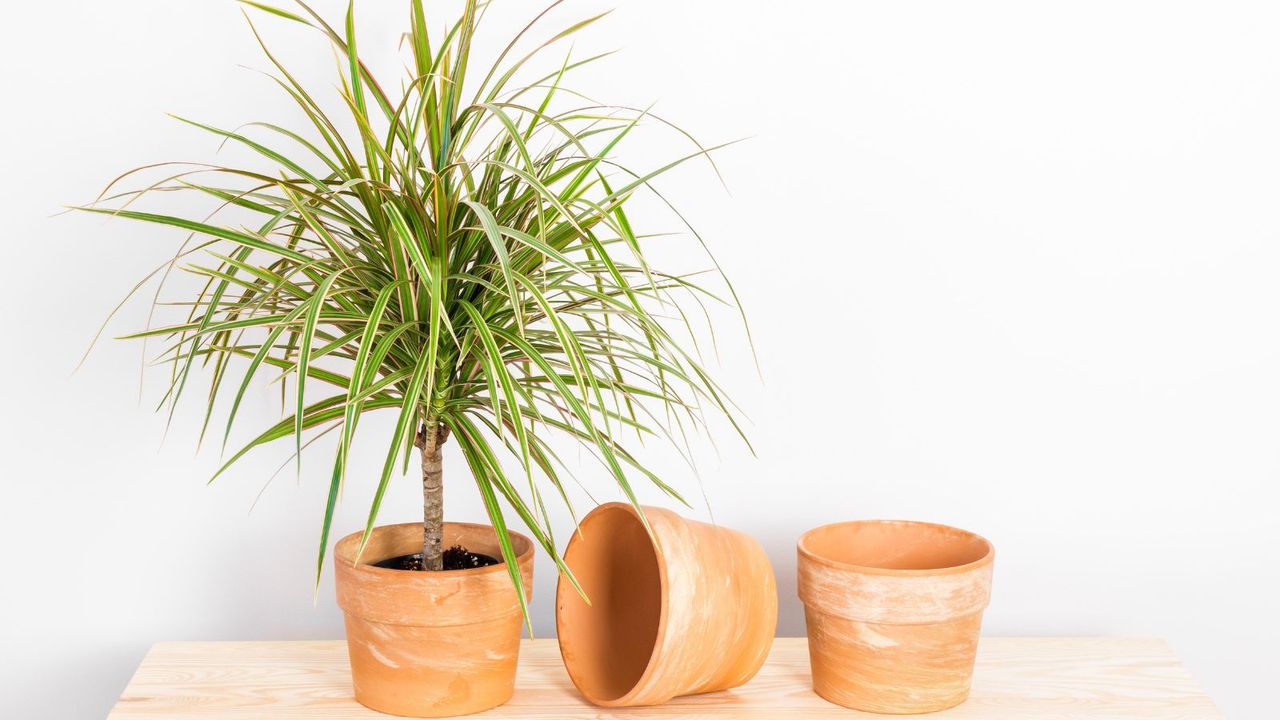
Dracaena marginata tricolor, or Madagascar dragon tree. Plant and clay pots on a wooden shelf. .

With their tall, spiky leaves, dragon trees (or Dracaena marginata) might look dramatic, but they're wonderfully easy to grow. They're ideal for beginners, but if you're a seasoned indoor gardener, you'll likely have more than a few in your collection – and you'll know that now is a crucial time when it comes to dragon tree care.

By April, dragon trees are well into their active growth phase. New leaves may be emerging, so it's vital to monitor soil moisture, increase watering frequency, and start fertilizing this month to encourage healthy growth.

Dragon tree plants may not be demanding, but these tasks are the key to ensuring that yours can thrive this spring. (And if you haven't yet added one to your indoor garden, you can pick up a potted dragon tree for just $4.99 at IKEA, or opt for a Costa Farms dragon tree from Wayfair.)

1. Start Watering More Regularly

(Image credit: Suchada Tansirimas / Getty Images)

In the midst of its active growth period, your dragon tree will be getting thirstier – so you'll need to water it more frequently in April.

'One of the main jobs this month is to increase watering to support new growth,' confirms Tenielle Jordison, Gardens Content Editor at Homes & Gardens. 'Dragon trees can tolerate some drought, but they don’t cope well with sitting in completely dry soil for too long.'

2. Examine the Soil

(Image credit: Tatiana Chekryzhova/Alamy Stock Photo)

Over- and underwatering are some of the biggest reasons why your dragon tree might be drooping at this time of year, so it's important to get moisture levels right. To make life simpler, you might want to invest in a soil moisture meter, like this one from Walmart.

'I use my soil moisture meter to identify when the top couple of inches of my dragon tree’s soil has dried out before watering,' explains Tenielle.

'Warmer spring temperatures will cause the soil to dry out faster than in winter, so you'll need to water more regularly – but you should also avoid soggy conditions, as these plants are susceptible to root rot.'

3. Start Fertilizing

(Image credit: dropStock / Getty Images)

Like many low-maintenance indoor plants, dragon trees don't need to be fertilized all year round – but spring is the time to feed them.

'I use a balanced liquid houseplant fertilizer for these plants, applying it every 3-4 weeks during spring and summer,' says Tenielle. Miracle Gro indoor liquid plant food (available at Amazon) is a great all-purpose fertilizer, but you can use specially-formulated dracaena fertilizer (also from Amazon) if you prefer.

'Make sure to pause on fertilizing when fall arrives, as this is when your dragon tree is slowing down for dormancy,' Tenielle advises.

4. Remove Yellow Leaves

(Image credit: Alamy / RF Company )

Your dragon tree may be beginning to flourish as spring gets underway, but don't panic if you also spot a few struggling leaves.

'It’s not uncommon to spot yellow lower leaves on a dragon tree in spring,' says Tenielle. 'These are plants that shed their oldest leaves in preparation for new growth.'

Dead leaves will naturally drop off, but it's easy to remove them if you want to keep your dragon tree looking neat.

'Yellowing foliage can be unsightly, so I like to remove it,' Tenielle reflects. 'You’ll know if leaves are ready to be removed because they’ll come away easily with a gentle pull. This just tidies up your dragon tree’s appearance and helps it redirect its energy to new growth.'

5. Consider Repotting

(Image credit: janzwolinski / Getty Images)

Repotting is an essential part of houseplant upkeep. Although dragon trees only need to be repotted every few years, spring is a brilliant time to check it off your list and ensure that your plant can continue to grow steadily into the summer months.

'These plants don’t need repotting often due to their slow growth; I only rehome mine into a larger container every 2-3 years,' says Tenielle.

'However, April is a good opportunity to repot your dragon tree if needed,' she advises. 'This is important to do when its roots become congested and don’t have much more room to grow. Leaving your dragon tree in a too-small pot will stunt its growth, cause discoloring foliage, and risk leaf drop.'

Knowing how to repot a dragon tree can take practice, but transferring it to a larger planter with new soil will promote better drainage and replenish vital nutrients.

What to Shop


Want to expand your dragon tree collection this spring? We asked experts how to propagate a dragon tree – and it couldn't be simpler.

And if you love inspiring garden ideas, outdoor advice, and the latest news, why not sign up for our newsletter and get the latest features delivered straight to your inbox.

Sign up to read this article
Read news from 100's of titles, curated specifically for you.
Already a member? Sign in here
Related Stories
Top stories on inkl right now
One subscription that gives you access to news from hundreds of sites
Already a member? Sign in here
Our Picks
Fourteen days free
Download the app
One app. One membership.
100+ trusted global sources.