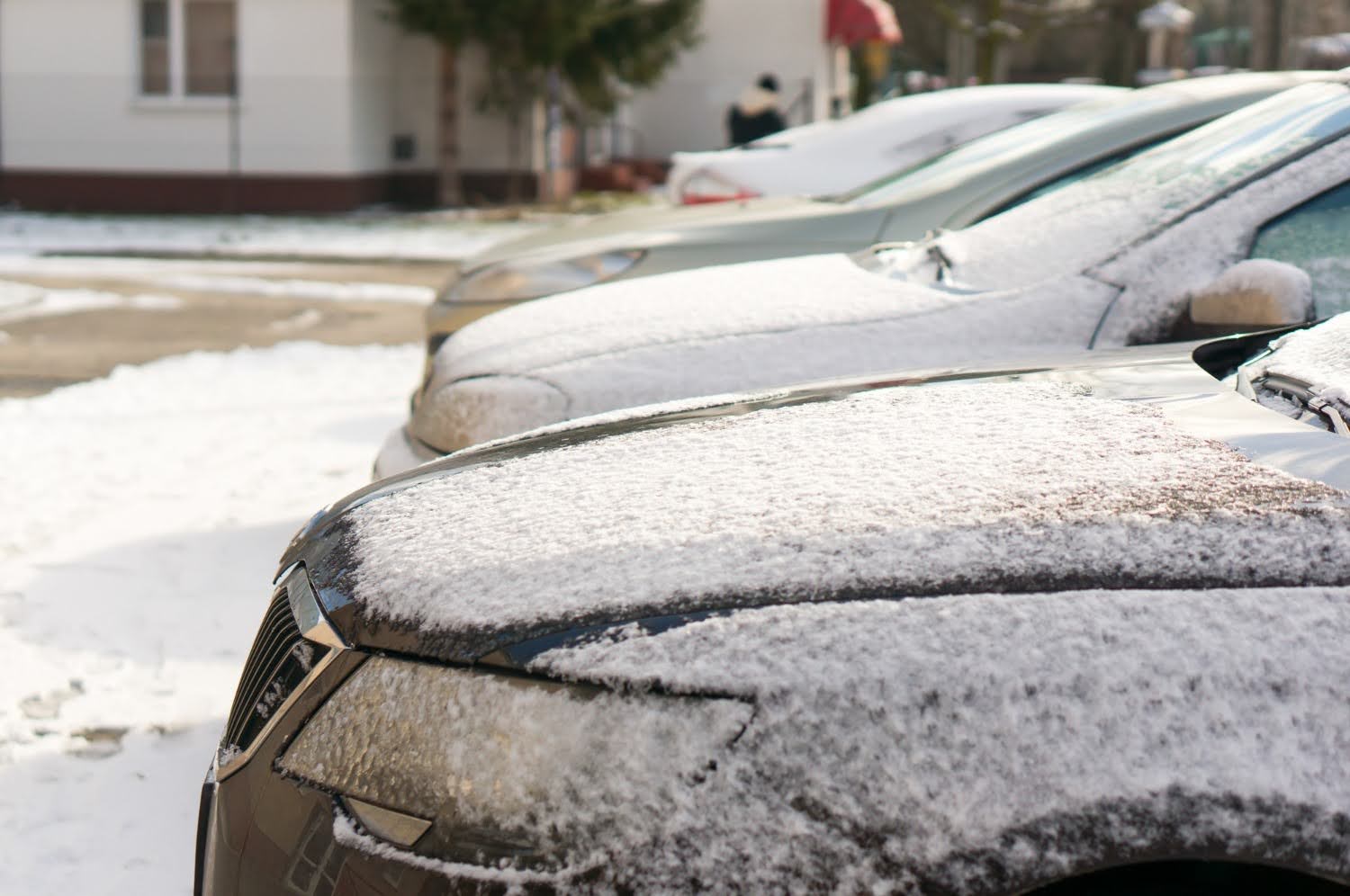
Stepping outside after a hailstorm to find your car covered in dents is not a great start to the day. The damage looks bad, the excess feels like an annoyance, and it is tempting to either panic or just put it off until next week.
Neither is the right move. What you do in the first 48 hours after a hailstorm actually shapes how smoothly the rest of the process goes, from the insurance claim through to how good the finished repair looks.
Move Your Car to Safety First
If your car is still exposed and more weather is forecast, getting it under cover is the first priority. A garage, carport, or covered parking structure protects it from further damage while you sort out the next steps.
If the car is not driveable, this is not something to force. Many repairers offer free towing specifically for this situation, which avoids the risk of causing additional damage by driving a vehicle that should not be on the road.
Document Everything Before You Do Anything Else
Photos are your best evidence, and they are worth taking properly rather than rushing through a few quick shots. Capture every panel from multiple angles, including wide shots of the whole car and close-ups of individual dents.
The roof and bonnet are particularly easy to underdocument, since hail damage there is not always obvious without good lighting. A thorough photo record now saves back-and-forth with your insurer later, and gives your repairer a clear starting point before they even see the car in person.
Check What Your Insurance Actually Covers
Hail is classified as a weather event, which means it generally falls under comprehensive car insurance rather than third-party or basic policies. If you are not certain what cover you hold, checking your policy documents or calling your insurer before lodging anything saves confusion later.
It is also worth checking your excess amount against the likely repair cost. If the damage looks relatively minor, paying privately might work out cheaper than lodging a claim, depending on how your excess compares to the quote you receive.
Resist the Urge to DIY It
Hair dryers, dry ice kits, and suction-cup dent pullers sold online promise a quick fix, but they carry real risk. These methods can crack paint or stretch metal permanently, which can make a straightforward paintless repair impossible once it has been attempted.
If a panel has already been damaged by a DIY attempt, a repairer may have no choice but to move to full panel beating and repainting, turning what could have been a fast, low-cost fix into a longer, more expensive one.
Understanding the Scale of Damage After a Major Storm
Large hail events do not just affect individual cars. When a serious storm rolls through, insurers and repairers often end up processing thousands of damaged vehicles at once, which affects how quickly any individual claim moves.
A piece oninsurers flooded with hail claims covers exactly this kind of situation, describing how a single severe hailstorm generated thousands of claims in one region, the majority for vehicle damage. Booking your own assessment early, rather than waiting, puts you ahead of the queue rather than behind it once a large-scale event hits your area.
Book a Professional Inspection Quickly
Once your car is documented and you understand your insurance position, getting a proper inspection booked is the next real step. A trained eye can spot damage that is easy to miss, particularly on the roof, and can tell you upfront whether paintless dent repair will work or whether panel beating and repainting is needed instead.
If you're in Melbourne, you canget expert hail damage repairs today with Autobody Prestige rather than letting damage sit and affect your car's resale value or complicate a later claim. They're one Melbourne repairer offering both paintless dent repair and traditional panel beating under one roof, along with free vehicle pickup and full insurance claim handling on the customer's behalf.
What Happens After You Book
A proper inspection typically confirms which panels need paintless repair, which need traditional panel beating, and whether any roof damage requires closer attention. On newer vehicles, this is also when a repairer should flag whether panels are aluminium rather than steel, and whether any driver assistance sensors near the roofline will need recalibration once the repair is finished.
From there, a detailed quote should be ready to submit to your insurer, and a good repairer will handle much of that communication directly rather than leaving you to manage it alone.
Conclusion
Hail damage is rarely as urgent as an accident, but the first 48 hours still matter more than they might seem to. Getting your car under cover, documenting the damage properly, understanding your insurance position, and avoiding DIY fixes all set up a smoother path toward a proper repair.
Booking an inspection early, rather than putting it off, tends to make the whole process faster and less stressful, whether your area was affected by a small local storm or a major regional hail event.
Frequently Asked Questions
- How soon after a hailstorm should I document the damage? As soon as it is safe to do so, ideally the same day. Lighting conditions and weather can change quickly, and having thorough photos from the outset gives you the strongest starting point for both insurance and repair purposes.
- Will filing a hail damage claim increase my insurance premium? In most cases, no, since hail is a weather event rather than a driver-at-fault incident, so it typically does not affect a no-claim bonus. This can vary by insurer, so it is worth confirming directly with your provider.
- How do I know if my car needs paintless dent repair or full panel beating? This depends on whether the paint surface is intact. A professional inspection is the most reliable way to determine which method applies to each panel, since some damage looks worse than it is and vice versa.
- Is there a time limit for lodging a hail damage insurance claim? Most insurers expect a claim within a reasonable timeframe after the event, often around 30 days, though this varies by policy. Booking an inspection and lodging a claim promptly avoids complications from delayed reporting.