Get all your news in one place.
100’s of premium titles.
One app.
Start reading
Kiplinger
Kiplinger
Business
Paige Cerulli

What to Check on Your Car Before a Winter Storm

(Image credit: Getty Images)

A major winter storm — named Winter Storm Fern — is forecast to sweep across much of the country this weekend, bringing a dangerous mix of heavy snow, ice and frigid temperatures from the South and Midwest into the Northeast.

Falling temperatures and storms like this can strain your vehicle’s battery, tires and fluids, potentially leading to breakdowns or costly repairs. Winter weather risks such as ice-covered roads and heavy snow also increase the chances of getting into an accident or needing to call for roadside assistance.
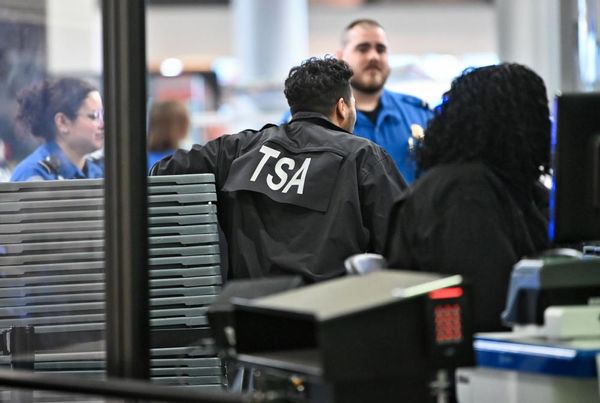
That’s why preparing your car for a winter storm can help reduce these risks, save you money and spare you needless headaches when harsh conditions arrive.

Do a winter maintenance check before the storm hits

(Image credit: Getty Images)

Before the storm arrives this weekend, make sure your car is ready for cold temperatures and hazardous road conditions. Start by checking your battery to confirm it’s holding an adequate charge.

Many auto parts stores will test your battery for free in just a few minutes, and some will even come out to your car to do it. You can also look for warning signs at home, such as slow engine cranking, dim headlights or dashboard warning lights, which can indicate a failing battery. If the battery is weak or nearing the end of its life, replacing it now can help prevent a no-start situation when temperatures drop.

This is also a good time to check your vehicle’s fluids, including antifreeze, which protects your engine from freezing in very cold weather. Low or dirty fluids can increase the risk of overheating or mechanical problems during long or slow winter drives. Make sure you’re using a winter-grade windshield washer fluid as well, since summer blends can freeze and leave you without visibility when you need it most.

Check your tire pressure before the storm hits, since cold weather can cause pressure to drop and make it harder to control your vehicle on slick roads. Keeping your tires properly inflated can improve handling and reduce your risk of getting stuck. It’s also helpful to carry sand or cat litter in your trunk to provide traction if your tires are stuck in ice or snow. We’ll cover other must-have items for a winter emergency kit later in this story.

Need a new quote for car insurance? Use the tool below, powered by Bankrate, to explore and compare some of today's top car insurance offers:

Build a winter emergency car kit

Preparing your car for winter can help decrease the chance of an accident or breakdown, but if you do end up caught on the side of the road, having a winter emergency car kit can help keep you safe. Build a kit that includes essential items like :

  • Ice scraper
  • Snow brush
  • Small shovel
  • Jumper cables or car starter
  • Roadside flares or reflective safety triangles
  • Warm blankets
  • Flashlight
  • Snacks and water

Bonus tools, including sand or kitty litter for traction, a tow rope and an extra phone charger may also come in handy during emergencies.

Keep your gas tank at least half full throughout winter. Doing so can help prevent your fuel line from freezing and gives you a buffer if you’re stuck in traffic, forced to detour or need to keep the engine running to stay warm.

Simple daily habits that avoid costly problems

Some simple daily habits can increase your safety on the road during the winter, too:

  • Completely clear your vehicle: Take the time to clear all snow and ice from your car before driving. Doing so can help you avoid fines and can improve your visibility.
  • Slow down: Drive slowly when the roads are snowy or icy. Increase your following distance in winter conditions to reduce your risk of getting into a car accident.
  • Check the forecast: Regularly check weather forecasts before you travel. Stay flexible and be willing to adjust your travel plans to avoid driving in severe storms.

How winter prep can save you money and keep you safe

Winter breakdowns and towing fees can get expensive quickly. According to CarParts.com, towing services average about $129 per trip, but costs can range from roughly $85 to more than $450 depending on your vehicle, location and how far you need to be towed. Add in emergency repairs, missed work or hotel stays during major storms, and the financial impact can climb even higher.

Accidents are even more costly. A single winter crash can lead to thousands of dollars in vehicle repairs — or a total loss — not to mention potential medical bills and higher insurance deductibles. Taking steps to prepare your car before a storm reduces the chances you’ll face those kinds of unexpected expenses.

Preventive maintenance can also pay off over the long term. Keeping your vehicle in good working order helps extend its lifespan and may reduce how often you need to file insurance claims. Since claims can lead to higher premiums at renewal, avoiding even one winter-related incident could save you money well beyond this season.

Just as important, preparing your car for winter provides peace of mind. Knowing your vehicle is ready for harsh conditions can help you avoid stressful roadside situations and keep you and your passengers safer when travel becomes unavoidable.

Related Content

Sign up to read this article
Read news from 100’s of titles, curated specifically for you.
Already a member? Sign in here
Related Stories
Top stories on inkl right now
One subscription that gives you access to news from hundreds of sites
Already a member? Sign in here
Our Picks
Fourteen days free
Download the app
One app. One membership.
100+ trusted global sources.