
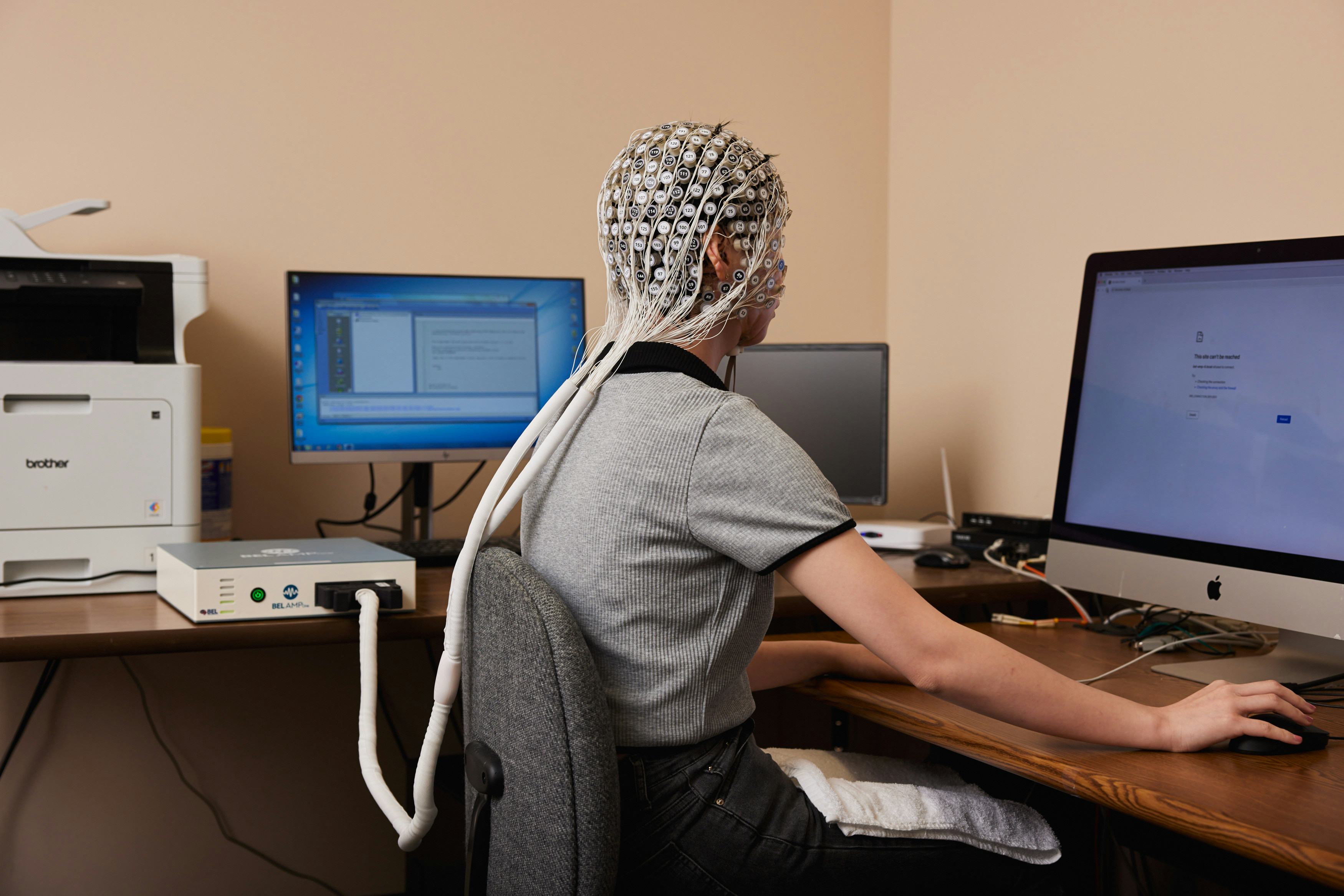
We spend roughly a third of our lives doing something that, for most of history, scientists treated as a kind of placeholder — a passive state between the real work of being awake. That assumption has aged about as well as the idea that the appendix does nothing.
The past decade of sleep science has produced one of the more quietly radical shifts in our understanding of the brain. Sleep isn't where nothing happens. It's where some of the most critical processes in human cognition happen — and only happen. What researchers are uncovering should reshape how anyone thinks about rest.

The Memory Question
The cleanest version of the argument goes like this: everything you experienced today that you'll still remember next week got there because you slept.
Memory consolidation — the process of moving newly acquired information into long-term memory — is sleep-dependent in ways that can't be replicated while awake. Research from Harvard Medical School, the Max Planck Institute, and dozens of other institutions has documented that different sleep stages handle different kinds of memory: slow-wave deep sleep for facts and events, REM for emotional and procedural learning.
The mechanism involves the hippocampus and prefrontal cortex reactivating the day's experiences during sleep — replaying and reinforcing the neural pathways that represent those memories. You're not just resting. You're filing.
The Brain's Overnight Cleaning Crew
The discovery of the glymphatic system is one of the more underappreciated findings in recent neuroscience — partly because it arrived without the fanfare it deserved.
The glymphatic system is a network of channels in the brain that functions like a lymphatic system, clearing metabolic waste products that accumulate during wakefulness. A landmark 2013 study published in Science found it operates nearly ten times more actively during sleep than during the day.
One of the waste products it clears is amyloid-beta, the protein associated with the plaques found in Alzheimer's disease. The implication — that chronic sleep deprivation might impair the brain's ability to clear neurotoxic waste — hasn't been fully proven in human causal studies, but it has become one of the more closely watched hypotheses in neurodegeneration research.
What Sleep Deprivation Actually Does to Your Thinking
Here's the uncomfortable part about being cognitively impaired by sleep loss: you probably don't know it's happening.
A notable study from the University of Pennsylvania tracked subjects restricted to six hours of sleep per night for two weeks. Their cognitive performance declined to the level of subjects kept awake for 24 consecutive hours. But most of the sleep-restricted subjects reported feeling only mildly tired.
This disconnect matters. The cost of cutting sleep to six hours isn't just "feeling groggy." It's operating at a functional impairment that most people don't perceive — and therefore don't correct for.
Architecture Matters More Than Hours
Not all sleep is equivalent. The structure of a full night matters in ways that simple total-hours accounting misses.
Sleep cycles run roughly 90 minutes and repeat through the night, with the proportion of deep sleep to REM shifting as the night progresses. Early cycles are heavier on slow-wave sleep; later cycles extend into longer REM phases. Cutting sleep short — even by an hour or two — disproportionately reduces that late-cycle REM, which research associates with emotional processing, creative thinking, and the integration of complex memories.
It's why an eight-hour night often feels qualitatively different from six. It's not just the quantity. It's which stages you're cutting.
The Practical Upshot
The research doesn't reduce to a simple prescription. But a few findings are consistent enough to be actionable. Timing matters: sleep aligned with your circadian rhythm produces better stage architecture than the same number of hours at the wrong time. Light exposure before sleep suppresses melatonin in ways that measurably affect how quickly you reach deeper stages. Caffeine's half-life means the afternoon cup interferes with sleep quality even when it doesn't visibly delay sleep onset.
The bigger point isn't any single habit. It's that the case for treating sleep as a structural priority — not a variable to trim when schedules tighten — has never been more grounded in evidence. The brain's overnight operations aren't optional maintenance. They're the maintenance. Skip enough of them, and things stop working the way they should.


