Get all your news in one place.
100’s of premium titles.
One app.
Start reading
Tom’s Guide
Tom’s Guide
Technology
Eve Davies

What is your sleep data trying to tell you? Expert shares 3 key sleep metrics you should pay attention to

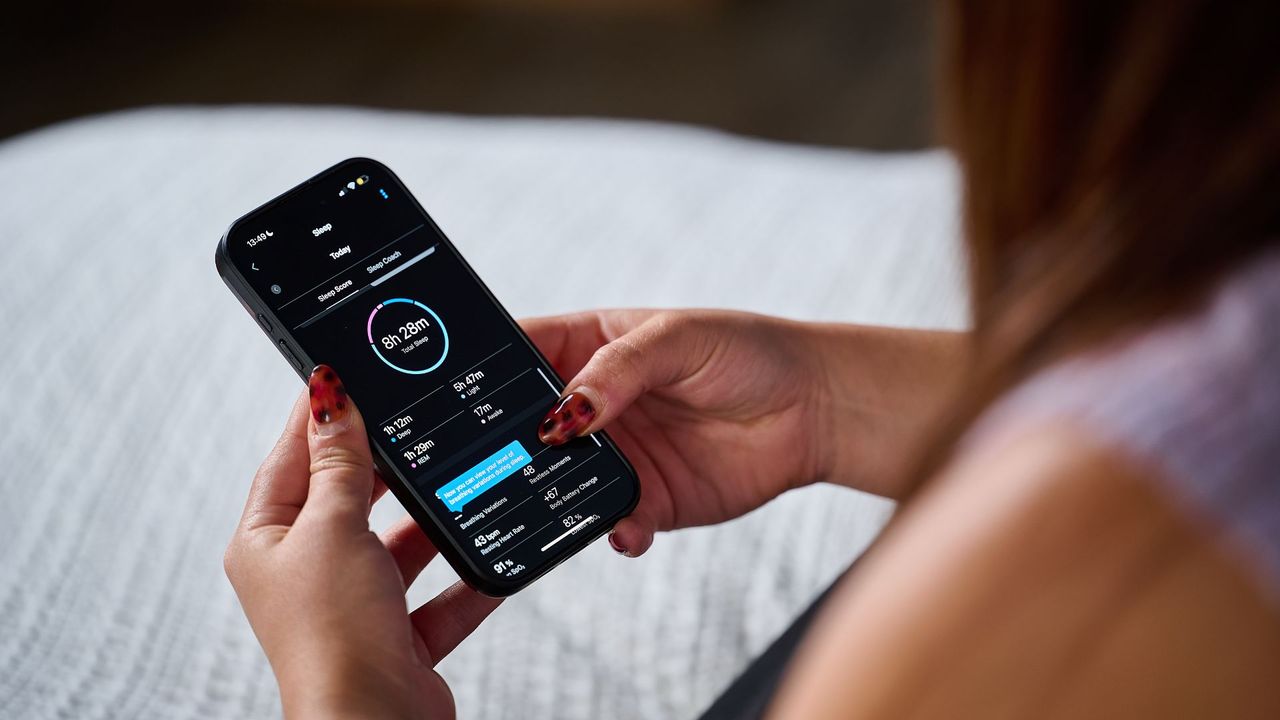
Our sleep tech tester testing the Garmin Index Sleep Monitor .

You may track your sleep with one of the best sleep trackers on the market. But unless you understand the nightly data it gives you, you're not going to be able to take action towards improving your sleep health.

Want to track your sleep without the wearables?
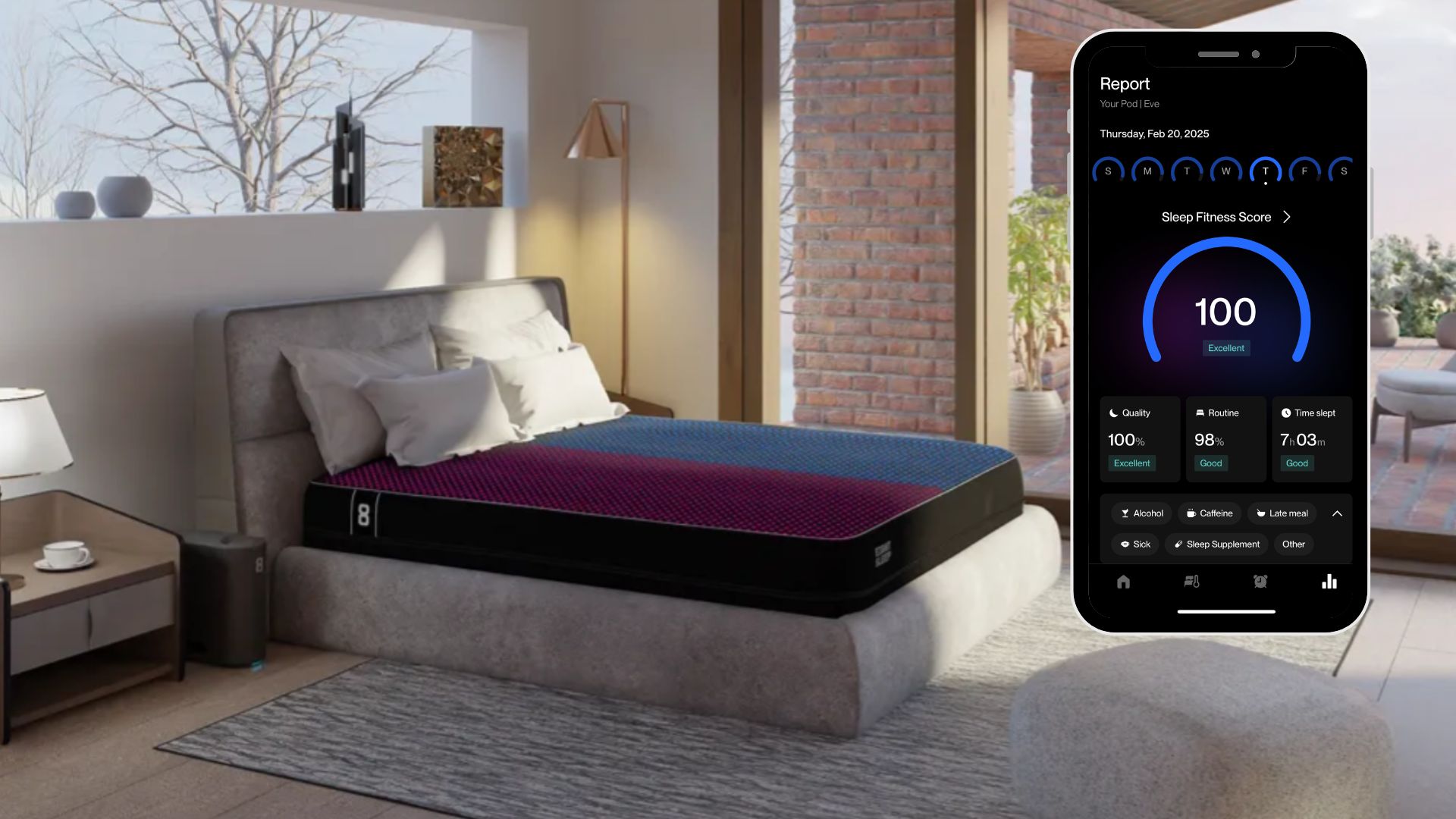
(Image credit: Eight Sleep )

The best smart beds and mattresses are lined with sensors that keep tabs on your sleep metrics without you having to wear any watch, ring, headband or armband

One in four people own a smartwatch, according to 2025 research by SQ Magazine. As popularity grows these trackers are getting more advanced, coming closer to proper sleep lab-grade tracking with every update.

That means Apple Watch, Garmin or Oura Ring wearers are waking up every morning to a sleep report comprising several statistics and charts, which can be overwhelming and downright meaningless unless you delve into the sleep tracking dictionary.

To help you understand these metrics and, crucially, how you can use them to actually improve your sleep quality and health, I called upon those in the know.

Ahead, I'll be sharing advice from Tim Rosa, CEO of Somnee, a brain-tracking sleep headband company, and Dr. Michael Gradisar, Head of Sleep Science at tracking app, Sleep Cycle, on which sleep metrics you should really pay attention to.

3 sleep metrics experts recommend paying attention to

1. Sleep stages

"One main area I would recommend people pay attention to when it comes to sleep metrics is amount of time spent in each sleep stage," says Rosa.

A restorative night's sleep is one where you spend ample time in each essential sleep stage, forming complete 90-minute sleep cycles.

The main sleep stages are REM sleep and deep sleep. "Quality REM sleep is directly related to your mental sharpness, alertness, memory, and recovery the next day," explains Rosa.

"While quality deep sleep is tied to your physical recovery and performance readiness."

Ideally, you should spend 1.5 to 2.5 hours in REM sleep and 1 to 2 hours in deep sleep per night.

Your sleep tracker can tell you whether you're hitting these guidelines and, if not, you can identify what lifestyle and habitual changes you need to make for better sleep.

(Image credit: Future)

For example, "One of the most powerful modulators of sleep is alcohol, in that consumption of alcohol reduces our amount of REM sleep within hours," Dr. Gradisar explains.

"Thus, for people who track their sleep, one of the clearest behaviors they can modify for better sleep is to reduce their alcohol consumption."

"Sleep trackers can provide insight into people’s immediate sleep benefits that result from a single change in behavior," the doctor adds.

2. Nighttime awakenings

You may fall asleep fast in the evening, but repeatedly waking up during the night can leave you feeling groggy the next morning.

Many people, including our sleep editor Nicola Appleton, find themselves waking up at 3am and struggling to fall back asleep. This fragments sleep cycles, causing fatigue the following day. Yet sleep tracking offers a solution.

(Image credit: Getty Images)

"Nighttime wake-ups are also a useful metric to monitor," says Rosa. By reviewing your sleep data, you can notice patterns, such as awakenings consistently occurring at the same time or after specific activities.

This helps link awakenings to potential triggers, such as late-night snacks, caffeine consumption, stress levels, or screen time.

"People might not even be fully aware that they’re waking up frequently throughout the night, so sleep tracking helps users better understand their patterns so they can work towards improvement," the Somnee CEO adds, be that cutting out caffeine and sugar earlier in the day or implementing calming (screen-free) activities before bedtime.

3. Time in bed vs time asleep

Sleep trackers have become so clever they can now differentiate between you laying in bed relaxing and you sleeping, and your actual sleep time is what informs your sleep score.

"Sleep duration (i.e. time in bed) vs. actual time asleep are very different metrics, and both are important," explains Rosa. "Time in bed is important for routine, while time asleep in specific sleep phases is important for your recovery."

This technology means you can't get away with scrolling in bed for hours when you should be sleeping — your sleep tracker will pull you up on it. Therefore, using a sleep tracker (as well as these hidden iPhone features) can help you reduce bedtime doom scrolling so you get the sleep your body needs.

(Image credit: Getty Images)

What are the benefits of sleep tracking?

I've closely tracked my sleep for well over a year, and the main benefit I get from it is accountability.

Knowing there's a device keeping track of the time I go to bed, the time I wake up, and how good I am at sticking to a consistent sleep schedule — which does wonders for your health, adding up to four years to your life, according to new research — I am more inclined to make healthy sleep choices.

As a marathoner runner, it also helps inform my training schedule. Understanding how well rested my body is, based off overnight HRV and Body Battery scores, I can strike a healthy balance between training and recovery.

All in all, since I've tracked my sleep consistently, I'm better at maintaining a nighttime routine, ensuring I get enough sleep, and wake up with energy to power through each day.

Sign up to read this article
Read news from 100’s of titles, curated specifically for you.
Already a member? Sign in here
Related Stories
Top stories on inkl right now
Our Picks
Fourteen days free
Download the app
One app. One membership.
100+ trusted global sources.